Us Strikes Iranian Site — American forces struck an Iranian military ground control station near the strategic port city of Bandar Abbas on Wednesday, targeting a facility that US Central Command said was preparing to launch a fifth one-way attack drone toward the Strait of Hormuz. The strike came after Centcom confirmed its forces had already shot down four Iranian drones in the same area, in what the command described as "measured, purely defensive" actions intended to preserve a fragile ceasefire between Washington and Tehran.
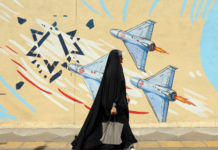
Iranian state media reported that explosions were heard to the east of Bandar Abbas but insisted the strikes caused neither damage nor casualties. Tehran, however, was unequivocal in its condemnation, calling the attacks a "grave violation of the ceasefire" and vowing that the government "will not leave any act of hostility unanswered." The Iranian Islamic Revolutionary Guard Corps (IRGC) added that Iran possesses the "legitimate and definite" right to retaliate against what it characterised as American ceasefire breaches.
The Bandar Abbas strike was not an isolated incident. Centcom also confirmed a separate round of self-defence strikes on southern Iran carried out on Monday, targeting Iranian missile sites and boats allegedly attempting to lay mines in the waterway. Those strikes, the command stated, were designed "to protect our troops from threats posed by Iranian forces." The IRGC separately claimed on Tuesday that it had downed a US drone and fired on a fighter jet and another drone it said had entered Iranian airspace.
Recommended Reading
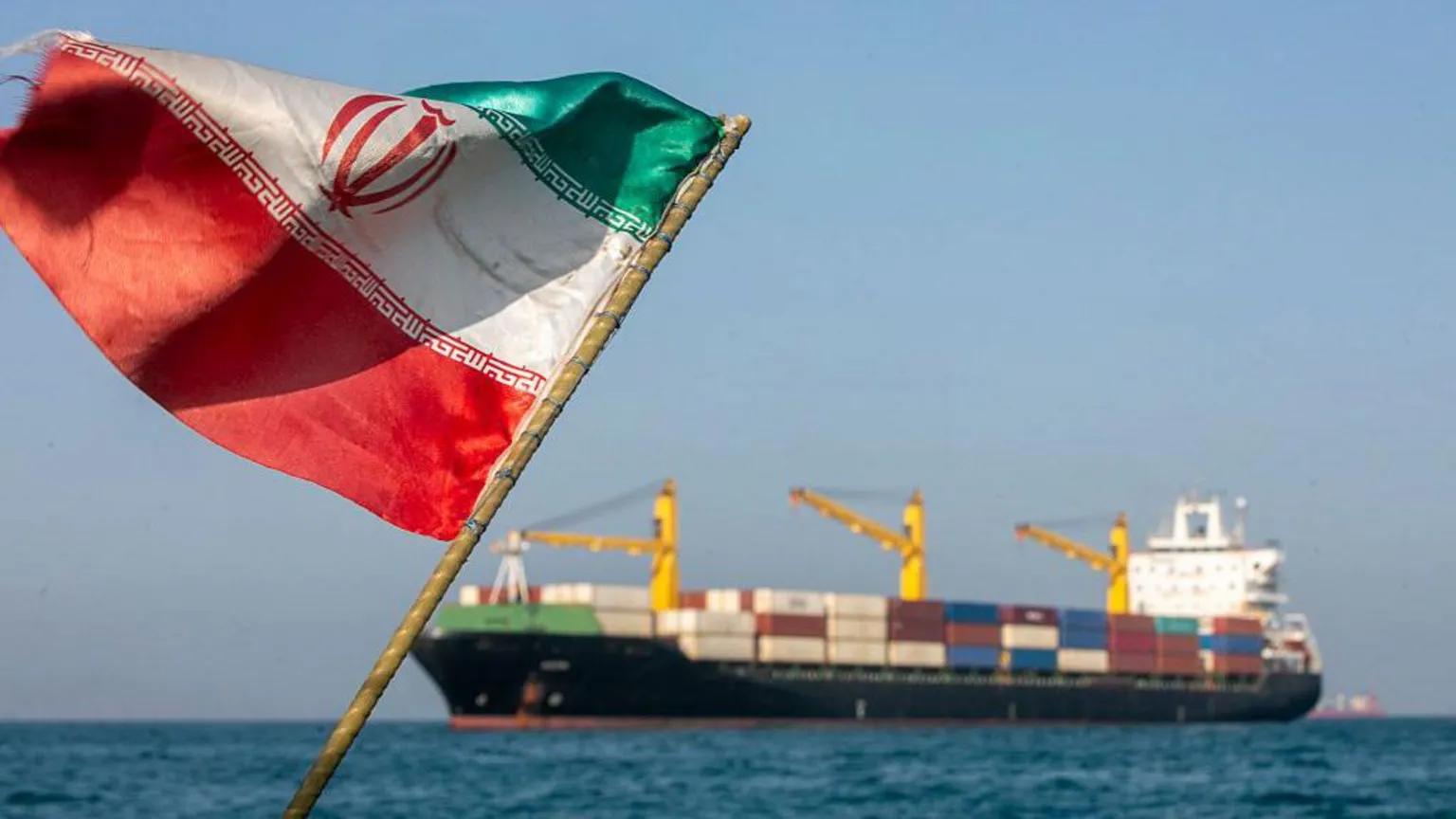
The escalating military exchanges are unfolding against the backdrop of a three-month conflict that has severely disrupted commercial traffic through the Strait of Hormuz, one of the world’s most critical energy chokepoints, driving up global oil prices. Israel launched its war alongside the United States on 28 February, and the conflict has since drawn in Iranian-backed Hezbollah forces in Lebanon, compounding the regional crisis.
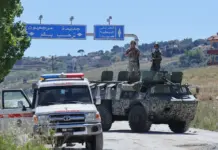
In Lebanon, the situation deteriorated sharply as the Israeli military issued sweeping forced displacement orders covering the entire population of southern Lebanon, directing civilians to relocate north of the Zahrani River — a boundary sitting roughly 40 kilometres from Israel’s northern border. All territory south of that line has been formally designated a combat zone. The order represents one of the most expansive displacement directives of the conflict and signals an intensification of Israeli ground operations in the south.
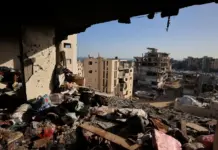
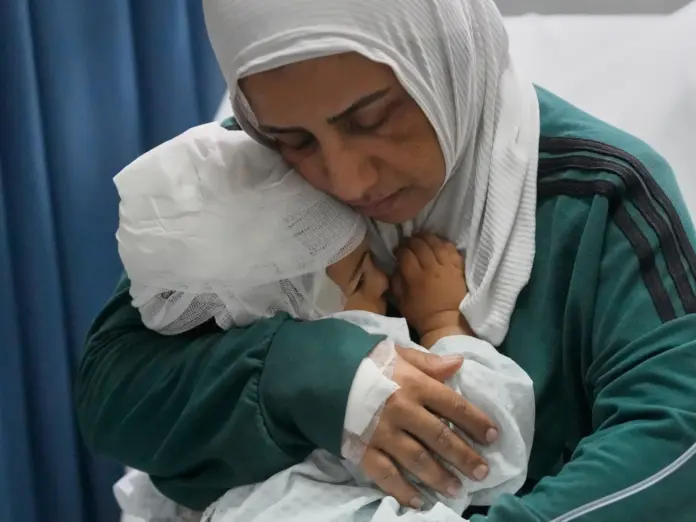
The human toll in Lebanon has been severe. The Lebanese Health Ministry reports that Israeli attacks have killed 3,269 people and wounded a further 9,840 since 2 March. The mass displacement order threatens to dramatically worsen an already acute humanitarian emergency, pushing hundreds of thousands of civilians into an uncertain exodus with limited infrastructure to absorb them further north.
In Washington, President Donald Trump offered a contradictory picture of diplomatic progress during a cabinet meeting on Wednesday. Over the weekend, Trump had declared that a peace deal with Iran had been "largely negotiated," but by mid-week his tone had shifted markedly. "We are not satisfied," he told cabinet members, adding that Iran is "negotiating on fumes." Trump also threatened to resume a large-scale bombing campaign if Tehran fails to agree to his terms, and separately warned he would "blow up" Oman — a country that has served as a back-channel mediator — if talks collapsed entirely.
Us Strikes Iranian Site: Regional Implications
Trump also used the cabinet session to press Gulf nations to join the Abraham Accords, the US-brokered normalisation framework between Israel and Arab states, and stated that his war strategy would not be shaped by the political calendar ahead of November’s US midterm elections.
The dual crises — a combustible military standoff with Iran over the Strait of Hormuz and an expanding ground war in Lebanon — are testing the limits of American diplomatic leverage in the Middle East. Centcom’s insistence that its strikes remain "defensive" has done little to arrest the cycle of action and counter-threat, while Israel’s sweeping evacuation orders suggest a major offensive in southern Lebanon may be imminent. With ceasefire talks stalling and civilian casualties mounting, the window for a negotiated de-escalation appears to be narrowing rapidly.