Ukraine Strikes Crimea — Ukrainian strikes killed at least four people across Russian-occupied Crimea on Wednesday, while drones hit an oil terminal and a major naval installation near St Petersburg in one of the most geographically expansive single-day offensives of the war.
In Simferopol, the regional capital of Crimea, three people were killed and seven wounded when strikes hit non-residential facilities in what appears to be the first Ukrainian attack resulting in fatalities in that city. Separately, one person was killed and three others injured when a strike struck a commuter train travelling toward Kerch, the port city at the eastern tip of the peninsula. Russian-backed authorities in the occupied territory reported the casualties; Kyiv offered no comment on the accusations.
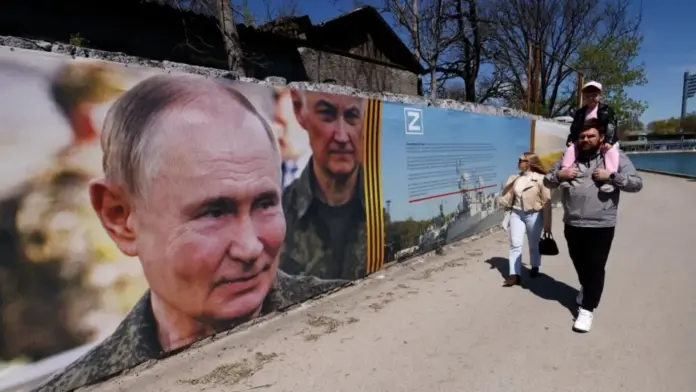
The strikes on civilian transport infrastructure mark the third consecutive day of such incidents in Russian-controlled areas, intensifying pressure on Moscow’s hold over the peninsula, which President Vladimir Putin ordered seized in 2014.
Recommended Reading
Hundreds of kilometres to the north, Ukrainian drones struck an oil terminal in the St Petersburg region and hit the naval base at Kronstadt, the principal outpost of Russia’s Baltic Fleet. President Volodymyr Zelensky confirmed both strikes, which were carried out just hours before the opening of the St Petersburg Economic Forum — once dubbed the "Russian Davos" and long considered a flagship event on the Kremlin’s political calendar. Before Russia’s full-scale invasion of Ukraine in February 2022, the forum regularly drew high-profile Western delegations, including heads of state. That era of engagement has long since ended.
The timing of the Kronstadt and oil terminal strikes was unmistakably symbolic. Hitting Russia’s Baltic Fleet headquarters and energy infrastructure on the eve of a prestige economic gathering underscores Ukraine’s expanding capacity to project force deep inside Russian territory. Over the four years since the invasion began, Ukraine has developed a rapidly growing domestic defence sector, enabling increasingly sophisticated long-range drone campaigns focused on energy facilities and military assets.
Ukraine regularly conducts strikes inside Russia, with oil refineries, fuel depots, and military logistics hubs among the most frequent targets. Wednesday’s operations extended that pattern to one of Russia’s most strategically and symbolically significant cities.
The day’s violence was not confined to Russian territory. In the Donetsk region of eastern Ukraine, still largely under Russian control, a drone strike hit a passenger bus, killing eight people. A Moscow-installed official reported the deaths. The attack added to a relentless toll on civilian life across the front lines and in occupied zones.
Ukraine Strikes Crimea: The Wider European Impact
The broader humanitarian picture remains dire. Earlier in the week, combined Russian missile and drone strikes across Ukraine on Monday night killed at least 22 people, the latest in a sustained campaign that has brought regular civilian casualties to Ukrainian cities since the full-scale invasion began. Moscow continues to target Ukrainian population centres with ballistic missiles, cruise missiles, and Shahed-type drones, while Kyiv presses its own long-range campaign against Russian military and economic infrastructure.
The simultaneous strikes on Crimea, St Petersburg, and the Donetsk transport corridor on a single day reflect a deliberate Ukrainian strategy of stretching Russian air defences and command attention across multiple theatres. Crimea, annexed by Russia more than a decade ago and used as a critical logistics and military hub since 2022, has faced an intensifying series of Ukrainian strikes over the past year. The attack on Simferopol, if confirmed as the first to produce fatalities in the city, would represent a notable deepening of that campaign.
With no ceasefire negotiations publicly on the table and both sides sustaining significant losses, Wednesday’s events signal that the conflict’s geographic scope — already spanning thousands of kilometres — continues to widen.