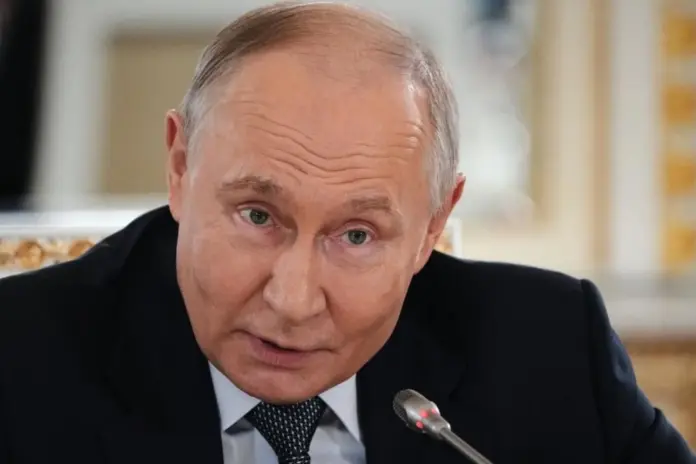
Zelensky Putin Direct Talks — Ukrainian President Volodymyr Zelensky issued a direct public challenge to Vladimir Putin on Thursday, publishing an open letter of more than 1,800 words calling for face-to-face negotiations and a full ceasefire for the duration of any talks. The letter, addressed to the Russian president, proposed Switzerland or Turkey as potential venues — countries that have previously hosted rounds of diplomacy between the two nations.
The Kremlin confirmed it had received the letter, but Putin’s response was swift and largely dismissive. Speaking at a major economic forum in St Petersburg, the Russian president ruled out a full ceasefire, even as he stated he remained "certainly prepared and willing to reach an agreement with Ukraine." The contradiction underscored the deep impasse that has defined the conflict since Russia launched its full-scale invasion in February 2022.
Putin also used the press conference to question whether Zelensky constitutes a legitimate representative of Ukraine — a line of argument Moscow has deployed repeatedly to undermine diplomatic engagement. He signalled that Russia’s territorial ambitions remain unchanged, indicating he still seeks full control over the Donbas region. Zelensky, in turn, addressed that ambition directly in his letter. "You will not capture it," he wrote, referring specifically to the Donetsk region.
Recommended Reading
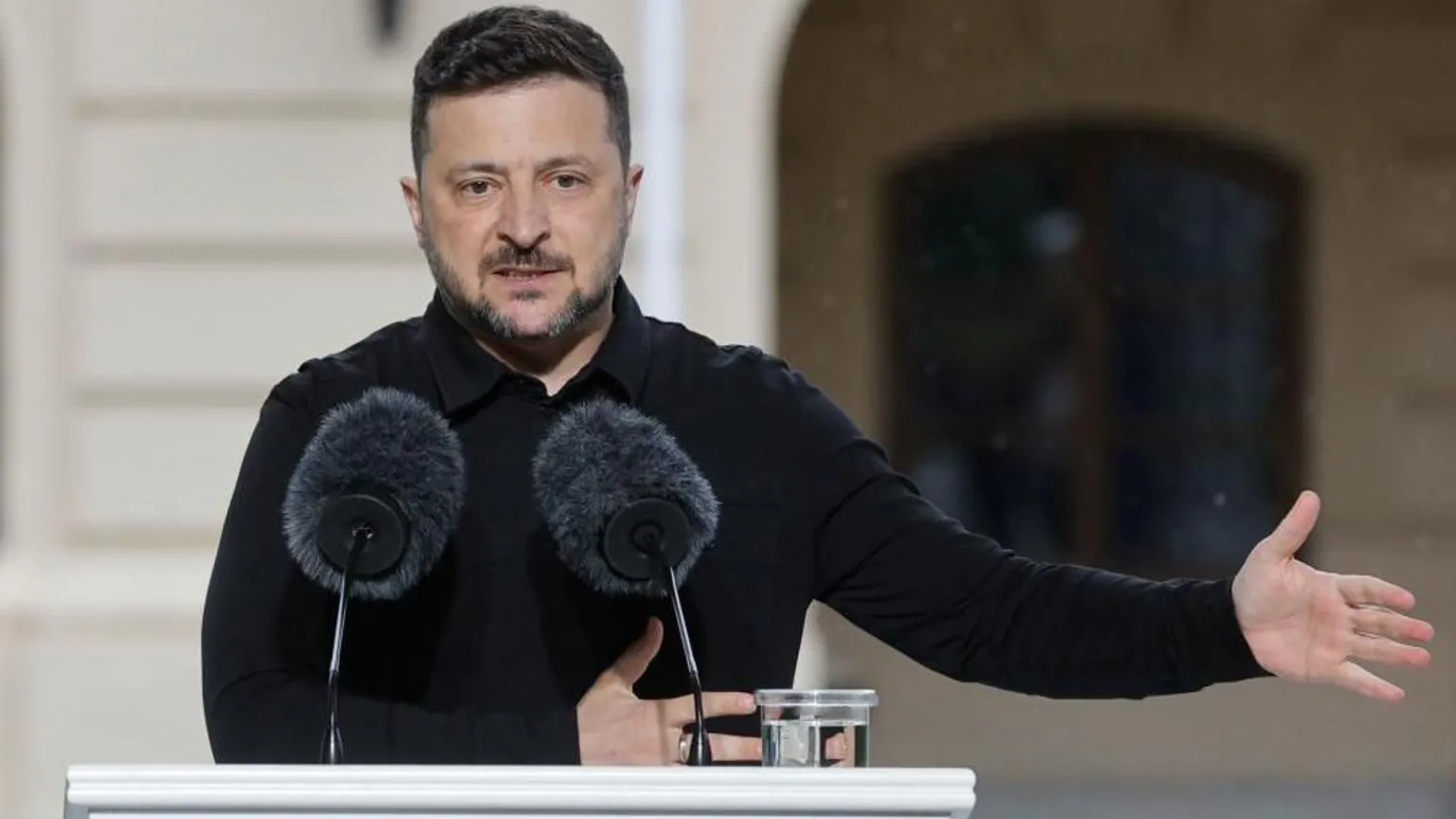
Zelensky also accused Putin of repeatedly postponing his own self-imposed deadlines for seizing Ukrainian territory, framing the letter as an attempt to force a moment of accountability. He expressed deep concern about the ongoing human cost of the war, warning of the continued loss of Ukrainian lives with no resolution in sight.
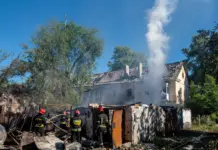
The diplomatic overture came against a backdrop of fresh violence. The day before Zelensky’s letter was published, Kyiv launched a drone attack on the outskirts of St Petersburg — the very city where Putin was hosting the economic forum. Separately, Russian-backed authorities in occupied Crimea blamed Ukraine for the deaths of four people in strikes on Simferopol. Ukraine confirmed it had targeted a fuel depot in the city.
Donald Trump weighed in from Washington, saying he thought it would be "great" if the two leaders met directly, and claiming the United States had been instrumental in bringing both sides closer to a resolution. When pressed on what compromises each party would need to make, Trump declined to elaborate, saying he would "rather not say."
Zelensky, meanwhile, noted that Washington’s attention appeared divided, observing that the US was "fully focused on the issue of Iran" — a pointed remark suggesting Ukraine fears being deprioritised on the international agenda.
Russian Foreign Minister Sergei Lavrov offered a sharper rebuke of American involvement, declaring that Washington’s position on Ukraine was "no different" from that of its European allies. In a striking formulation, Lavrov stated that "Biden’s war has become Trump’s war," signalling Moscow’s intent to hold the current US administration equally responsible for the conflict’s continuation.
Zelensky Putin Direct Talks: The Wider European Impact
Ceasefire negotiations have stalled in recent months despite earlier rounds of talks in Geneva, Abu Dhabi, and Istanbul. The proposal for a direct Zelensky-Putin summit represents the most high-profile diplomatic gesture in some time, though analysts note that the fundamental gaps between the two sides — particularly over territorial control and security guarantees — remain as wide as ever.
Putin’s rejection of a full ceasefire as a precondition for talks effectively blocks the framework Zelensky has proposed. Without a halt to hostilities, Kyiv has consistently argued that negotiations would amount to negotiating under fire — a position that gives Russia military leverage at the table. The exchange on Thursday illustrated, once again, that while both leaders have expressed a nominal willingness to talk, the conditions each demands make a genuine breakthrough elusive.
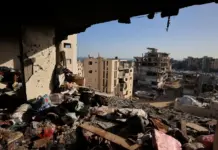
The war, now in its fourth year following Russia’s February 2022 invasion, has claimed tens of thousands of lives and displaced millions. Zelensky’s letter, whatever its immediate diplomatic impact, represents a calculated effort to place the burden of refusal squarely on Moscow — and to keep international pressure, particularly from Washington, focused on ending the conflict.