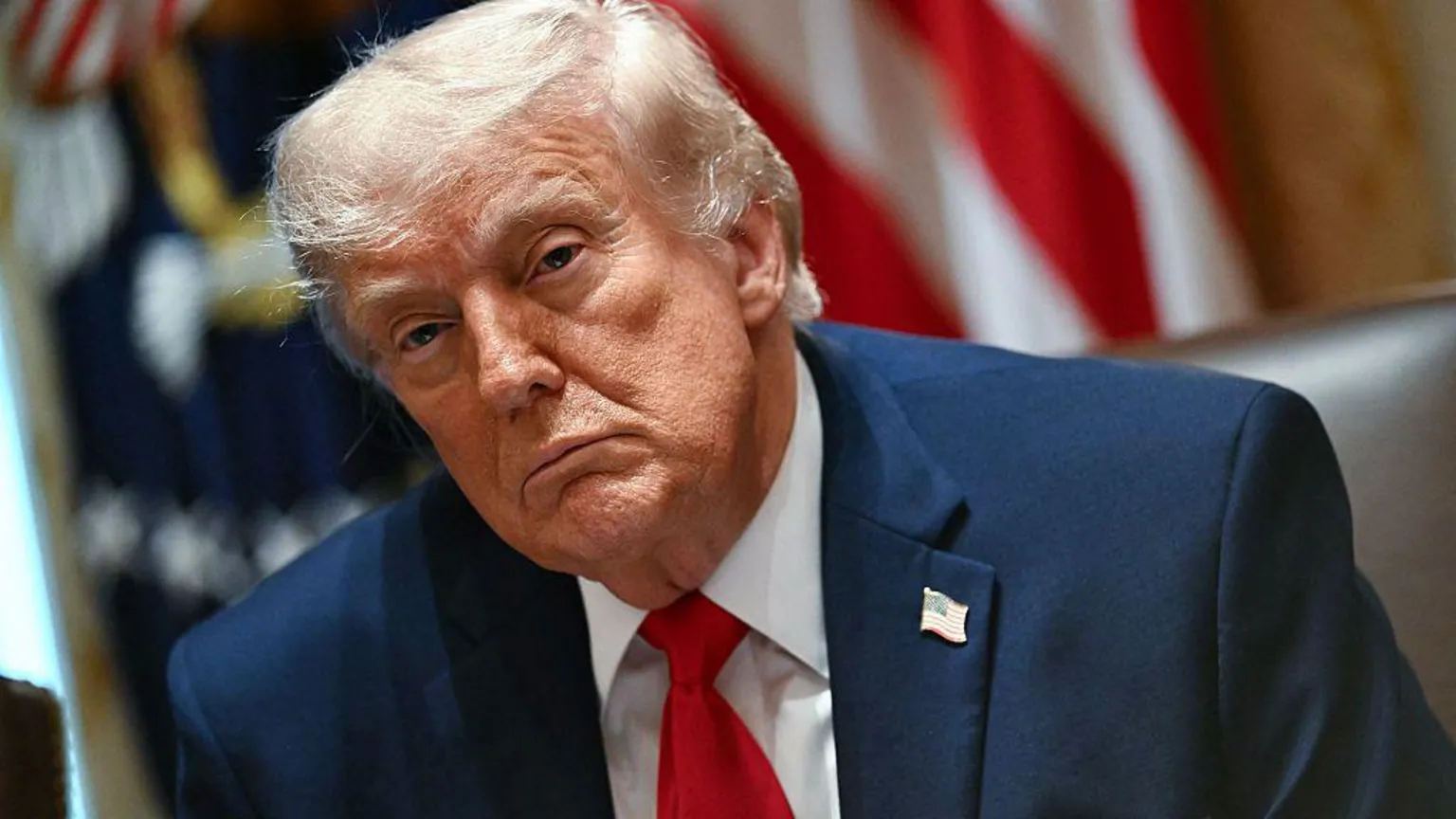
WASHINGTON / BEIRUT / SINGAPORE — President Donald Trump gathered senior advisers in the White House Situation Room on Friday to reach a final decision on a prospective agreement with Iran, as a ceasefire struck in April showed mounting signs of strain and Israeli military operations intensified on two separate fronts.
Iran Deal Ceasefire — The proposed deal, which US officials described as a memorandum of understanding pending approval from both leaderships, would extend the ceasefire — which came into effect on 8 April — by 60 days and initiate formal talks on the future of Iran’s nuclear programme. Trump laid out his conditions in stark terms: Tehran must commit to never developing a nuclear weapon, allow the United States to remove and destroy its enriched uranium stockpile, and clear mines from the Strait of Hormuz as quickly as possible. He also confirmed he was prepared to lift the US naval blockade of the waterway in return.
Iranian officials pushed back sharply. Foreign Ministry spokesman Esmaeil Baghaei acknowledged that an exchange of messages between the two sides was continuing but said no understanding had been finalised. He also characterised the US naval blockade as an illegal action and a violation of both the ceasefire and international freedom of navigation. Iran’s chief negotiator, Mohammad Bagher Ghalibaf, struck a harder line still, declaring that any agreement would not be judged on words alone and that Iran would take no action before the other side moved first. Tehran separately insisted it was not negotiating its nuclear programme, which it maintains is entirely peaceful.
Recommended Reading
US Vice-President JD Vance acknowledged that negotiators remained at odds over specific language, including the critical question of uranium enrichment. The International Atomic Energy Agency chief, Rafael Grossi, suggested Kazakhstan as a potential repository for Iran’s enriched uranium should a deal be reached — a proposal that underscored how far the two sides still have to travel.
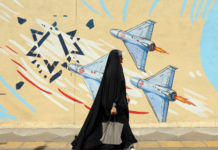
The diplomatic backdrop is shadowed by recent military escalation. The US and Israel launched strikes against Iran on 28 February, prompting Iranian retaliation against Israel and US-allied Gulf states. Iran subsequently moved to close the Strait of Hormuz, sending global oil prices sharply higher. On Thursday, Iran’s Islamic Revolutionary Guard Corps said it targeted a US air base in Kuwait, which it identified as the launch point for earlier strikes on Bandar Abbas, a strategic Iranian port city near the strait. US Central Command condemned the Kuwait attack as an egregious ceasefire violation. Both governments have accused each other of breaching the truce in recent days, and Iran’s Fars news agency cited informed sources as describing Trump’s public statements as a mixture of truth and falsehood.
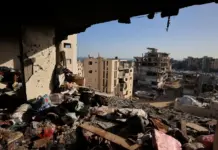
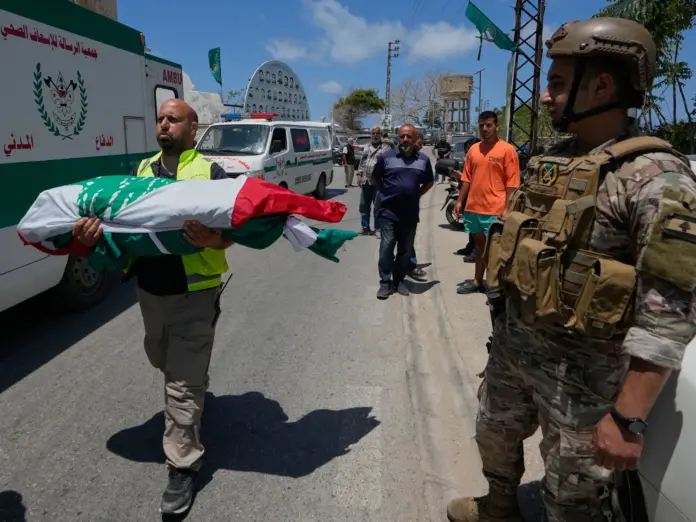
On a separate front, Israeli Prime Minister Benjamin Netanyahu announced that Israeli forces had pushed their ground operation in Lebanon beyond the Litani River, roughly 30 kilometres from the Lebanese-Israeli border. Air attack sirens were activated across several locations in northern Israel on Friday. UNICEF reported that 15 children were killed and 62 injured in a single week of attacks in Lebanon, a toll that drew renewed international condemnation. Netanyahu simultaneously ordered the expansion of Israel’s occupation of Gaza to cover 70 percent of Palestinian territory.
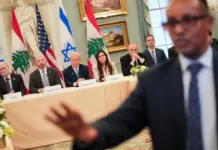
In Washington, the US Department of Defense confirmed that delegations from Lebanon and Israel held what it described as productive, military-to-military talks on Friday — a rare direct engagement that suggested some diplomatic channels remain open despite the fighting.
Iran Deal Ceasefire: Regional Implications
Scrutiny of Israeli conduct deepened on multiple fronts. France’s public prosecutor opened an investigation into the treatment of French nationals seized from a Gaza aid flotilla by Israeli forces, with allegations including sexual violence, beatings and humiliation. Separately, Pramila Patten, the UN special representative on sexual violence in conflict, said alleged abuses at Sde Teiman prison camp demonstrated a total lack of accountability. Ten soldiers had initially been arrested in connection with the rape of a Palestinian detainee at the facility; five were released within days and five placed under house arrest. Far-right Israeli National Security Minister Itamar Ben-Gvir joined fellow parliamentarians in demonstrating against the arrests.
In Singapore, the annual Shangri-La Dialogue security summit, hosted by the International Institute for Strategic Studies, provided a stage for US Defence Secretary Pete Hegseth to deliver pointed messages to allies and rivals alike. Hegseth declared that the era of the United States subsidising wealthy nations was over, signalling a continued shift in American defence burden-sharing expectations. He also said relations between Washington and Beijing were better than they had been in many years under Trump — a notably optimistic assessment given that Chinese Defence Minister Dong Jun declined to attend the summit for the second consecutive year.
Adding to the week’s diplomatic activity, the US State Department announced the dismantling of an Iranian procurement network led by Ali Majd Sepehr, which allegedly defrauded dozens of American technology companies of millions of dollars by posing as legitimate US businesses — a disclosure that illustrated the breadth of covert Iranian operations even as nuclear talks proceeded.