Us-Iran Nuclear Deal — Diplomatic efforts to formalise a nuclear understanding between Washington and Tehran hit a critical delay on Wednesday, as the White House confirmed the two governments had reached a memorandum of understanding on a 60-day ceasefire extension — yet President Donald Trump had not signed off on the agreement. Iran’s semi-official Tasnim news agency added further uncertainty, stating the text had not been finalised or confirmed on Tehran’s end.
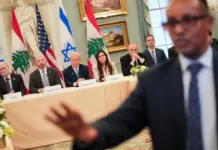
Senior White House officials described the negotiations as roughly 95 percent complete, with Vice President JD Vance identifying the central sticking point as language governing Iran’s nuclear enrichment programme. The 89-day standoff between the two nations has generated intense diplomatic activity, including Trump sharing a draft peace framework with Israel and other regional allies.
Tensions over economic pressure compounded the diplomatic picture. The US State Department announced sanctions against eight entities and eight vessels accused of transporting Iranian petroleum and petrochemical products, while the US Treasury Department targeted Hong Kong-based companies managing a multibillion-dollar Iranian oil sales network. Treasury Secretary Scott Bessent issued a pointed warning that Washington would ‘aggressively’ sanction Oman if it helped Iran establish a tolling system in the Strait of Hormuz — a threat Iran’s Foreign Ministry spokesperson Esmaeil Baghaei swiftly condemned. Iranian armed forces separately fired warning shots at four vessels operating near the strait.
Recommended Reading
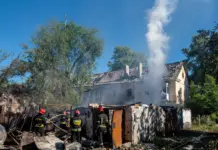
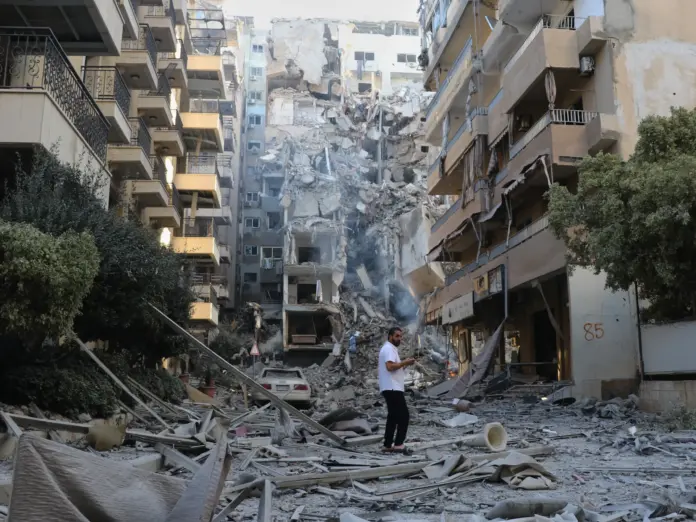
On the ground across the Middle East, violence showed no sign of abating. In Lebanon, Israeli strikes killed approximately 20 people on Thursday alone, among them a woman and two children in southern Beirut. Lebanese Prime Minister Nawaf Salam offered a stark rebuke, declaring that ‘nothing can justify’ Israel’s military campaign against ‘peaceful people.’ The Lebanese Health Ministry placed the total death toll from Israeli attacks since March 2 at 3,324 people.
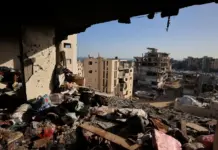
In Gaza, Israeli Prime Minister Benjamin Netanyahu ordered his forces to seize at least 70 percent control of the territory. An Israeli strike on Gaza City killed at least 10 people, including children. The directive signals a significant escalation in ground operations as international pressure on Israel intensifies.
That pressure took institutional form at the United Nations, where Secretary-General Antonio Guterres notified Israel that it had been added to a UN list of countries responsible for, or suspected of, using sexual violence in conflict. Israel’s UN ambassador and Foreign Ministry responded with sharp criticism of Guterres, claiming his report would ‘remain an indelible stain’ on his legacy. Guterres is scheduled to conclude his second and final term at the end of 2026.
The European Union also moved against Israeli conduct in the occupied West Bank, sanctioning four entities and three individuals characterised as extremist settlers over human rights abuses against Palestinians. Among those designated was the Nachala Settlement Movement and its director Daniella Weiss, whom the EU accused of encouraging and facilitating coercive acts that lead to the forced displacement of Palestinians.
Us-Iran Nuclear Deal: Regional Implications
The toll on journalists covering the conflict drew renewed attention after Josh Rushing, a senior correspondent for a prominent international broadcaster’s documentary unit, accepted an Emmy for a film documenting Israel’s systematic shootings of children in Gaza. Eleven of his colleagues have been killed by Israeli forces in Gaza, part of a broader toll of 270 journalists killed since October 7, 2023.
Amid the diplomatic turbulence, Iran’s national football team found itself caught in a bureaucratic bind ahead of the upcoming FIFA World Cup. Awaiting US visa approvals, the squad relocated its training base from Tucson, Arizona, to Tijuana, Mexico. Iran is scheduled to face New Zealand on June 15 in Los Angeles, Belgium on June 21, and Egypt on June 26 in Seattle — fixtures that now carry an unusual geopolitical dimension given the state of US-Iran relations.
The convergence of stalled diplomacy, active military operations, international sanctions, and institutional censure underscores the degree to which the Middle East remains at the centre of global instability. Whether the nuclear memorandum clears its final hurdles — and whether it translates into any reduction in violence on the ground — remains the defining question of the coming days.