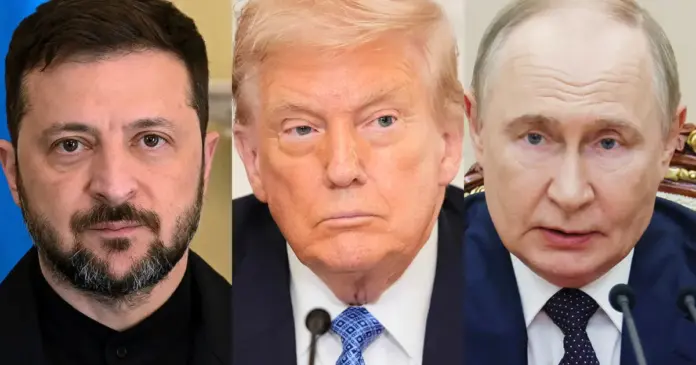
Washington — Donald Trump announced Friday that Russia and Ukraine have agreed to a three-day ceasefire running from Saturday, May 9, through Monday, May 11, marking the most significant pause in hostilities since the war began and raising cautious hopes for a broader peace process.
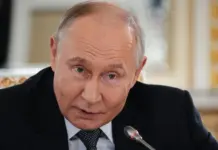
Russia-Ukraine Ceasefire — Trump made the announcement on his Truth Social platform, stating he had made the ceasefire request directly to both sides. He thanked Vladimir Putin and Volodymyr Zelenskyy for agreeing to the terms, which include a complete suspension of all kinetic military activity and a substantial prisoner exchange — 1,000 detainees released by each country.
"This is a very long, deadly, and hard-fought war," Trump wrote, characterising the conflict in stark terms before expressing optimism that the temporary halt could serve as a turning point. He said negotiations toward a permanent resolution are continuing and "getting closer to resolution every day."
Recommended Reading
The timing carries significant symbolic weight. May 9 is World War II Victory Day in Russia, the country’s most important national holiday, marking the Soviet Union’s defeat of Nazi Germany in 1945. Trump acknowledged Ukraine’s own historical connection to that conflict, describing the country as having been "a big part and factor" of World War II — a nod to the enormous human cost Ukraine bore during that era.
Russia had already announced a separate, unilateral two-day ceasefire to coincide with the Victory Day celebrations, while Ukraine had previously stated it offered a truce that Moscow ignored. The Trump-brokered agreement appears to supersede those earlier, uncoordinated gestures with a mutually acknowledged framework.
The prisoner exchange component — 2,000 detainees in total — would represent one of the largest single swaps of the war. Both sides have conducted smaller exchanges throughout the conflict, but a simultaneous release of this scale would carry both humanitarian and diplomatic significance, potentially building trust for more substantive negotiations.
Trump expressed hope that the ceasefire represents "the beginning of the end" of a war he has repeatedly described as unnecessary and ruinously costly. His administration has been pushing both Kyiv and Moscow toward the negotiating table since taking office, with mixed results. This announcement, if the ceasefire holds, would mark a concrete diplomatic achievement after months of stalled efforts.
Analysts will be watching closely to see whether the pause in fighting survives contact with battlefield realities. Previous ceasefires in the conflict have collapsed within hours, and both sides retain significant military incentives to press tactical advantages. The inclusion of a prisoner swap, however, creates a practical mechanism that gives both governments a stake in maintaining the truce at least through the exchange process.
Russia-Ukraine Ceasefire: The Wider European Impact
The announcement comes as the United States remains engaged on multiple international fronts. American forces conducted strikes near the Strait of Hormuz against Iranian-linked targets, underscoring the breadth of Washington’s military commitments even as it pursues diplomatic solutions in Eastern Europe.
For Ukraine, the ceasefire offers a brief respite from a grinding war of attrition that has exacted enormous casualties on both sides. For Russia, the timing aligned with Victory Day provides a domestic political framing that Putin can present to his population as a gesture of strength rather than concession. For Trump, a successful three-day pause — and especially a completed prisoner exchange — would represent tangible evidence that his direct engagement with both leaders is producing results where previous diplomatic efforts fell short.
Whether the ceasefire holds, and whether it translates into the longer-term peace process Trump envisions, remains to be seen. But the announcement itself marks a rare moment of apparent agreement between Kyiv and Moscow, brokered by a US president who has made ending the war a signature foreign policy priority.