Russia Battlefield Momentum — Russia’s military campaign in Ukraine has entered a period of measurable strategic decline, with the Institute for the Study of War documenting a net Russian territorial loss of 116 square kilometres during April — a stark reversal for a force that once appeared to be grinding steadily westward across eastern Ukraine.
The figures underscore a dramatic deceleration in Russian offensive capacity. In the first four months of 2026, Russian forces seized an average of just 2.9 square kilometres per day, compared with 9.76 square kilometres per day during the same period in 2025 — a collapse in momentum of at least two-thirds over the past 18 months. The shift reflects both the attrition of frontline Russian units and the increasing effectiveness of Ukrainian defensive operations.
Ukrainian Defence Minister Mykhailo Fedorov stated that 35,203 Russian soldiers were killed or seriously wounded in April alone, marking the fifth consecutive month in which Russia’s casualty rate exceeded its capacity to replenish losses through recruitment. A year ago, Russia was losing approximately 14,000 soldiers per month; that figure has more than doubled. Intelligence documents obtained by Ukrainian services and referenced by President Volodymyr Zelenskyy in March indicated that 62 percent of those casualties were fatalities rather than wounded.
Recommended Reading
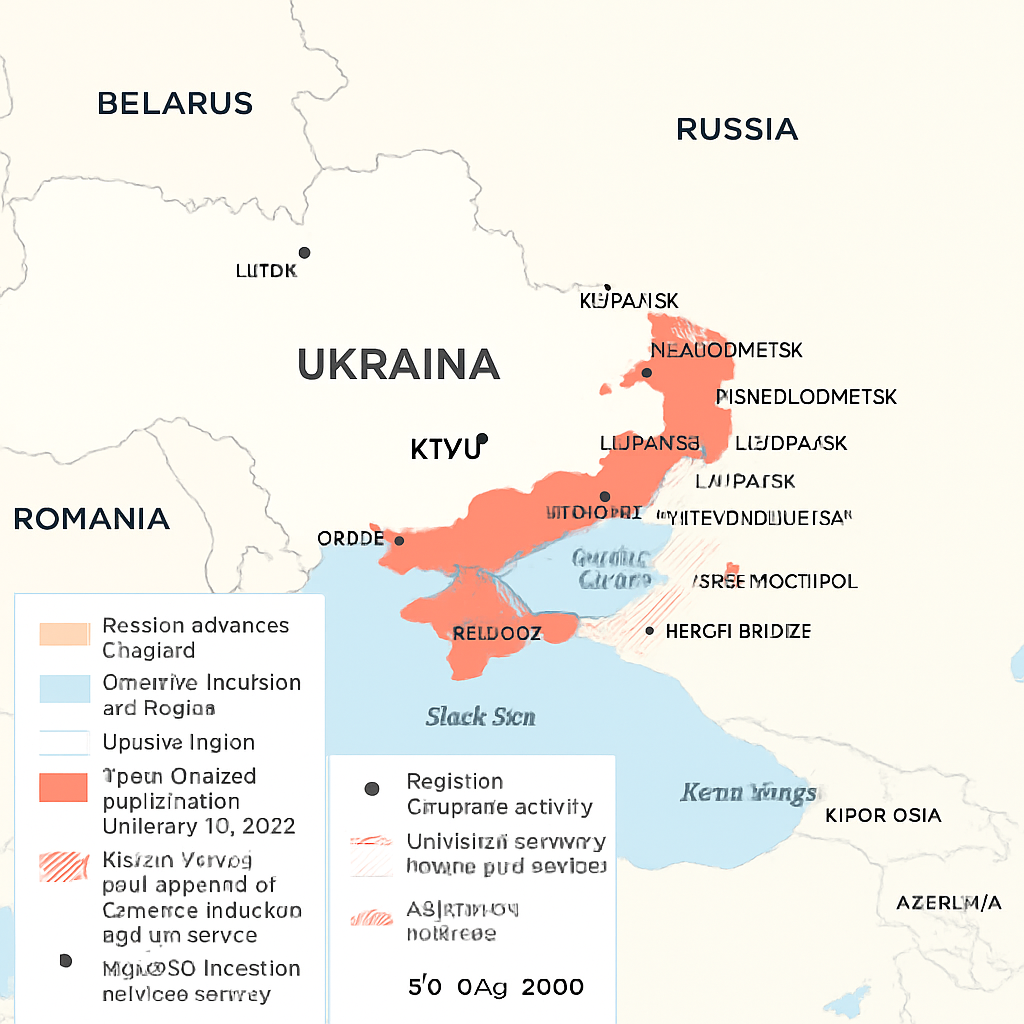
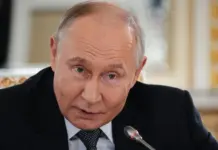
Despite these losses, President Vladimir Putin has maintained his strategic objective of capturing the remainder of the Donetsk region. The heavily fortified cities of Sloviansk, Kramatorsk, Konstiantynivka and Druzhkivka remain primary targets. Progress has been negligible: Russian forces have infiltrated just 10.14 percent of Kostiantynivka and advanced in only 0.7 percent of its eastern outskirts, according to ISW assessments.
Ukraine has simultaneously opened a new front in the conflict — a sustained, long-range campaign targeting Russia’s energy infrastructure and military aviation assets at distances previously considered beyond reach. The number of Ukrainian strikes conducted beyond 20 kilometres doubled in April compared with March and was four times higher than in February, signalling a deliberate strategic escalation.
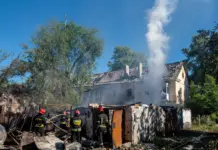
The tempo of deep strikes intensified sharply in early May. On May 1, Ukraine struck the Tuapse refinery on the Black Sea for the fourth time in two weeks and simultaneously hit the Perm refinery, located more than 1,000 kilometres inside Russian territory. The following day, surface drones raided two Russian oil tankers near the offloading port of Novorossiysk. On May 5, Ukrainian drones struck the Kirishinefteorgsintez facility in the Leningrad region, damaging three of its four distillation towers — a facility serving Russia’s northwest energy corridor.
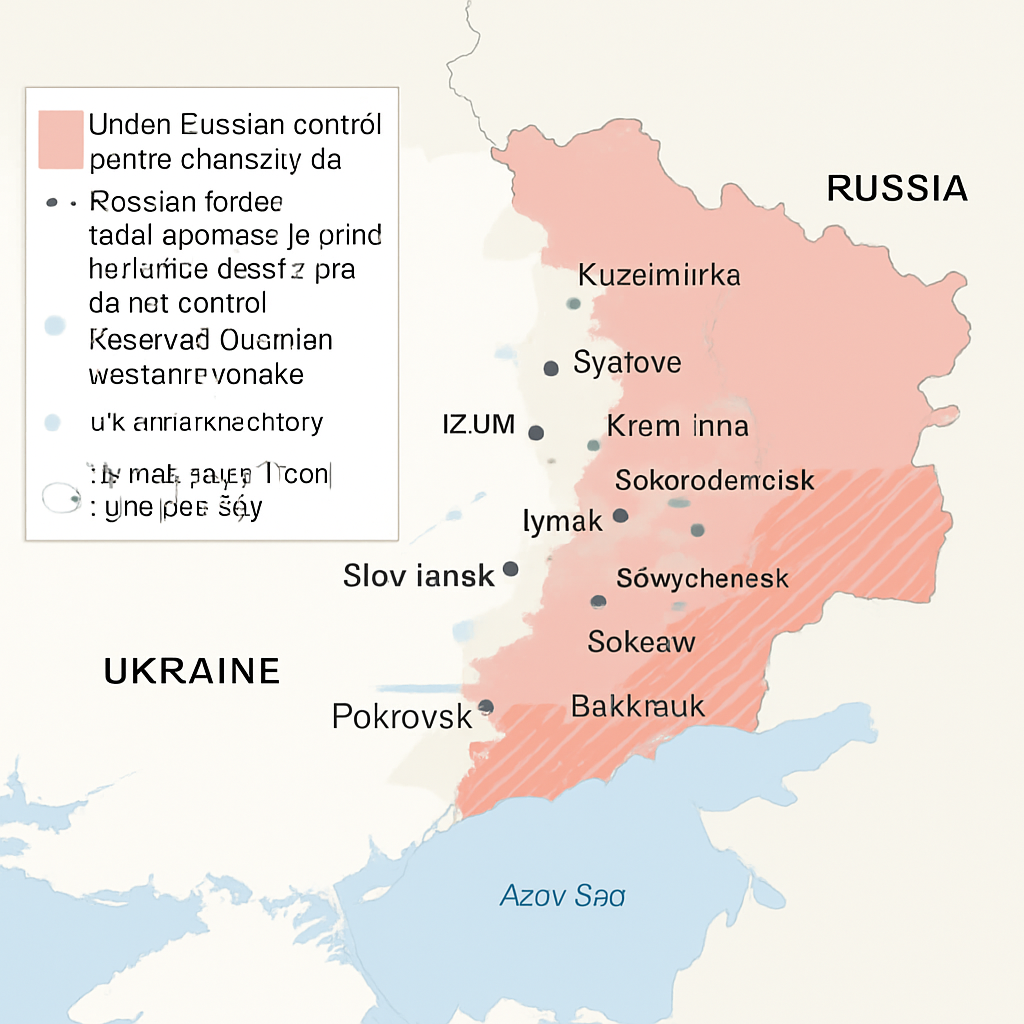
The same day, Flamingo drones travelled 1,500 kilometres to strike a manufacturer of navigation modules in Cheboksary. In perhaps the most symbolically significant strike of the campaign, Ukraine hit several Su-57 fighter jets and Su-34 bombers at Shagol Airfield in Chelyabinsk, more than 1,600 kilometres from the Ukrainian border — demonstrating an ability to threaten assets Russia had considered safely beyond the war’s reach.
Russia Battlefield Momentum: The Wider European Impact
Zelenskyy stated on May 1 that Ukraine’s campaign against Russian oil infrastructure had cost Moscow at least $7 billion since the start of the year. The economic picture for Russia is nonetheless complicated. Average refinery output fell to 4.69 million barrels per day — the lowest level since 2009 — yet Russia’s Ministry of Finance reported on May 6 that mineral extraction revenues doubled to $12 billion in April relative to March, buoyed by elevated global oil prices. Finance Minister Anton Siluanov projected May oil revenues would exceed April’s by $2.7 billion. Fedorov estimated Russia’s daily windfall from high oil prices at $150 million, potentially reaching $40 billion across 2026 — a financial cushion that continues to underwrite the war effort despite infrastructure damage.
On the diplomatic front, Zelenskyy extended an invitation to Slovak Prime Minister Robert Fico to visit Kyiv on May 2, a gesture aimed at managing tensions within Central Europe over the conflict. In Hungary, Peter Magyar — successor to former Prime Minister Viktor Orbán — returned $82 million in cash and valuables to Ukraine’s Oschadbank that had been seized in March, a move signalling a reorientation of Budapest’s posture toward Kyiv. A poll by the European Council on Foreign Relations found, however, that 54 percent of Hungarians remain opposed to Ukraine’s accession to the European Union, reflecting the depth of public ambivalence that any new Hungarian government will need to navigate.
The convergence of battlefield stagnation, deepening Russian casualties, and Ukraine’s expanding strike capability presents the clearest picture yet of a war in which Russia’s initial advantages of mass and momentum have been substantially eroded — even as the economic and diplomatic dimensions of the conflict remain deeply unresolved.