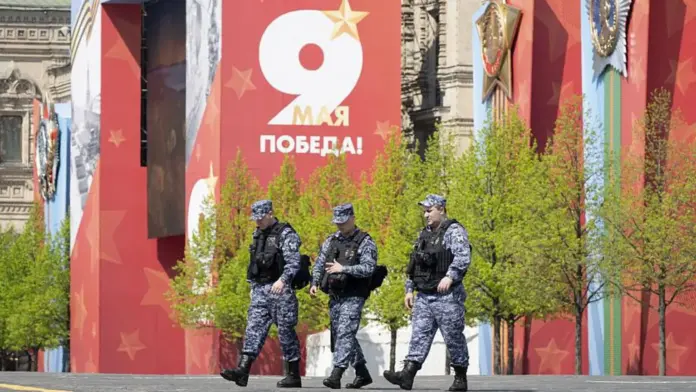
Victory Day Parade Russia — For the first time in nearly two decades, Red Square will host a Victory Day parade without tanks, ballistic missiles, or heavy military hardware. The scaled-back ceremony on May 9th marks a striking departure from the muscular displays of military power that have defined the annual commemoration under President Vladimir Putin — and underscores the mounting pressures of a war that has now dragged on for more than four years.
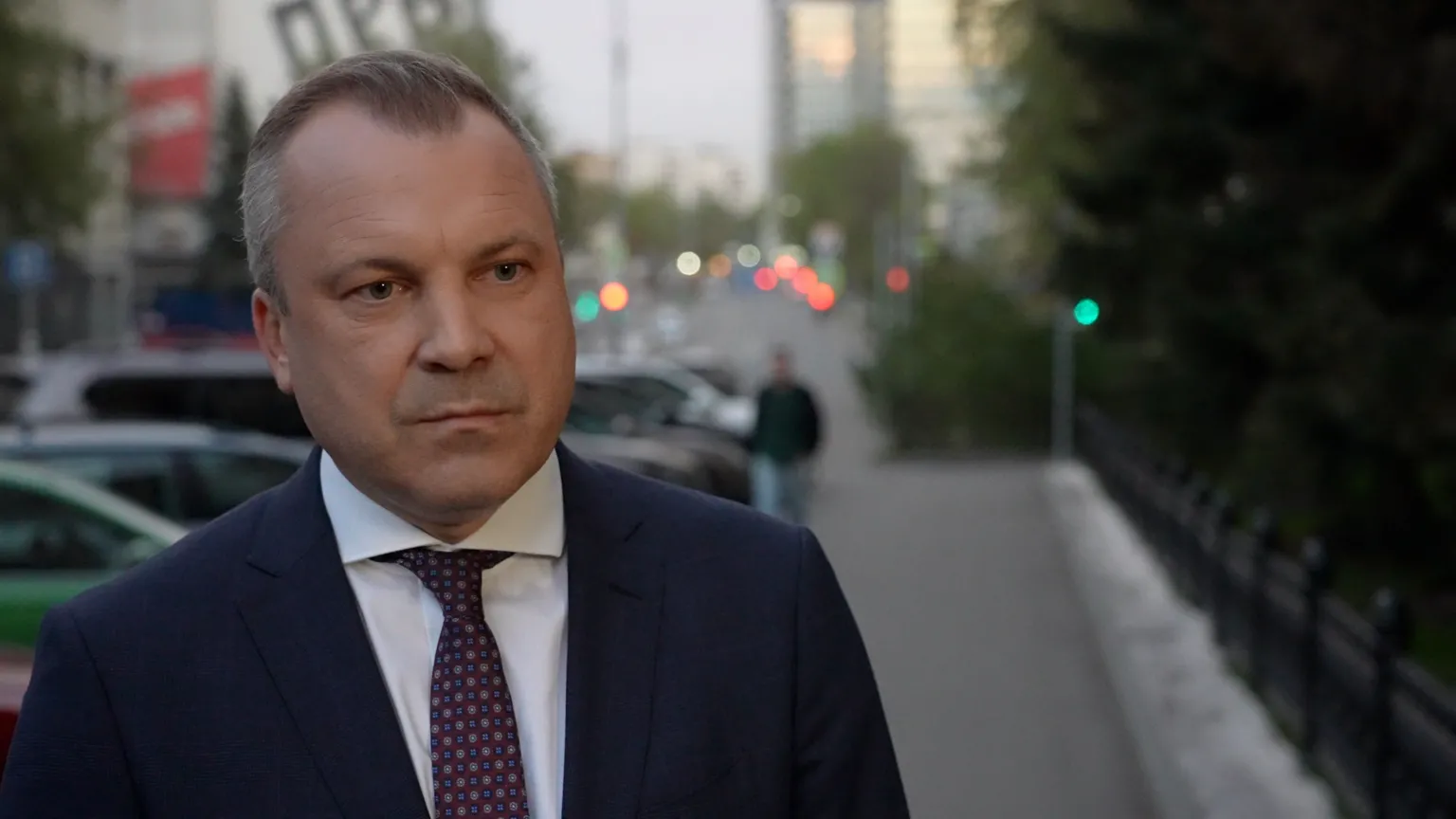
Russian MP Yevgeny Popov offered a candid explanation: tanks are needed on the battlefield, not on cobblestones. The admission, rare in its directness, lays bare the logistical and symbolic cost of Russia’s full-scale invasion of Ukraine, which began in February 2022 and surpassed the duration of the Soviet Union’s entire fight against Nazi Germany as recently as January.
The Kremlin’s spokesman, Dmitry Peskov, framed the decision differently, citing a "terrorist threat" from Ukraine as justification for the reduced spectacle. Russian authorities also announced restrictions on mobile internet access across Moscow for the duration of Victory Day, a measure officials claim is designed to prevent Ukrainian drone attacks and acts of sabotage — a rationale that has been applied to digital shutdowns across many Russian towns and cities in recent months.
Recommended Reading
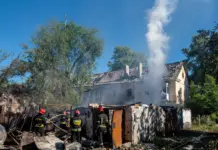
The security concerns are not abstract. Days before the parade, a Ukrainian drone struck a luxury high-rise apartment building just four miles from the Kremlin, causing extensive damage to an upper floor. No casualties were reported in that strike. Separately, a Ukrainian missile and drone attack on the Russian city of Cheboksary killed two people and wounded more than 30 others.
Russia’s defence ministry responded with a stark warning: any attack on Moscow on May 9th would trigger a "retaliatory, massive missile strike" on the centre of Kyiv. The threat reflects the volatile atmosphere surrounding a commemoration that carries enormous ideological weight for the Kremlin. Russia’s national identity under Putin has been constructed in large part around the Soviet Union’s victory in what Russians call the Great Patriotic War, a conflict that claimed approximately 27 million Soviet lives.
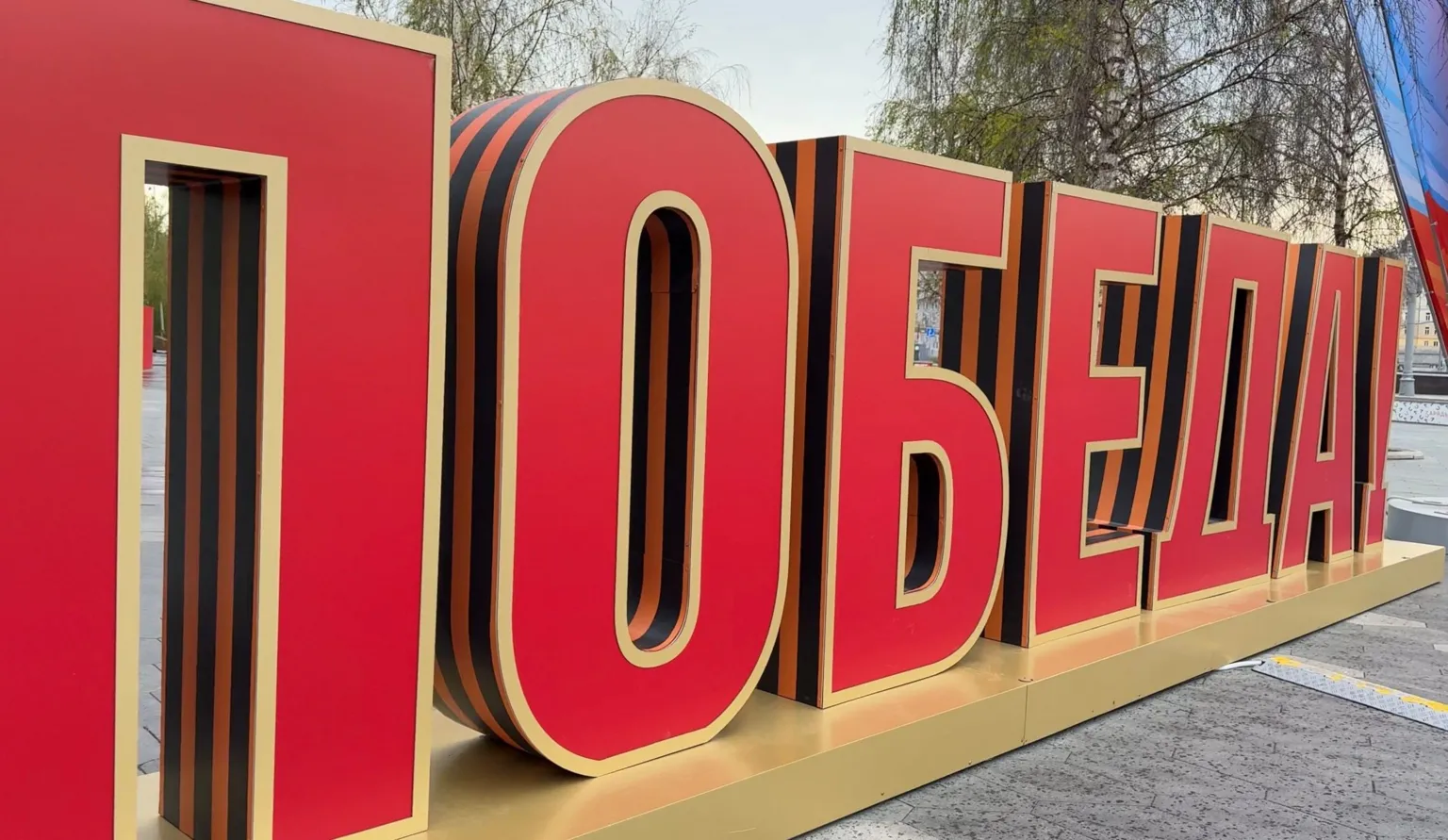
That historical memory was on display in the village of Rublyovo, near Moscow, where schoolchildren laid red carnations at a World War Two memorial. Two masked men in military fatigues, their chests decorated with medals, stood at the site — identified as fighters currently serving in Russia’s war on Ukraine, which the Kremlin continues to describe as a "special military operation."
Victory Day Parade Russia: The Wider European Impact
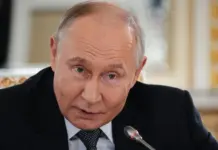
Yet the gap between official narrative and public sentiment appears to be widening. Recent polling, including surveys conducted by state-run agencies, points to a decline in Putin’s domestic approval ratings. Russians are expressing growing fatigue over the war, deepening anxiety about the cost of living, and mounting frustration with state-imposed internet restrictions that have disrupted daily life across the country. Putin himself appeared on television multiple times late last year dressed in military fatigues, conferring with generals in scenes that seemed calibrated to project wartime resolve.
The stripped-down parade is, in many respects, a microcosm of the contradictions now defining Russia’s war effort. A ceremony built to project invincibility will proceed this year without the very weapons that symbolise it — their absence a testament to the battlefield demands of a conflict that shows no sign of resolution. The Soviet Union defeated Nazi Germany in four years. Russia’s war on Ukraine has already outlasted that struggle, with no end in sight.