Iran Hormuz Blockade — More than 20,000 sailors remain trapped in one of the world’s most strategically vital waterways, caught in the crossfire of the US-Israeli war with Iran that has effectively shut down the Strait of Hormuz since late February — a chokepoint through which a fifth of the planet’s oil and gas normally flows.
The International Maritime Organisation (IMO) estimates that 1,600 ships are stranded on the wrong side of the strait, unable to transit after Iran sealed the passage and demanded express permission for any vessel to proceed. At least 11 sailors have been killed and one remains unaccounted for across 39 verified incidents, the IMO confirmed.
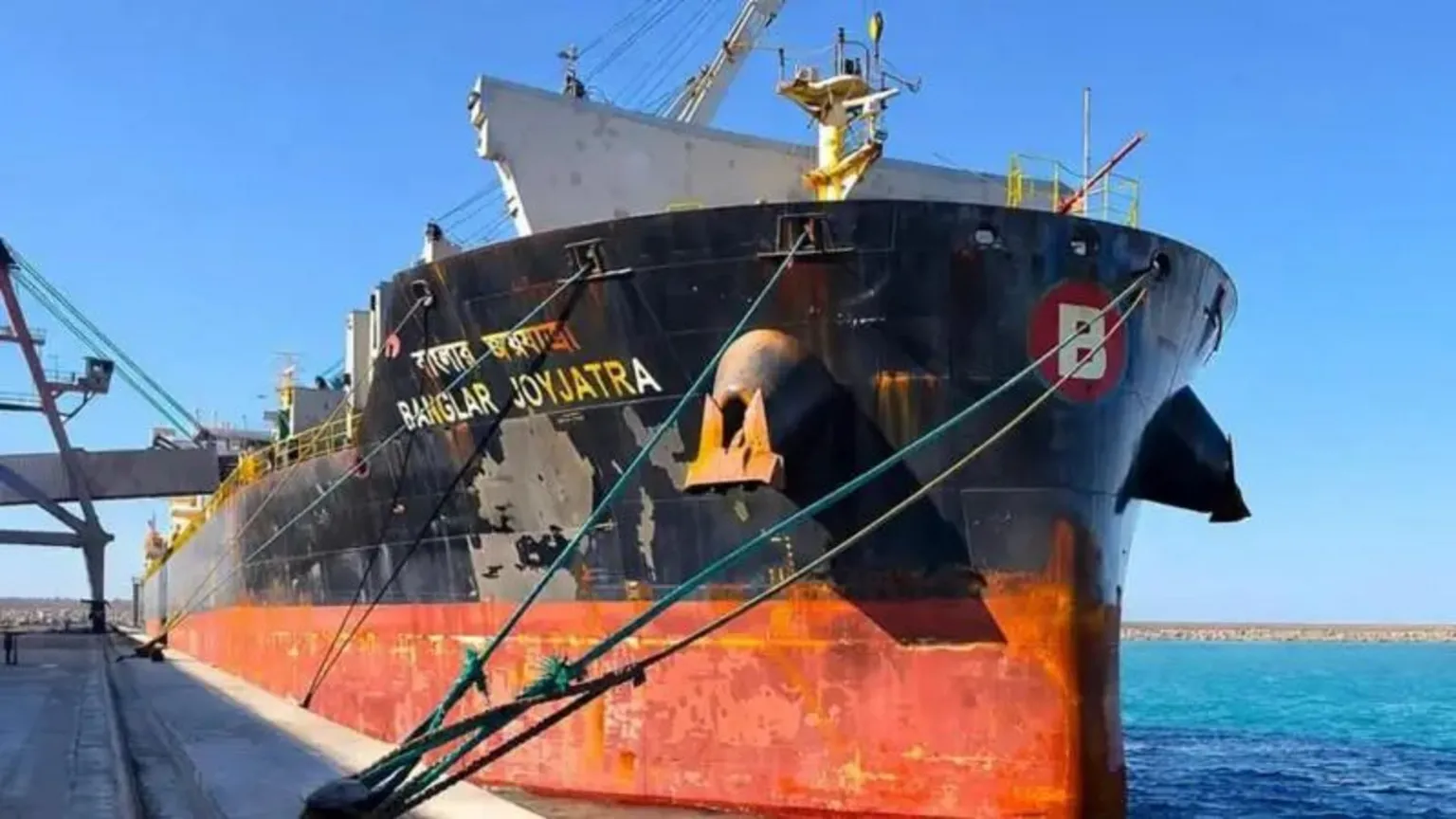
Among those trapped is Captain Shafiqul Islam, commanding the Banglar Joyjatra, a Bangladesh-owned vessel carrying approximately 37,000 tonnes of fertiliser destined for South Africa. His ordeal encapsulates the broader humanitarian and logistical catastrophe unfolding across the Persian Gulf. On the second day of the conflict, his ship was just 200 metres from Dubai’s Jebel Ali port when Iranian strikes targeted the facility. He has since attempted to exit through the strait twice — both times unsuccessfully, with the closest approach bringing the vessel within 30 nautical miles of the passage before being turned back.
Recommended Reading
The human cost is mounting. Sailors describe persistent stress, exhaustion, anxiety and chronic sleep deprivation. Drones and fighter jets remain visible overhead, while naval vessels and submarines are regularly spotted in surrounding waters. Mines have been laid beneath the waves. Crew contracts are expiring and large-scale rotations — standard practice in the maritime industry — are now severely overdue.
Conditions aboard vessels are deteriorating as the Gulf summer intensifies. Air temperatures in the region exceeded 30°C in May and are expected to climb as high as 45°C. The cost of basic supplies has surged dramatically: 180 tonnes of water now costs $11,000, compared to a pre-crisis price of between $1,500 and $2,000.
A ceasefire was announced on 8 April, briefly raising hopes of a resolution. Iran initially declared the strait would be "completely open" to all commercial vessels in accordance with the truce terms — only to reverse that position within hours. The announcement eased tensions marginally but did little to restore normal shipping operations.
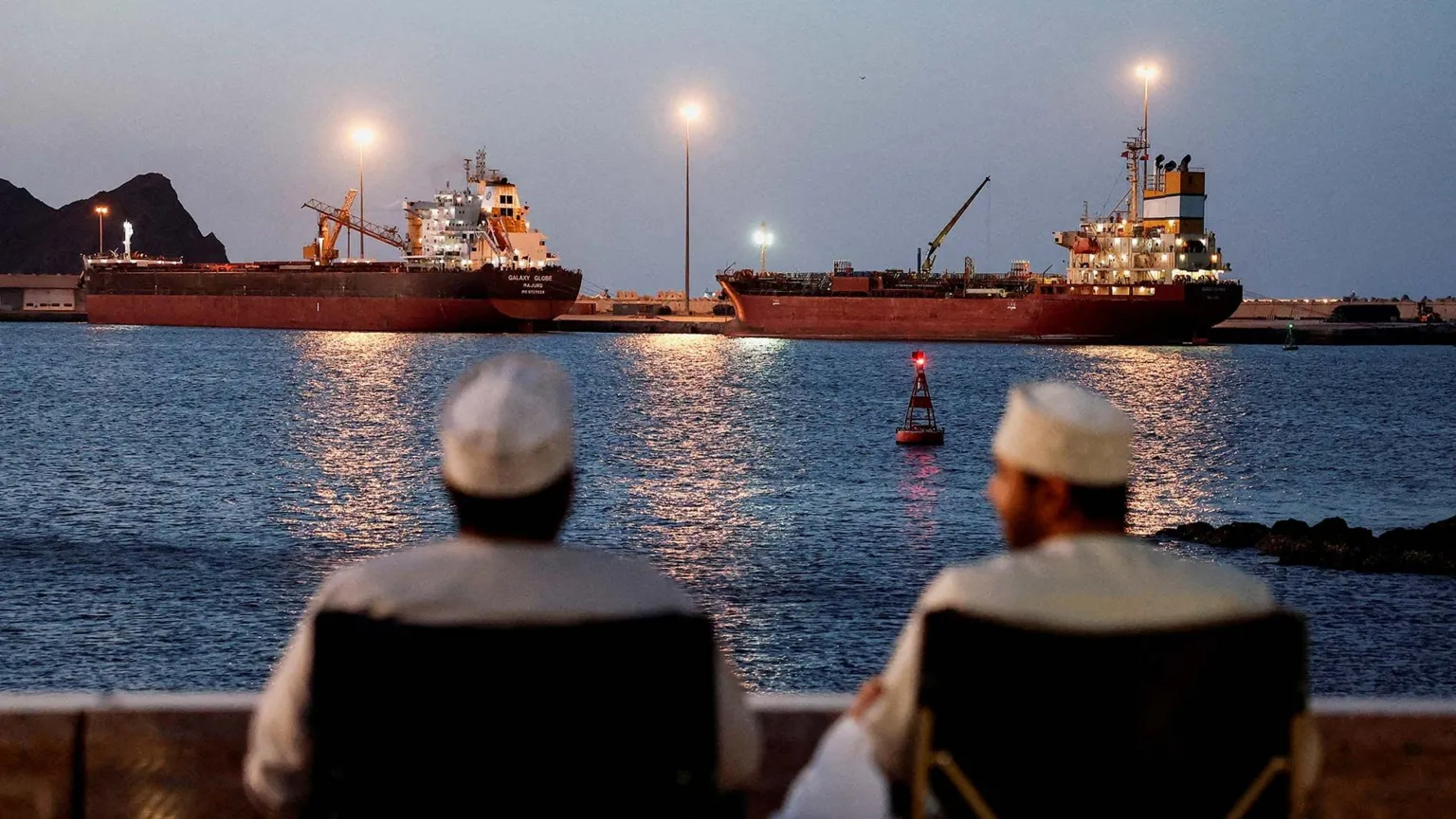
Since 28 February, maritime data firm Kpler estimates that approximately 750 ships have managed to transit the strait. Those that succeeded came primarily from China, India and Pakistan, and appear to have paid fees of several million dollars per vessel — effectively a toll extracted under duress.
The situation has placed the Bangladesh Shipping Corporation (BSC) in an acutely difficult position. BSC managing director Commodore Mahmudul Malek described the country as facing a "double crisis" — unable to pay Iran’s demanded toll after the United States threatened sanctions against any government that complied with the fee arrangement. Bangladesh had initially agreed to the payment before abandoning the plan under American pressure. Both the Bangladeshi government and the BSC continue to work diplomatic channels in an effort to secure the Banglar Joyjatra’s safe passage.
Iran Hormuz Blockade: Regional Implications
The broader economic implications of the blockade are severe. The Strait of Hormuz serves as the primary export corridor for Gulf energy producers, and its sustained closure has disrupted global oil and gas supply chains. Shipping insurance premiums have spiked, freight routes have been rerouted at enormous cost, and cargo delays are cascading through supply chains from South Asia to sub-Saharan Africa.
The IMO has called for the immediate and unconditional release of all trapped vessels and their crews, citing obligations under international maritime law. The organisation has documented the 39 verified incidents involving crew casualties and vessel damage since the conflict began.
For Captain Islam and the thousands of seafarers like him, the ceasefire has so far meant little. Missiles still arc overhead. The strait remains effectively closed. And the wait — now stretching into a third month — shows no clear sign of ending.