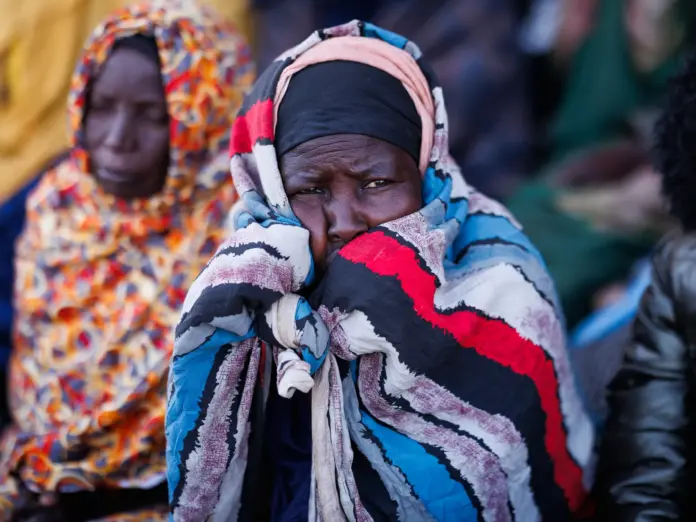
Rsf Fighters Sudan — Fighters affiliated with Sudan’s Rapid Support Forces (RSF) killed at least 27 civilians, including elderly residents, in a series of attacks on villages in the al-Murrah area west of Bara in North Kordofan state on Thursday — the second day of Eid al-Adha. The assault drew immediate condemnation from a Cairo-based medical organisation that described it as a flagrant breach of international humanitarian law.
The Sudan Doctors Network, a medical NGO operating out of Cairo, documented the killings and called on the international community to condemn the violence and take concrete steps to protect civilians caught in the crossfire of Sudan’s devastating civil war. The organisation characterised the strikes as a violation of international humanitarian law and demanded accountability for those responsible.
North Kordofan has emerged as one of the war’s most fiercely contested battlegrounds. The RSF and the Sudanese army have repeatedly clashed over the town of Bara, and fighting across the broader Kordofan region has intensified in recent months, with drone attacks adding a new and deadly dimension to the conflict. Thursday’s assault on the al-Murrah villages represents the latest in a sustained campaign of violence that has ravaged communities throughout the area.
Recommended Reading
The RSF and allied militia groups have consolidated control over much of the western Darfur region and hold significant portions of Kordofan along the border with South Sudan — territories that are strategically valuable not only militarily but economically, given their proximity to oil fields and gold mines.
Sudan’s civil war erupted in April 2023 when simmering tensions between the Sudanese army and the RSF — a paramilitary force that grew out of the notorious Janjaweed militias — exploded into open warfare. In the two years since, the conflict has killed hundreds of thousands of people and displaced millions more, hollowing out entire communities and collapsing the country’s already fragile infrastructure.
The timing of Thursday’s attack, falling on a major Islamic holiday, underscored the indiscriminate nature of the violence. Eid al-Adha, one of the most significant celebrations in the Muslim calendar, offered no protection to the residents of al-Murrah, where the assault claimed lives that included some of the community’s most vulnerable members.
The humanitarian toll extends far beyond the battlefield. A report released Thursday by the Integrated Food Security Phase Classification (IPC), a UN-backed body, found that more than 40 percent of Sudan’s population is now facing acute hunger. Nearly 19.5 million Sudanese people are experiencing severe food insecurity — a figure that aid agencies warn could climb further as conflict disrupts agricultural production, supply chains, and humanitarian access across the country.
Rsf Fighters Sudan: The Broader African Context
International aid organisations have consistently described Sudan’s humanitarian situation as one of the most severe crises anywhere in the world. Hospitals have been bombed, medical staff targeted, and entire regions cut off from food, medicine, and clean water. The Sudan Doctors Network’s appeal for international intervention reflects growing frustration among civil society groups that global attention and meaningful action have not matched the scale of the catastrophe unfolding inside the country.
The RSF, which commands a large and well-armed force, has faced widespread accusations of atrocities throughout the conflict, including mass killings, sexual violence, and the deliberate targeting of civilian infrastructure. The group has denied many of the allegations, but documentation from medical organisations, human rights groups, and survivor testimony has painted a consistent picture of systematic brutality in areas under its control or influence.
With no ceasefire in sight and peace negotiations stalled, the attack on al-Murrah villages signals that the war’s most brutal chapters may still lie ahead for the people of North Kordofan and beyond.