Colombian Mercenaries Sudan — Colombian mercenaries were recruited, trained on Emirati soil, and funnelled into Sudan to fight alongside the Rapid Support Forces, a months-long investigation by Human Rights Watch has concluded, drawing fresh international scrutiny onto the United Arab Emirates and its alleged role in one of the world’s deadliest ongoing conflicts.
The investigation, conducted through direct interviews with Colombian contractors between March and September 2025, found that an Abu Dhabi-based company recruited former Colombian army personnel and deployed them to Sudan in roles spanning infantry, artillery, drone operations, vehicle command, and battlefield instruction. Advertisements targeting ex-Colombian soldiers described the work as ‘drone pilot work in Africa’, obscuring the true nature of the deployment.
One mercenary described transiting through Abu Dhabi without receiving passport stamps and being transported by bus directly to a military installation. Training took place at UAE military facilities in Ghiyathi and Al Wathba before fighters were moved onward through a network of transit airports in Libya, Chad, and Somalia en route to Sudan.
Recommended Reading
The UAE has categorically denied permitting its territory to be used for the recruitment, training, financing, or transit of foreign fighters. In a formal statement, Emirati authorities said any individual or entity providing operational support to the RSF would be acting without state authorisation and in direct violation of Emirati law, adding that allegations concerning specific entities had been referred to relevant authorities for investigation.
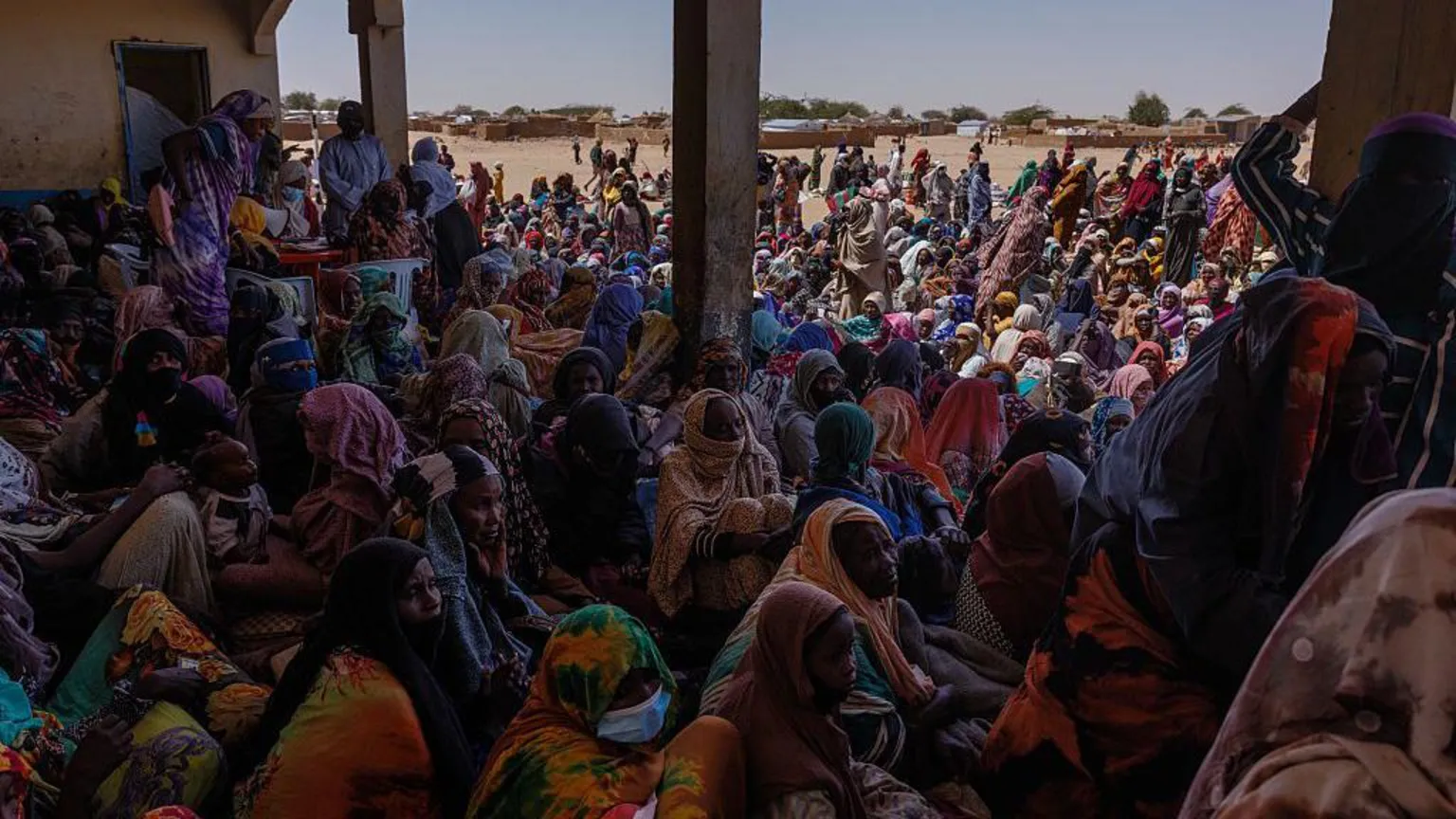
The findings arrive as Sudan’s civil war, which erupted on 15 April 2023 between the RSF and the Sudanese Armed Forces, enters its third year with catastrophic human costs. More than 150,000 people are believed to have died from violence since fighting began, while over 12.9 million have been displaced — one of the largest displacement crises anywhere in the world.
The situation in Darfur has drawn particular condemnation. The RSF’s violent capture of the city of el-Fasher prompted the UN Human Rights Office to estimate that more than 6,000 people were killed within the first three days alone. In November and December 2025, six el-Fasher residents separately told Human Rights Watch they had observed individuals they believed to be Colombian nationals present during mass killings in October 2025. RSF leader Gen Mohamed Hamdan Dagalo subsequently declared an internal investigation into violations committed by his forces during the city’s capture.
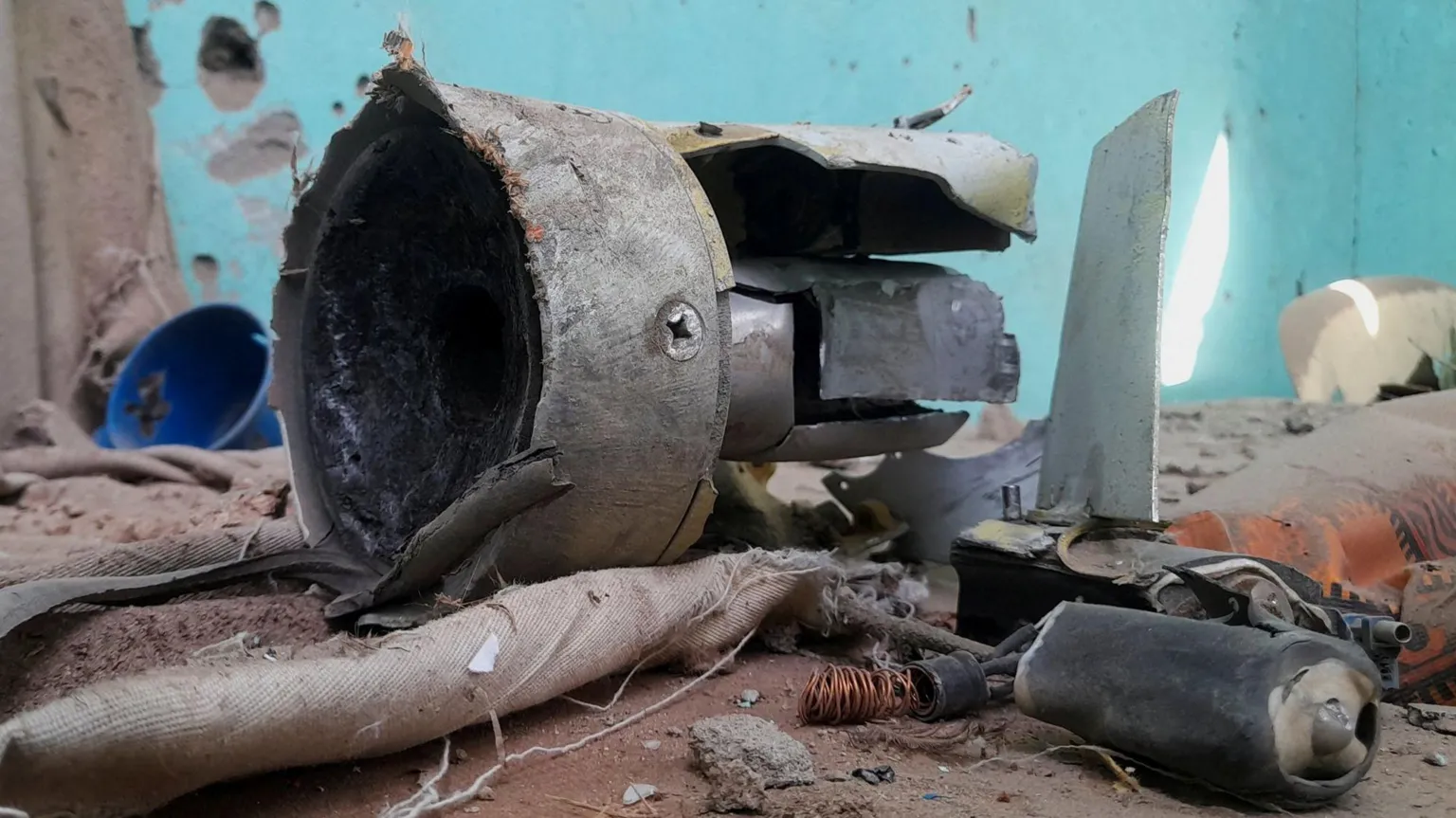
Physical evidence has reinforced the documentary trail. Munitions belonging to the UAE armed forces were recovered following the capture of Colombian mercenaries inside Sudan. Some of the ordnance was manufactured in Serbia and Bulgaria but had been purchased by the UAE, according to Human Rights Watch’s findings.
The HRW investigation is not the first to raise the alarm. The Conflict Insights Group released research last month highlighting the alleged involvement of Colombian mercenaries in Darfur, lending independent corroboration to the broader pattern of foreign fighter recruitment.
Colombian Mercenaries Sudan: The Broader African Context
Colombian President Gustavo Petro has responded with sharp condemnation, describing the mercenaries as ‘spectres of death’ and characterising their recruitment as a form of human trafficking. His remarks reflect growing political pressure in Bogotá over the exploitation of former military personnel — many of whom have previously appeared in conflict zones across the Middle East and Africa.

International pressure is mounting beyond Bogotá. In December 2025, the United States imposed sanctions on a network specifically identified as recruiting former Colombian soldiers to fight in Sudan, signalling Washington’s intent to hold accountable those facilitating the flow of foreign fighters into the conflict.
The war in Sudan has drawn in a complex web of regional actors since its outbreak, with the RSF and the Sudanese army each accused of atrocities. The alleged UAE connection adds a significant dimension to international efforts to broker accountability, as both the African Union and the United Nations have struggled to advance a durable ceasefire. With Colombian mercenaries now documented on the ground during some of the conflict’s worst recorded massacres, pressure on Abu Dhabi to provide a fuller accounting of its role is unlikely to diminish.