Israel Lebanon Strikes — Israel unleashed one of its most intensive waves of strikes against Hezbollah positions across Lebanon overnight, hitting more than 100 infrastructure sites and killing at least 13 people, as Prime Minister Benjamin Netanyahu personally ordered a dramatic escalation of the military campaign.
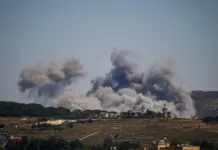
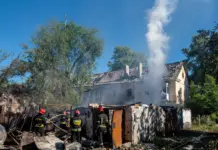
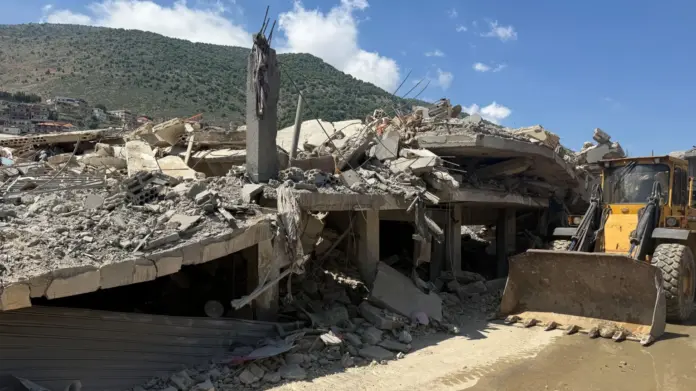
The deadliest single incident occurred in the Bekaa Valley village of Mashghara, where Israeli air attacks killed 11 people — including two children — and wounded 15 others. Several homes were destroyed in the strikes, which Lebanon’s National News Agency reported occurred late Monday. Excavators were still digging through rubble on Tuesday, with a number of residents unaccounted for. The Israeli military released aerial footage it said showed strikes on Hezbollah infrastructure sites in the village, with at least 10 separate attacks recorded within a single half-hour window.
Elsewhere, a man and his wife were killed when a strike hit their home in the southern town of Arab Salim on Monday evening. Two additional fatalities were recorded in the village of Kauthariyet El Rez. Heavy Israeli artillery bombardment struck the southern towns of Arnoun, Yohmor al-Shaqif, Zawtar al-Sharqiyah, and Mayfadoun, while air attacks were reported across Sarafina, Kafr, and Majdal Selem. The Tyre district towns of Shahour and Srifa also came under Israeli shelling, and the area around the historic Beaufort Castle in Nabatieh district was subjected to bombardment.
Recommended Reading
![Mashghara in the Bekaa Valley, Lebanon [Screengrab/Al Jazeera]](https://world-tension.s3.us-east-2.amazonaws.com/articles/1138/a49ab34a39fa48b383c1edecd1a69980.webp)
The Israeli military said it struck more than 90 weapons storage facilities, command centres, observation posts, and other Hezbollah infrastructure sites in southern Lebanon during the overnight operation, with the total across the Bekaa Valley and the south exceeding 100 targets. Israeli military spokesman Avichay Adraee issued forced displacement orders for residents of Nabatieh, instructing civilians to evacuate north of the Zahrani River. New evacuation orders were issued across Lebanon on Tuesday morning.
Netanyahu announced the escalation in a video statement Monday night, declaring he had given the instruction to "press the pedal even harder" against Hezbollah and that Israel would increase both the number and intensity of its strikes. His remarks triggered immediate panic in Beirut‘s southern suburbs — a Hezbollah stronghold — where thousands of cars clogged streets as families rushed to flee the area.
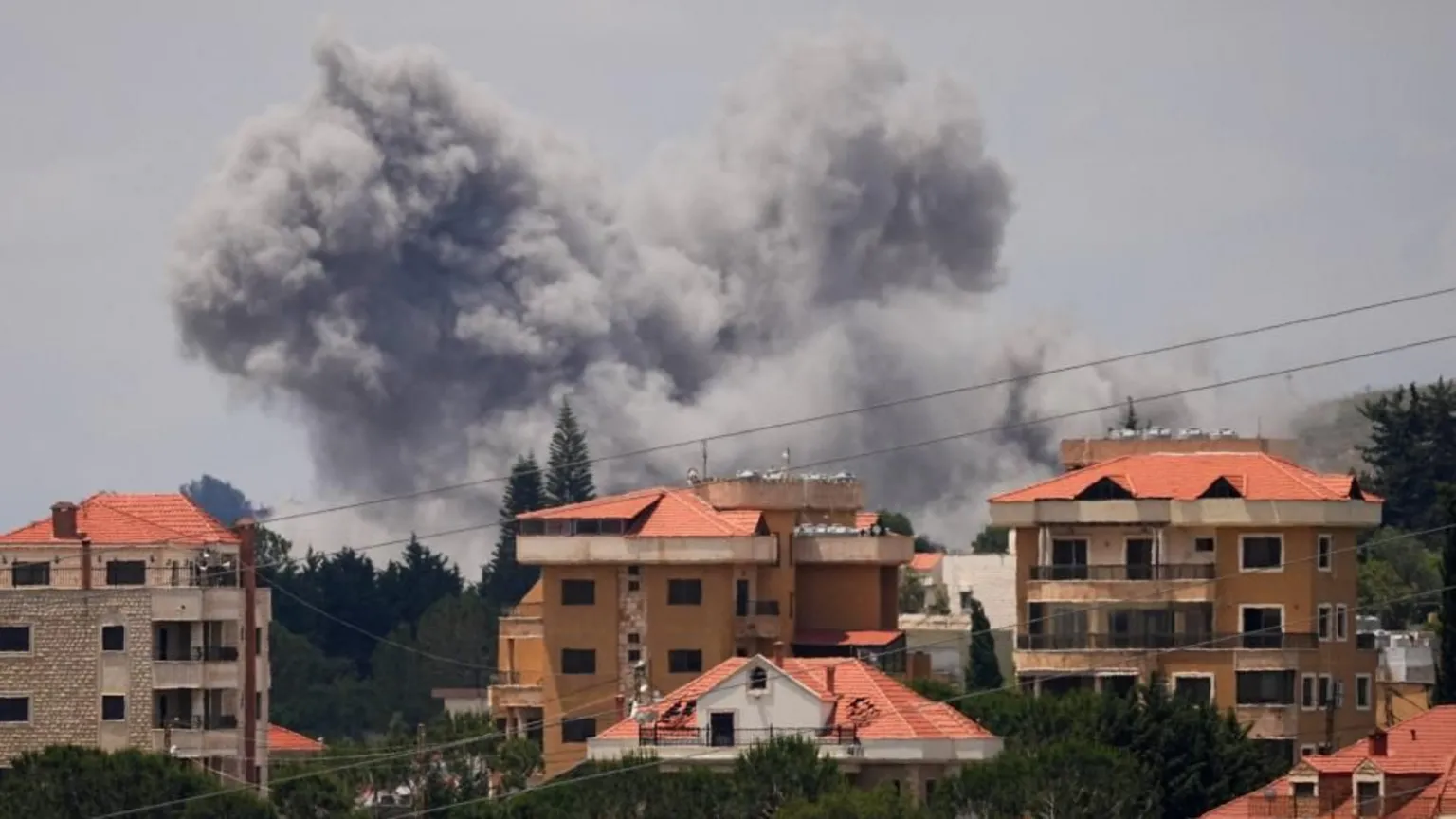
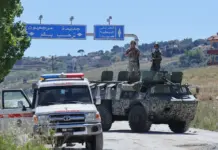
The surge in violence represents a severe deterioration of a US-brokered ceasefire that came into force on 17 April between the Israeli and Lebanese governments. That agreement has been repeatedly violated by both sides since its inception. Hezbollah has continued launching rockets and drones at communities in northern Israel and at Israeli troops occupying parts of southern Lebanon. The militant group said its attacks targeted three barracks and a military post in northern Israel in direct response to Israeli ceasefire violations.
The current conflict between Israel and Hezbollah began on 2 March, after Hezbollah launched attacks on Israel. The group said those strikes were in retaliation for Israel’s killing of Iranian Supreme Leader Ayatollah Ali Khamenei on 28 February, drawing Lebanon into the broader US-Israel war against Iran. A separate ceasefire between Israel and Lebanon had been agreed in November 2024.
Israel Lebanon Strikes: Regional Implications
![Lebanese civil defence workers search through the rubble of a building following an Israeli attack at dawn in the southern Lebanese area of al-Hosh, near the coastal city of Tyre [AFP]](https://world-tension.s3.us-east-2.amazonaws.com/articles/1138/045b18c3e0134c5a95125455c0115775.webp)
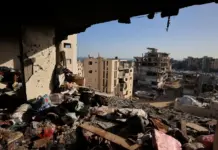
The human toll since 2 March has been staggering and deeply asymmetric. Lebanon’s Ministry of Public Health reports that Israeli strikes have killed at least 3,185 people and wounded more than 9,600 others since the war began. At least one million people have been displaced across the country. On the Israeli side, 23 military personnel have been killed in southern Lebanon from Hezbollah attacks over the same period, along with one civilian contractor. A soldier was killed in combat in southern Lebanon as recently as Sunday.
The scale of Monday night’s bombardment — spanning nearly 50 locations — signals a significant shift in Israeli operational tempo, raising urgent questions about the viability of the April ceasefire framework and the prospects for any diplomatic off-ramp to a conflict that has already reshaped Lebanon’s civilian landscape.