Iran Hormuz Toll — Iran is preparing to unveil a sweeping new regime governing maritime traffic through the Strait of Hormuz, one of the world’s most strategically vital waterways, as tensions with the United States and Israel reach a dangerous inflection point on day 79 of an ongoing war.
Iranian First Vice President Mohammad Reza Aref declared Saturday that Tehran would no longer permit military equipment belonging to enemy states to transit the strait. The announcement signals a dramatic escalation in Iran’s posture toward the waterway, through which roughly a fifth of global oil supplies pass.
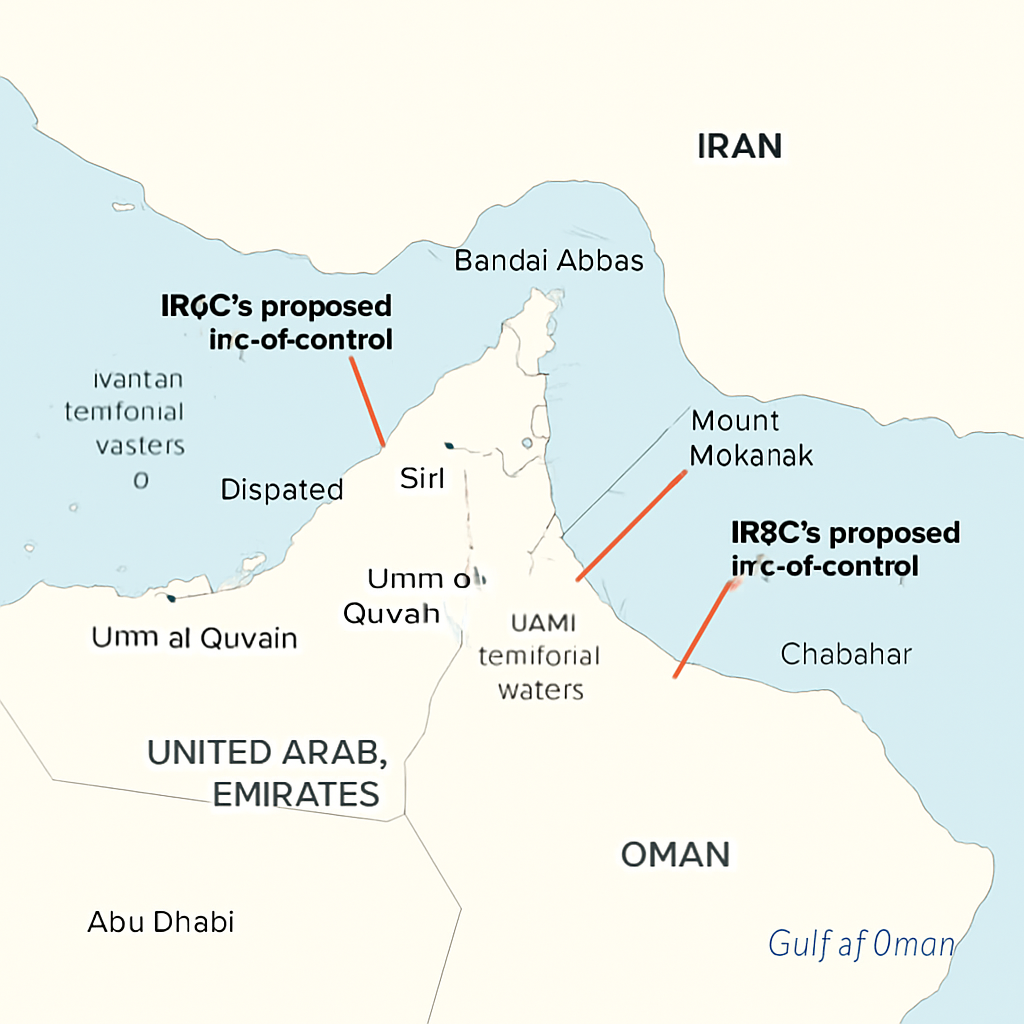
Legislator Ebrahim Azizi elaborated on the plan, describing a "professional mechanism to manage traffic in the Strait of Hormuz along a designated route." Under the proposed framework, only commercial vessels and parties cooperating with Iran would be permitted passage, with fees levied for what Azizi termed "specialised services." Iranian state television reported that European nations have already entered into preliminary talks with Tehran over transit arrangements for their ships.
Recommended Reading
Parliament Speaker Mohammed Bagher Ghalibaf, identified as Iran’s main negotiator in the standoff, framed the moment in sweeping historical terms, declaring that the world "stands at the cusp of a new order." The rhetoric underscores how Tehran views the current confrontation not merely as a military crisis but as a fundamental contest over the architecture of global power.
The announcement drew an immediate response from US President Donald Trump, who warned Tehran it would face a "very bad time" if a peace deal is not reached in the near term. The threat carries tangible weight: the US military has redirected 78 commercial ships and disabled four vessels as part of a continuing blockade of Iranian ports, a campaign of economic and maritime pressure that has tightened steadily in recent weeks.
Adding to the pressure, the USS Gerald R. Ford — the world’s largest aircraft carrier — returned to its home port in Virginia on Saturday after an 11-month deployment, the longest carrier deployment since the Vietnam War. The vessel’s mission encompassed support for the US-Israel campaign against Iran as well as operations related to the capture of Venezuelan leader Nicolas Maduro, underscoring the breadth of American military commitments in the current period.
Diplomatic channels, however, remain open. Pakistani Interior Minister Mohsin Naqvi arrived in Tehran on Saturday to facilitate peace negotiations between Iran and the United States, following a visit to the Iranian capital by Field Marshal Asim Munir, Pakistan’s military chief, just days earlier. Islamabad’s active mediation role reflects both its geographic proximity to the crisis and its longstanding ties to both parties.
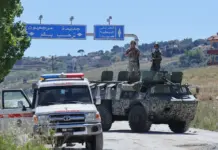
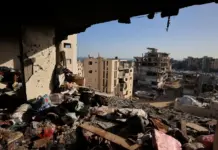
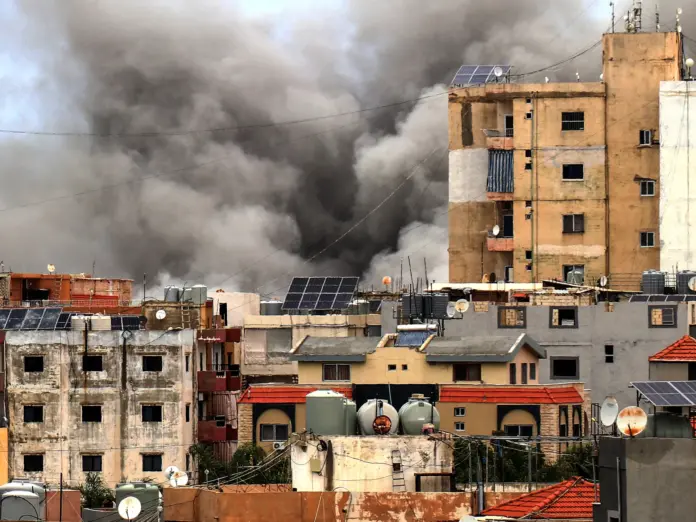
On a separate but connected front, Israel continued military operations in southern Lebanon even as a ceasefire extension took hold. The Israeli military confirmed Saturday that one of its soldiers was killed in combat in the south, bringing total Israeli personnel losses in the conflict with Hezbollah to 21 since fighting escalated on March 2. Over the preceding two days, Israeli forces struck approximately 100 sites across southern Lebanon.
Iran Hormuz Toll: The Energy Security Dimension
The US Department of State announced Friday that Israel and Lebanon had agreed to extend their ceasefire by 45 days following talks in Washington. The agreement offers a temporary pause in hostilities, though Israeli strikes on the town of Zawtar al-Sharqiyah in southern Lebanon demonstrate that military pressure has not fully abated.
The convergence of events — Iran’s Hormuz gambit, the return of the Ford carrier group, Pakistani mediation, and continued fighting in Lebanon — paints a picture of a region in which multiple crises are feeding into one another. The Strait of Hormuz, should Iran follow through on its toll and access restrictions, would become the sharpest pressure point: any move to deny passage to vessels linked to the United States or its allies would constitute a direct challenge to the global energy order and could trigger a rapid military response.
Whether Pakistan’s diplomatic intervention, combined with back-channel European engagement over shipping rights, can create sufficient space for a negotiated settlement remains deeply uncertain. What is clear is that Tehran has chosen this moment to assert maximum leverage over a chokepoint the world cannot afford to lose.