Iran Hormuz Blockade — Armed clashes between US and Iranian forces erupted near the Strait of Hormuz this week, testing a fragile ceasefire and sending oil prices sharply higher as one of the world’s most critical energy corridors came under threat.
US Central Command (Centcom) confirmed that American forces disabled two Iranian-flagged oil tankers attempting to enter an Iranian port on the Gulf of Oman, firing precision munitions into the vessels’ smokestacks to halt their passage. At the same time, US forces were preventing more than 70 tankers from entering or leaving Iranian ports as part of a naval blockade designed to pressure Tehran into accepting American terms for ending the conflict.
On Thursday, Centcom accused Iran of launching an unprovoked assault involving missiles, drones and small boats against three US warships. President Donald Trump confirmed the engagement on Truth Social, stating that US forces destroyed multiple small boats, missiles and drones, and that ‘great damage’ had been inflicted on Iranian attackers. He followed the announcement with a stark warning: if Iran does not sign a deal ‘FAST’, the US would ‘knock them out a lot harder, and a lot more violently.’
Recommended Reading
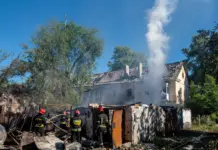
Iran’s military command offered a sharply different account. Senior officials alleged that US forces carried out aerial attacks on several coastal areas and targeted an Iranian oil tanker along with another vessel approaching the strait. A cargo ship caught fire after being attacked in waters near Minab, and Mohammad Radmehr, an official in Hormozgan province, confirmed that ten injured sailors had been transferred to hospital.
Despite the violence, Trump insisted the ceasefire — established to create space for negotiations aimed at ending the war that the US and Israel launched in February — remained intact. US Secretary of State Marco Rubio said Iran is expected to respond to American proposals on Friday, suggesting diplomatic channels have not yet collapsed entirely.
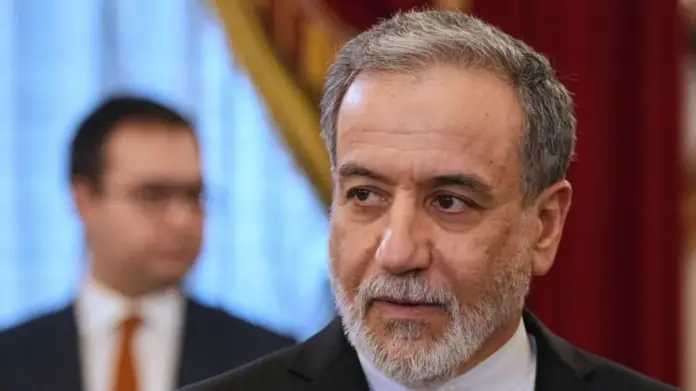
Iran’s Foreign Minister Abbas Araghchi was unsparing in his condemnation. He accused Washington of choosing a ‘reckless military adventure’ when diplomatic solutions remain available, and declared that Iranians would ‘never bow to pressure.’ Both governments accused the other of firing first, leaving the sequence of events disputed and the risk of further escalation acute.
The strategic stakes extend far beyond the two countries. Approximately 20% of the world’s oil and liquefied natural gas transits the Strait of Hormuz each day, making it the single most important maritime chokepoint for global energy markets. The ongoing blockade and clashes have already caused oil prices to soar, alarming importers across Asia, Europe and beyond.
Iran Hormuz Blockade: The Energy Security Dimension
Earlier this week, Trump launched and then paused a US military operation intended to free roughly 2,000 commercial vessels that have been stranded in the area since February, when the conflict began. The pause appeared tied to diplomatic maneuvering, but the resumption of hostilities on Thursday cast doubt over whether any negotiated resolution is imminent.
The naval blockade of Iranian ports represents one of the most aggressive economic pressure tools deployed by Washington, effectively strangling Iran’s ability to export oil while the two sides remain locked in talks. Tehran has consistently rejected what it characterises as coercive diplomacy, and the latest military exchange suggests its tolerance for the blockade is wearing thin.
With Rubio pointing to Friday as a potential turning point for Iran’s formal response to US proposals, the coming hours carry unusual weight. A diplomatic breakthrough could ease tensions in a waterway that underpins global energy security; a further military exchange risks triggering a broader confrontation with consequences felt in fuel markets and shipping lanes worldwide.