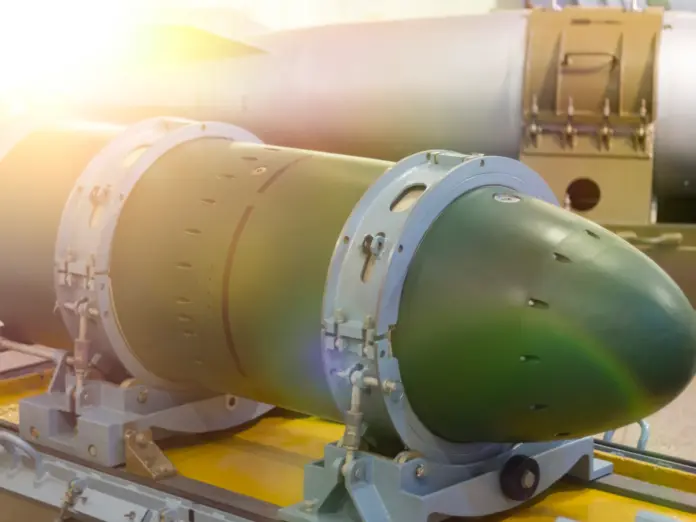
Global Nuclear Arsenal — The world’s nuclear arsenal is growing for the first time in decades, with all nine nuclear-armed states simultaneously upgrading or expanding their weapons stockpiles, according to a major new assessment published Monday by the Stockholm International Peace Research Institute (SIPRI).
As of January 2025, the nine nuclear powers — China, France, India, Israel, North Korea, Pakistan, Russia, the United Kingdom, and the United States — collectively possessed 12,187 nuclear warheads. Of those, approximately 9,745 are held in active military stockpiles available for potential use, while an estimated 4,012 are deployed on missiles and aircraft ready for operational use. Most alarming, up to 2,200 warheads are maintained on high alert, capable of being launched within minutes of an order.
Nearly all of those high-alert weapons belong to Russia and the United States, with smaller contributions from France and the United Kingdom. The two Cold War superpowers together account for roughly 83 percent of all warheads held in military stockpiles and nearly 86 percent of the global total — a dominance that underscores how concentrated the world’s nuclear firepower remains even as other nations accelerate their own programmes.
Recommended Reading
China recorded the fastest rate of arsenal expansion of any country, growing its stockpile from approximately 600 warheads to 620 over the past year. While that figure may appear modest, SIPRI analysts note the pace and trajectory of Beijing’s build-up is unmatched globally, cementing China’s position as the world’s third-largest nuclear power. Most other nuclear states also deployed new nuclear-armed or nuclear-capable weapon systems during the year.
France announced plans to expand its warhead numbers and, in a significant shift in transparency, declared it would no longer publicly communicate the size of its arsenal. The United Kingdom is not believed to have increased its stockpile last year, though its operational warhead count is expected to rise in the future.
In South Asia, both India and Pakistan continued developing new delivery systems. India is assessed to have slightly increased its arsenal, while Pakistan continued accumulating fissile material in a pattern that analysts say could indicate future expansion. North Korea is estimated to have assembled as many as 60 warheads and is actively developing capabilities in pursuit of its stated goal of exponentially growing its nuclear force.
Israel, which maintains a longstanding policy of nuclear ambiguity, is estimated by SIPRI to hold approximately 90 warheads. Satellite imagery and construction data indicate increased activity at the Negev Nuclear Research Center near Dimona in 2025, though Israel has made no official statements regarding its programme.
SIPRI researcher Hans Kristensen delivered a stark assessment of the diplomatic landscape, stating that nuclear weapon states are walking away from their disarmament commitments. Those commitments, enshrined in the Nuclear Non-Proliferation Treaty, have long been cited as the cornerstone of global efforts to prevent the spread of atomic weapons.
Global Nuclear Arsenal: The Nuclear Dimension
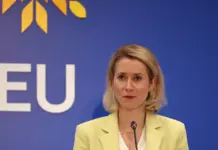
SIPRI Director Karim Haggag warned that the growing reliance on nuclear deterrence as a pillar of national defence strategies could significantly increase nuclear risks worldwide. The institute expects the global stockpile to reverse its post-Cold War decline in the coming years — a trajectory that would mark a historic turning point after three decades of gradual drawdown following the collapse of the Soviet Union.
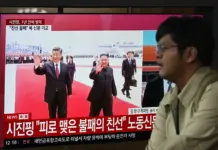
The report arrives against a backdrop of heightened geopolitical tension. Russia has repeatedly invoked its nuclear capabilities in the context of its ongoing war in Ukraine. Meanwhile, Xi Jinping landed in North Korea for a meeting with Kim Jong-un, a summit that underscores the deepening strategic alignment between Beijing and Pyongyang as both nations face intensifying pressure from Western-led security coalitions.
The convergence of expanding arsenals, eroding arms control frameworks, and deteriorating great-power relations has led analysts to describe the current moment as the most dangerous nuclear environment since the height of the Cold War. With no major bilateral disarmament talks currently underway between Washington and Moscow, and China declining to participate in multilateral nuclear negotiations, the institutional architecture designed to manage nuclear risk appears increasingly strained.