Iran Israel Strikes — A fragile quiet descended on the Middle East on Monday after Iran and Israel exchanged their most intense direct fire in two months, with both governments declaring a halt to military operations following a rapid escalation that drew in Lebanon, Yemen, and the wider Gulf region.
The latest round of hostilities was ignited on Sunday when the Israel Defense Forces struck a Hezbollah command centre in Dahieh, the southern suburbs of Beirut, after Israeli air defences intercepted two projectiles launched from Lebanese territory that morning. Lebanon’s health ministry reported two people killed and 20 injured in that strike. Iran’s Islamic Revolution Guard Corps (IRGC) responded by launching approximately 30 ballistic missiles at targets in northern Israel, including Ramat David airbase, marking the first direct Iranian strikes on Israeli soil since the two sides observed an April truce.
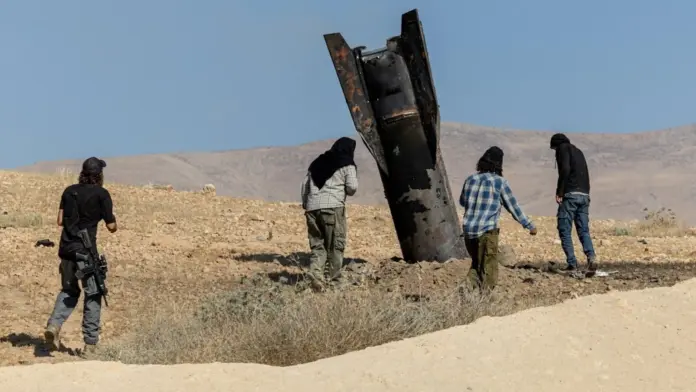
Israel’s military answered swiftly. Dozens of Israeli aircraft struck military targets across western and central Iran in the early hours of Monday, with Iranian state media reporting explosions in Tehran, Isfahan, Najafabad and Tabriz. A second Israeli wave then targeted a petrochemical complex in Mahshahr in southwestern Iran. Iran’s Emergency Organisation chief confirmed 14 people were injured in Mahshahr and one in Tehran. On Monday morning, Iran launched a further salvo of missiles toward Jerusalem and central and southern Israel, with Israeli media reporting damage to four buildings near the settlement of Itamar in the occupied West Bank.
Recommended Reading
![Municipality workers remove the rubble of destroyed apartments that where hit by an Israeli airstrike in Dahiyeh, Beirut's southern suburb [Hassan Ammar/AP Photo]](https://world-tension.s3.us-east-2.amazonaws.com/articles/1358/e80dd101cdca41148333bd19e0981ccd.webp)
Yemen’s Houthis joined the assault, announcing a missile attack on Israel and declaring a total ban on Israeli maritime navigation in the Red Sea. An Israeli military official said one of two Houthi launches fell short of its target.
By Monday afternoon, Iran’s armed forces announced a halt to operations against Israel. Prime Minister Benjamin Netanyahu confirmed Israel was also standing down, stating the decision followed a direct request from US President Donald Trump. Trump had posted on Truth Social urging both sides to immediately stop shooting, and told a British newspaper on Sunday that he, not Netanyahu, calls the shots on the conflict’s direction. The IRGC warned, however, that if Israeli aggression were repeated, responses would be broader and would encompass all American-Zionist targets in the region.
![Demonstrators at a pro-government rally in Tehran, June 7 [Vahid Salemi/AP Photo]](https://world-tension.s3.us-east-2.amazonaws.com/articles/1358/d59735b191a449c4a148ff2ce703fbdc.webp)
The exchange is the latest eruption in a war that began on 28 February, when Israel and the United States launched a joint attack on Iran that killed Supreme Leader Ayatollah Ali Khamenei. Pakistan brokered an initial ceasefire that took effect on 7 April, but the truce has proven brittle. Lebanon was pulled into the conflict on 2 March after Hezbollah launched rockets into northern Israel in retaliation for Khamenei’s death. A US-mediated ceasefire between Israel and Hezbollah nominally began on 17 April, yet Israeli strikes on Beirut and other Lebanese territory continued in the weeks that followed.
Lebanese and Israeli negotiators announced another conditional ceasefire this week following talks in Washington, but Hezbollah leader Naim Qassem rejected the agreement outright, calling it a farce and vowing that attacks on northern Israel would continue for as long as bombs were falling on Lebanon. Iran has consistently maintained it will not consider any peace arrangement that excludes Lebanon from its terms.
Iran Israel Strikes: Regional Implications
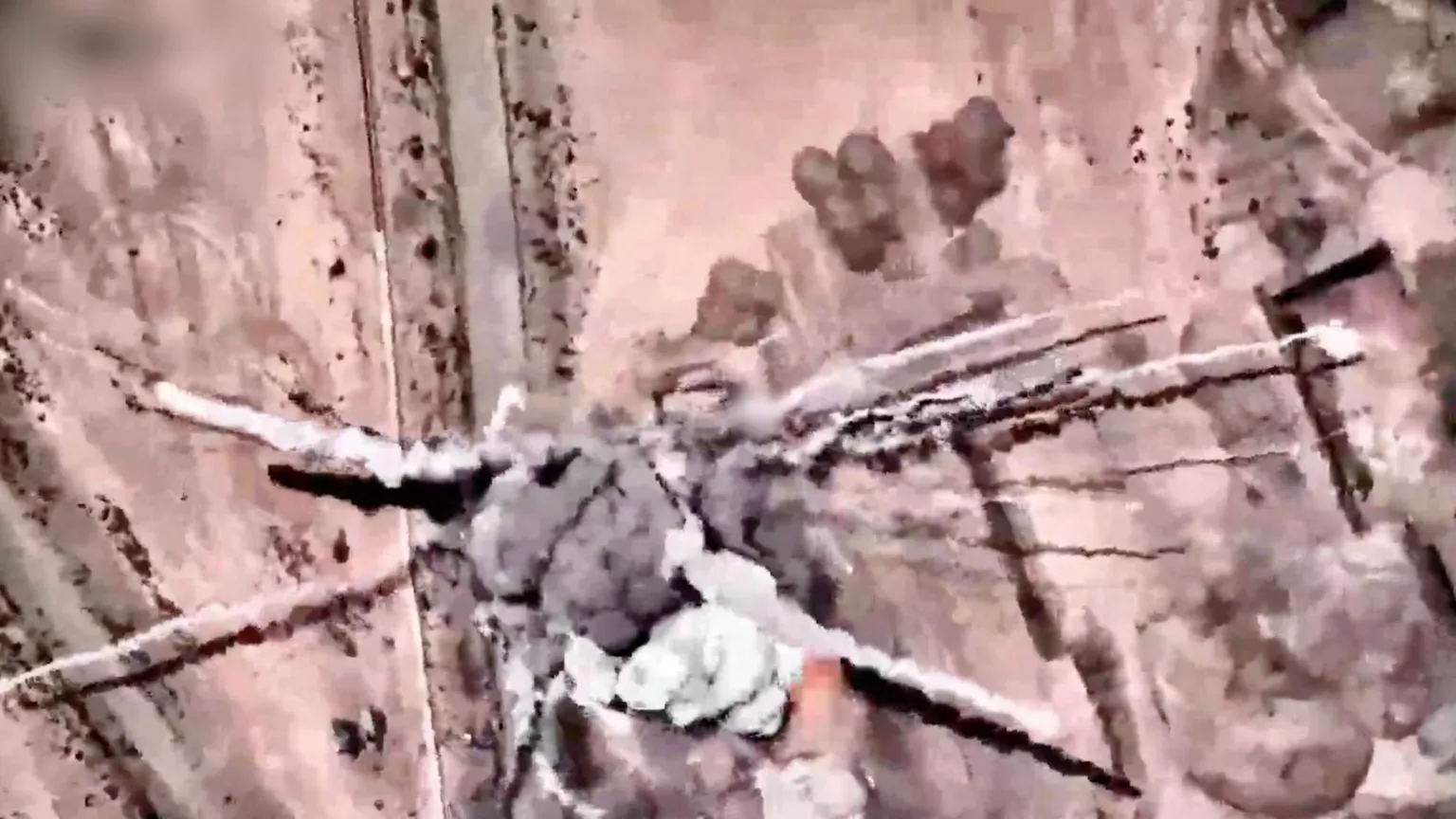
The human toll of the conflict is staggering. Iran’s Martyrs Foundation places the death toll inside Iran at least 3,468, while the Human Rights Activists News Agency (HRANA) puts the figure at 3,636, including 1,701 civilians killed in US and Israeli strikes. Lebanon’s health ministry reports 3,613 people killed and more than 11,000 injured in Israeli attacks since fighting resumed in March, with over one million people displaced from their homes. Israel has occupied nearly one-fifth of Lebanese territory. On the Israeli side, 20 civilians have been killed in Iranian missile attacks, and 30 soldiers along with four civilians have died in fighting along the Israel-Lebanon border. Twenty-nine people have been killed in Iranian strikes on Bahrain, Kuwait, Qatar, Saudi Arabia and the United Arab Emirates, and 13 US service members have lost their lives, seven of them in Iranian attacks in the Gulf.
With both sides having declared a pause, diplomatic pressure is mounting for a more durable arrangement. Whether the latest halt holds will depend heavily on whether Israeli operations in Lebanon cease — a condition Iran has made central to any broader settlement, and one that Hezbollah’s leadership shows no sign of accepting on terms currently on the table.