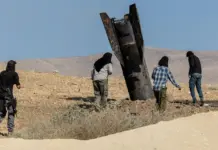
Zaporizhia Ceasefire Diplomacy — A Russian assault combining drones and artillery fire killed five people and wounded 14 others in Ukraine’s Zaporizhia region on Monday, regional governor Ivan Fedorov announced via Telegram. The attack caused widespread damage to infrastructure, residential buildings, and vehicles across the region, adding to a mounting toll of civilian harm as diplomatic efforts to end the war remain deadlocked.
The strikes extended well beyond Zaporizhia. In the Odesa region, Russian forces targeted energy infrastructure, triggering power outages for more than 1,000 customers, according to regional governor Oleh Kiper. In a particularly alarming development, Russian forces struck a nuclear fuel storage facility near the defunct Chornobyl power plant, raising fresh concerns about the safety of nuclear sites caught in the conflict.
Ukraine, meanwhile, pressed its own offensive operations. A Ukrainian drone struck a train in Russia-annexed Crimea, killing the assistant driver and injuring the driver. Sergei Aksyonov, the Russian-installed governor of the peninsula, confirmed the incident. Separately, Ukrainian drones targeted the Volgograd region inside Russia, where air defence units intercepted the attack but falling debris ignited a fire at a pumping station in the Zhirnovsky district. Governor Andrei Bocharov reported no casualties from that strike.
Recommended Reading
A drone attack also set ablaze a loading complex at Russia’s Black Sea port of Novorossiysk, a strategically significant facility. More than 130 firefighters were deployed to battle the blaze. Local authorities reported no injuries from that incident.
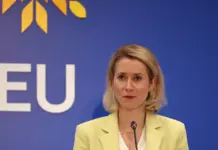
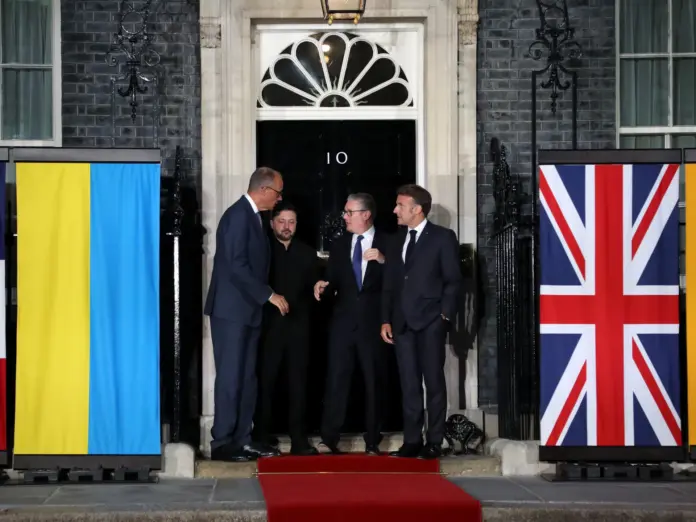
The wave of mutual strikes unfolded against a backdrop of stalled peace efforts. On Sunday, Ukrainian President Volodymyr Zelenskyy met in London with British Prime Minister Keir Starmer, French President Emmanuel Macron, and German Chancellor Friedrich Merz. The three European leaders issued a joint statement commending Zelenskyy’s push to end the war and his call for direct dialogue with the Kremlin.
In an open letter published Thursday, Zelenskyy had proposed a face-to-face meeting with Russian President Vladimir Putin, declaring his readiness for a full ceasefire. Putin rejected the overture, stating he saw no point in such a meeting at this time — a dismissal that underscored the vast distance between the two sides despite sustained pressure from European capitals.
The London summit represented a significant show of solidarity from Ukraine’s closest European allies, who have consistently framed the conflict as a test of the continent’s security architecture. Their joint endorsement of Zelenskyy’s ceasefire proposal signals continued diplomatic momentum even as battlefield violence intensifies.
Zaporizhia Ceasefire Diplomacy: The Wider European Impact
The targeting of the Chornobyl nuclear fuel storage site is likely to draw particular international scrutiny. The plant, site of the 1986 catastrophe that remains the worst nuclear accident in history, has been a focal point of concern throughout the war. Any damage to nuclear materials stored at the facility carries potential consequences far beyond the immediate conflict zone.
Monday’s death toll in Zaporizhia brings the human cost of the war into sharp relief as summer fighting season accelerates. The region, which includes the Zaporizhia Nuclear Power Plant — Europe’s largest — has been a persistent flashpoint since Russian forces seized parts of the oblast in 2022. Residential areas bearing the brunt of Monday’s strikes illustrate the continued exposure of civilian populations despite international calls for restraint.
With Putin’s rejection of direct talks and no ceasefire framework in place, the conflict shows no sign of abating. European leaders are expected to maintain pressure on both sides, though the path to negotiations remains deeply uncertain.