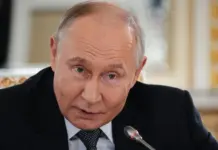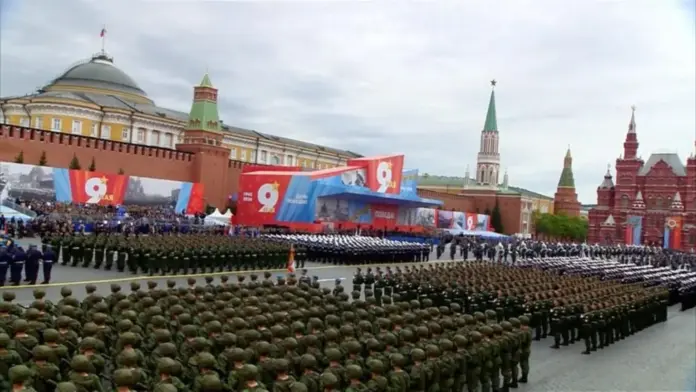
MOSCOW — Vladimir Putin stood before rows of marching soldiers on Red Square Friday, delivering a Victory Day address that cast Russia’s three-year war in Ukraine as a righteous struggle against Western aggression — even as the parade behind him bore a conspicuous absence: for the first time in nearly twenty years, not a single tank, missile system, or armoured vehicle crossed the cobblestones.
Putin Victory Day Parade — The annual commemoration, which marks the Soviet Union’s defeat of Nazi Germany in 1945, has long served as a showcase of Russian military power. This year, only uniformed personnel marched through the square, accompanied by a military brass band that struck up after cannon salvoes rang out following Putin’s speech. Russian television then cut to footage of soldiers on active front lines — a pointed reminder that the machinery of war was otherwise engaged.
Russian MP Yevgeny Popov offered the bluntest explanation for the stripped-down spectacle, stating publicly that tanks are needed on the battlefield more than on Red Square. Official Kremlin communications cited the ‘current operational situation,’ while Ukrainian drone threats were also invoked as justification for tightening security and scaling back the display.
Recommended Reading
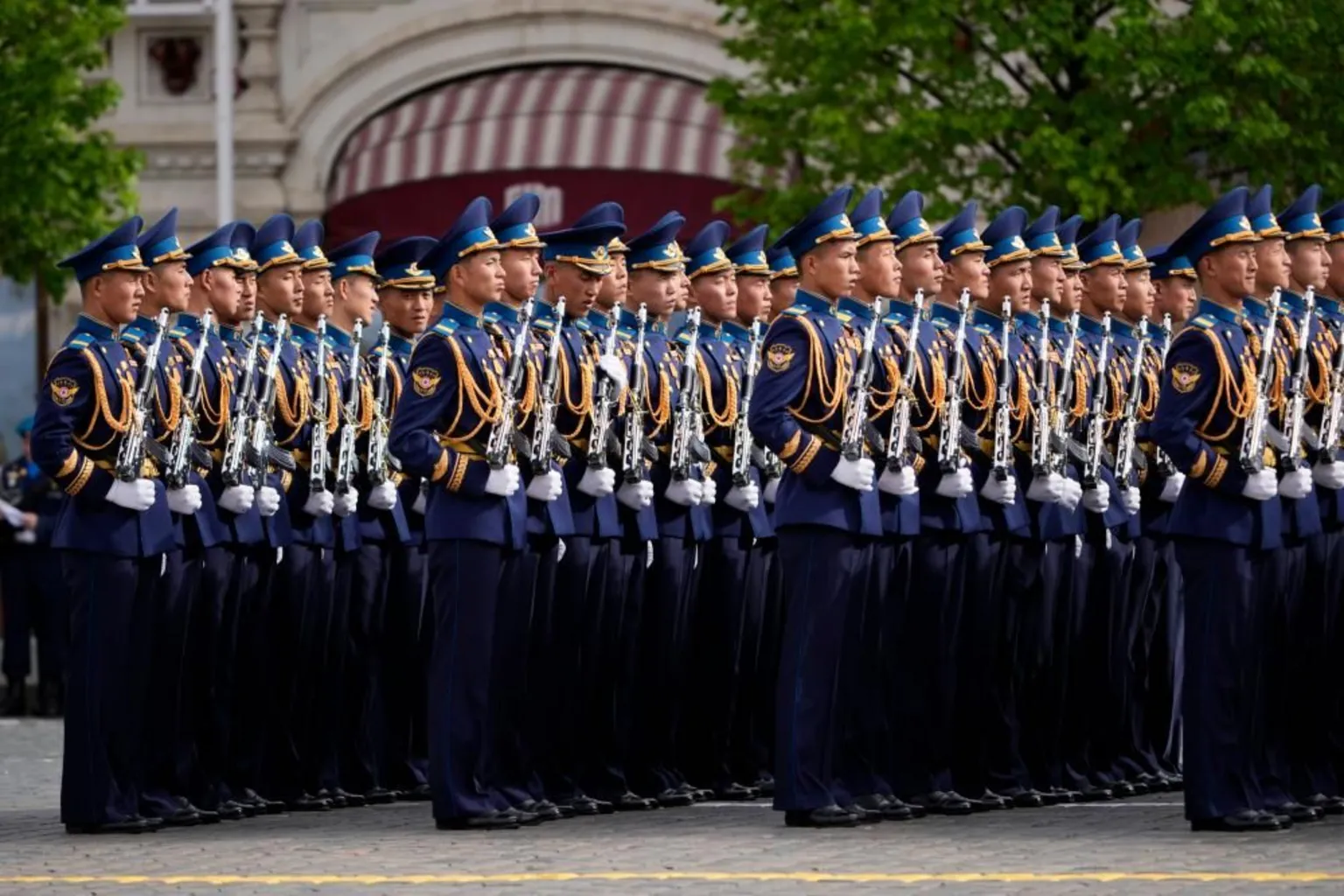
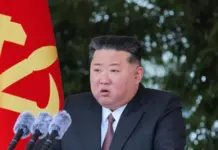
In his address, Putin described the war in Ukraine — launched as a full-scale invasion in February 2022 — as a ‘just’ conflict, characterising Ukraine as an ‘aggressive force’ armed and sustained by NATO. The speech offered no concessions and no new diplomatic overtures, reinforcing a narrative of existential struggle that the Kremlin has maintained since the invasion began.
The ceremony unfolded against the backdrop of a tenuous ceasefire arrangement. US President Donald Trump announced a three-day truce covering 8 and 9 May, which Russia and Ukraine agreed to observe. Kyiv had pushed for a broader, indefinite ceasefire beginning 6 May, but that proposal went unmet. Within hours of the announcements, both governments accused each other of extensive violations along the front lines, casting doubt on the durability of even the limited pause in fighting.
The guest list at Red Square reflected Russia’s narrowing circle of high-profile international partners. Belarusian President Alexander Lukashenko, Laos President Thongloun Sisoulith, and Malaysia’s King Sultan Ibrahim were among those in attendance. The turnout stood in marked contrast to last year’s 80th anniversary parade, which drew a significantly larger cohort of world leaders including Chinese President Xi Jinping and Brazilian President Luiz Inácio Lula da Silva.
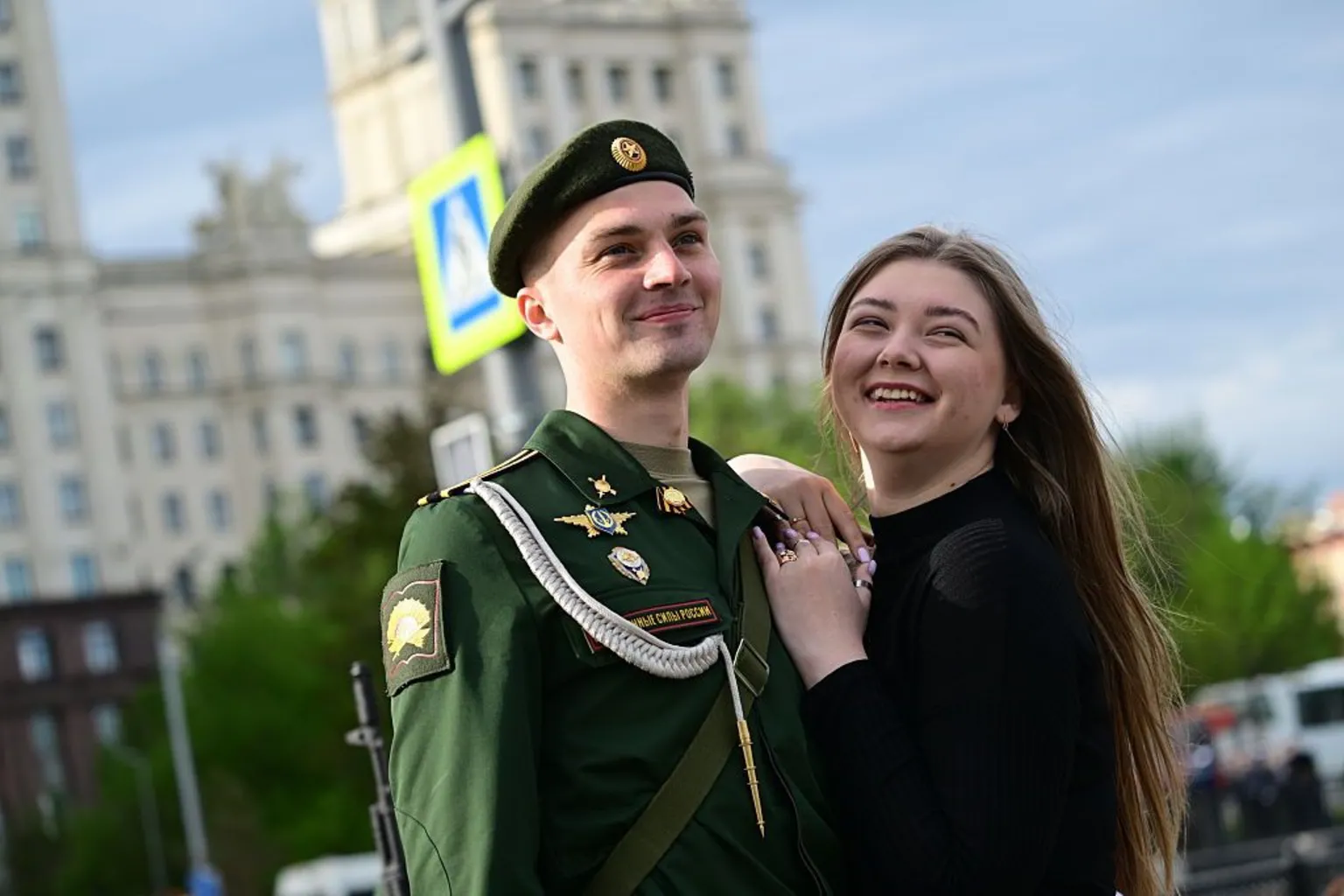
Celebrations extended across Russia’s vast geography. In Vladivostok, on the country’s Pacific coast, residents participated in an Immortal Regiment march honouring veterans of the Second World War. Some regional parades were expected to feature military vehicles, though predominantly older, World War Two-era equipment rather than modern weapons systems. A number of public celebrations elsewhere in Russia were cancelled altogether.
Putin Victory Day Parade: The Wider European Impact
The decision to remove contemporary military hardware from the Moscow parade carries symbolic weight beyond logistics. Red Square has historically been the stage on which Russia projects its armed might to domestic and international audiences alike. The absence of that imagery — replaced instead by live battlefield footage on state television — signals both the strain the war has placed on Russian military resources and the Kremlin’s effort to reframe the conflict as an ongoing, active sacrifice rather than a triumphant display of strength.
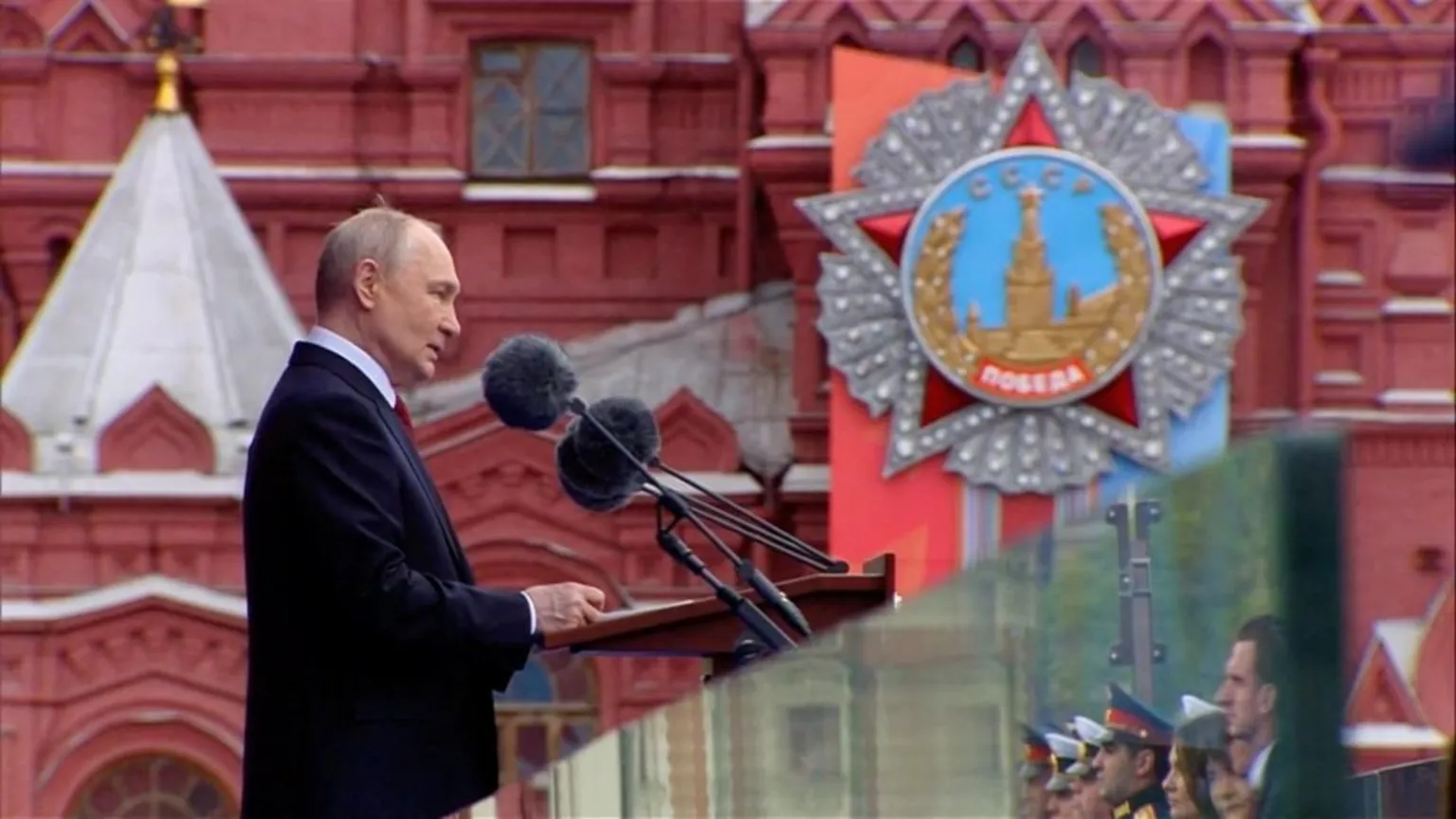
Putin’s speech drew a direct line between the Soviet victory over fascism in 1945 and the current campaign in Ukraine, a rhetorical device the Kremlin has employed consistently since 2022. By invoking the moral authority of the Second World War generation, Russian leadership continues to frame its military objectives in Ukraine as a continuation of historical necessity rather than territorial aggression — a framing rejected by Kyiv and most Western governments.
With the ceasefire already under strain and no substantive peace negotiations on the horizon, Friday’s ceremony underscored the degree to which Victory Day has become as much a statement about the present conflict as a commemoration of the past.