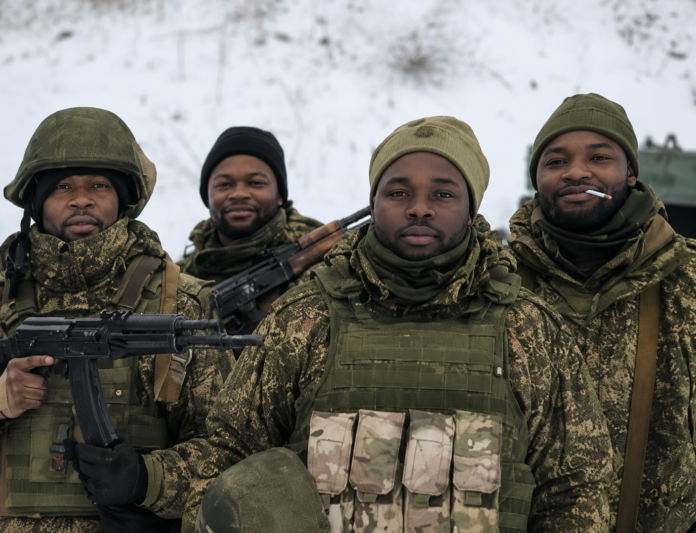
HARARE — Eighteen Zimbabwean citizens are dead. Their families are grieving. And the government can bring home only four of their bodies.
Zimbabwe Trafficking Network — That stark reality sits at the centre of a deepening crisis gripping Zimbabwe, as authorities confront an organised trafficking network that has been funnelling young men — many of them unemployed and desperate — into the meat grinder of Russia’s war in Ukraine.
In late March, four men appeared before the Harare Magistrates’ Court facing human trafficking charges. The accused — Obert Hlavati, Tonderai Maphosa, Tanaka Malcon Gwarada, and Edson Dudzayi Nyamudeza — are alleged to have conspired with a Russian national identified only as Ivan to traffic six Zimbabwean citizens to Russia, where they were destined for military service on the front lines of a war they had not agreed to fight.
Recommended Reading
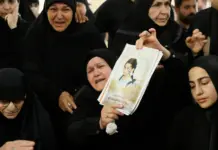
The human cost of this pipeline is already documented. Government spokesperson Nick Mangwana confirmed that Harare is working to repatriate four citizens killed in Ukraine, but severe documentation problems have made it impossible to recover the remaining 14 bodies. Families of the dead are left without closure, their loved ones buried — or not — in a foreign conflict zone thousands of kilometres away.
The mechanics of the recruitment operation are chilling in their efficiency. Traffickers use social media platforms to target young Zimbabweans, dangling promises of financial relief to men who have often spent years without stable employment. The reported sign-on bonus reaches as high as $37,000, with a monthly wage of approximately $4,000 — sums that represent life-changing money in an economy where formal work is scarce.
The reality upon arrival is radically different. Recruits are met at Russian airports by men in military uniform and transported directly to army barracks. Their passports are confiscated. Their phones are taken. What follows is a training period lasting anywhere from 10 days to one month, after which they are deployed. Many families back in Zimbabwe receive a single payment of around $2,000 routed through South Africa — and then nothing more.
The recruitment network is not confined to Zimbabwe’s borders. Targeting of potential recruits is also taking place in South Africa, where many Zimbabweans live and work as economic migrants. At the centre of the operation, investigators have identified a Zimbabwean man known as ‘Tshaka the Zulu’, originally from the Matobo region, who operates out of Moscow as a primary ringleader. He works alongside a Russian national known as ‘Poma’.
The human cost is visible in communities across Zimbabwe. Dumisani Sitshela spent years unemployed before attempting to build a life in South Africa. He returned home in December, then departed for Russia in January 2026 — without telling his family. A neighbour who made the same journey has already been killed in Ukraine. Sitshela’s fate remains unknown to those closest to him.
Zimbabwe Trafficking Network: The Broader African Context
Zimbabwean authorities have also moved to intercept recruits before they leave the country. Two brothers were stopped at Joshua Mqabuko Nkomo International Airport as they attempted to board a flight to Russia. The pair claimed they were travelling to attend a university open day in Moscow — a cover story authorities did not accept.
Minister of Information Zhemu Soda has pointed directly at predatory employment agencies as the primary vehicle for luring Zimbabweans into conflict zones, warning that traffickers are exploiting social media with increasing sophistication to reach vulnerable young people. An investigation by journalist Ezra Sibanda into the recruitment networks drew significant public attention in early March, helping to accelerate official action.
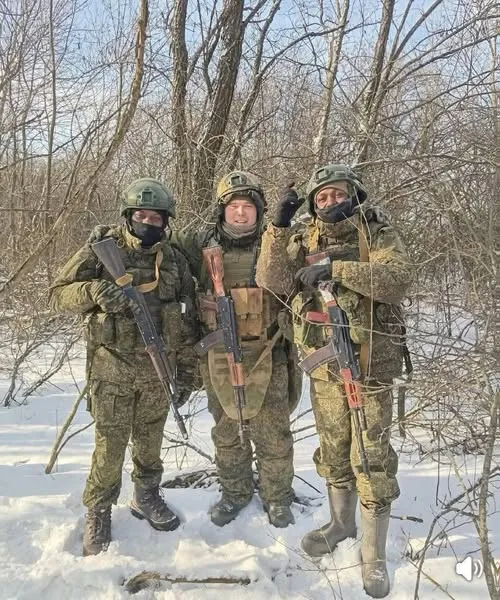
The prosecutions in Harare represent one of the most concrete legal responses to the crisis so far, but the scale of the problem suggests the network extends well beyond the four men currently facing charges. Russia has been waging full-scale war in Ukraine for four years, and its military has increasingly drawn on recruits from Africa and other regions to sustain its manpower.
For the families of the 18 Zimbabweans already confirmed dead, the prosecutions offer little immediate comfort. Documentation failures mean most of those men will not come home — not even in death. It is a bureaucratic tragedy compounding a human one, and a warning that the pipeline, unless dismantled entirely, will claim more lives before it is stopped.