Iran Hormuz Ceasefire — American forces struck Iranian missile installations and boats attempting to lay mines in Iran’s southern Hormozgan province on Monday, escalating tensions at a critical moment in ceasefire negotiations and drawing an immediate threat of retaliation from Tehran’s military leadership.
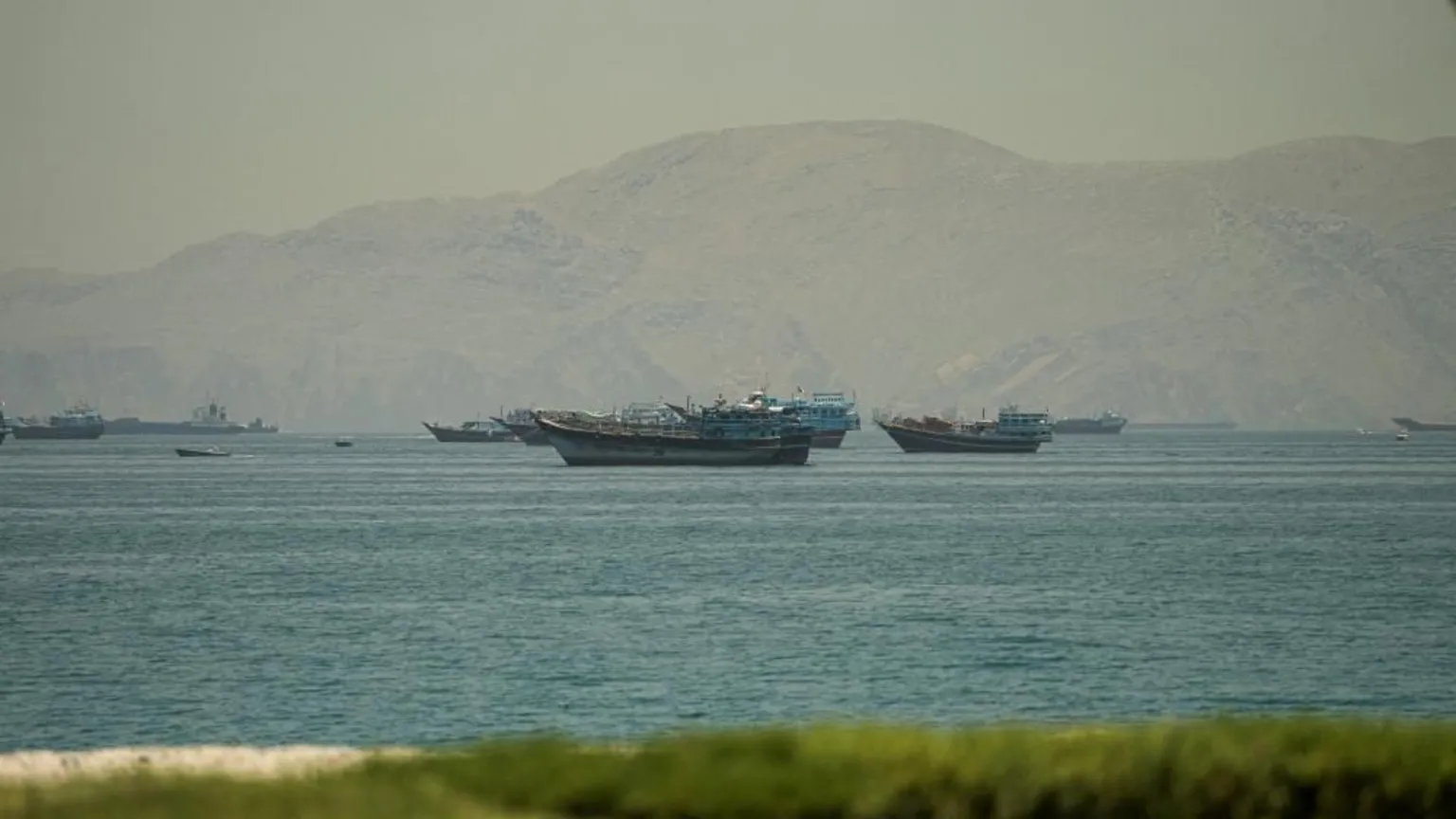
US Central Command described the operation as self-defence strikes designed to protect American troops from threats posed by Iranian forces. The targeted sites were located near Bandar Abbas, a southern port city home to a major Iranian naval base on the Strait of Hormuz. Local officials in Bandar Abbas confirmed they were investigating after explosions were heard in the area. Separately, a tanker reported an external explosion on its port side approximately 60 nautical miles from Oman’s capital, Muscat.
Iran’s foreign ministry condemned the strikes as a ‘gross violation’ of the ceasefire agreed on 8 April, which ended the initial phase of a war that began when the United States and Israel launched strikes on Iran on 28 February. The Islamic Revolutionary Guard Corps said it reserved the right to retaliate and claimed to have downed a US drone, adding that its air defence units also fired on a fighter jet it said had entered Iranian airspace over the Gulf region.
Recommended Reading
Seyed Majid Moosavi, commander of the Revolutionary Guard’s Aerospace Force, stated publicly that his forces were prepared to respond to the US strikes and were awaiting final orders from their commander-in-chief. Iran’s Supreme Leader Ayatollah Mojtaba Khamenei issued a stark warning, declaring: ‘The clock cannot be turned back, and the nations and lands of the region will no longer be a shield for American bases.’
The military confrontation unfolded even as Iranian negotiators were engaged in talks with Qatari mediators in Doha. Iran’s top negotiator and parliamentary speaker Mohammad Baqr Qalibaf, along with the foreign minister and central bank governor, met with Qatar’s prime minister on Monday. Discussions centred on Iran’s stockpile of highly enriched uranium, the future status of the Strait of Hormuz, and Tehran’s demand for the release of approximately $24 billion in frozen Iranian funds held abroad. The inclusion of the central bank governor underscored how central the frozen assets issue has become to any prospective agreement.
Iran indicated some progress had been made but cautioned that a deal ‘is not imminent.’ A framework under discussion would reportedly involve a 60-day ceasefire extension, the reopening of the Strait of Hormuz, and a structured plan for further negotiations over Iran’s nuclear programme. An initial agreement would also establish a 30-day framework governing movement through the strait. Secretary of State Marco Rubio said a deal remained possible but would ‘take a few days,’ while President Donald Trump instructed negotiators not to rush into an agreement. Trump, posting on Truth Social, said talks were going ‘nicely,’ and reiterated that his primary objective was preventing Iran from developing a nuclear weapon using highly enriched uranium.
Rubio was unambiguous about Washington’s position on the waterway, stating the Strait of Hormuz had to be open ‘one way or the other.’ Around one fifth of the world’s oil passes through the strait, and Iran’s blockade since the war’s outbreak has triggered an unprecedented oil supply shock, driving up global prices for fuel, fertiliser and food. Iran has selectively allowed some vessels to pass, giving preference to ships linked to countries it considers allies.
Iran Hormuz Ceasefire: Regional Implications
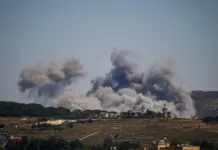
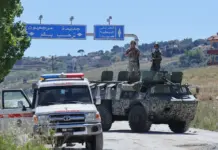
The conflict’s regional dimensions continued to widen. Israeli Prime Minister Benjamin Netanyahu announced Monday that Israel would intensify its strikes against Hezbollah in Lebanon. Lebanon’s Ministry of Public Health reported that 12 people were killed in Israeli overnight strikes on the town of Mashghara. The escalation in Lebanon prompted warnings from analysts that the broader conflict could draw in additional actors. Mohammad Eslamy, an analyst at the University of Tehran, said Iran could strike the United Arab Emirates again if Israel continued its bombing campaign in Lebanon.
Lorenzo Kamel, a professor of history at the University of Turin, argued that any durable US-Iran peace agreement would require Washington to ‘rein in’ Netanyahu, whose continued military operations risk unravelling diplomatic progress. Pakistan has served as the primary mediator throughout the peace process, with Qatar playing a complementary role in the current round of talks.
The strikes near Bandar Abbas mark at least the second notable military clash during the ceasefire period, following an earlier incident in May. With negotiations at a delicate stage and military commanders on both sides signalling readiness for further action, the path to a lasting settlement remains narrow and fraught.