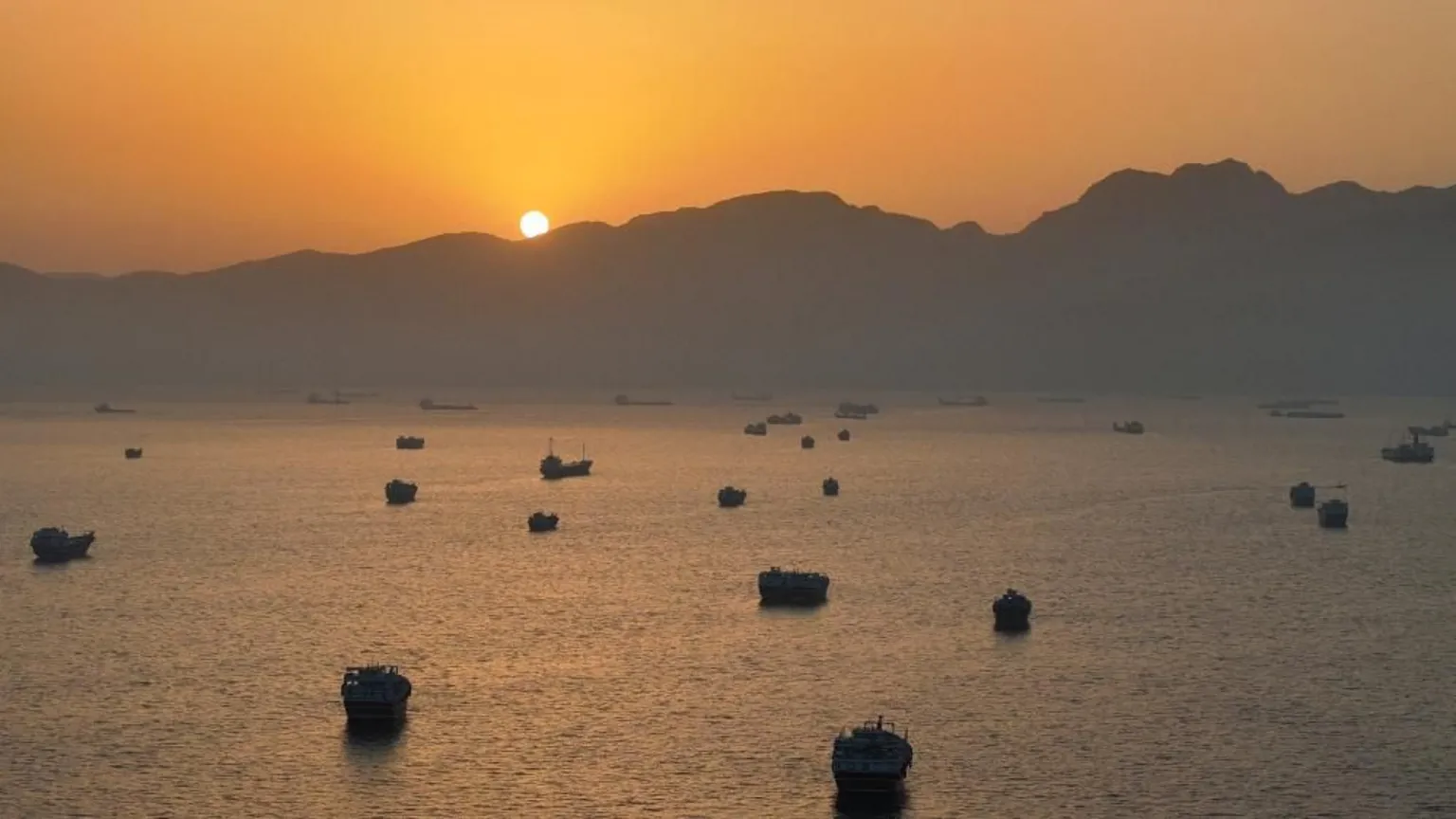
Iran Hormuz Closure — A ceasefire announced on 8 April between the United States and Iran has brought neither peace nor stability to the Persian Gulf. Military exchanges between the two sides have continued despite the agreement, and the Strait of Hormuz — the narrow chokepoint through which roughly a fifth of the world’s oil and gas normally flows — remains effectively closed, with only a trickle of vessels passing through.
Iran shut the strait after a combined US and Israeli military strike on 28 February, a move that has since sent shockwaves through global energy markets. The world has lost approximately 20% of its usual oil and gas supply as a result, a disruption of historic proportions. Although the United States no longer depends on Gulf crude, American petrol prices are set by the global market, meaning consumers at the pump are feeling the consequences regardless.
Both Washington and Tehran have signalled a preference against resuming full-scale hostilities. Yet the conditions for a durable settlement remain elusive. Pakistan and Qatar are serving as mediators, with the immediate diplomatic objectives focused on cementing the ceasefire and agreeing on a memorandum of understanding as a foundation for wider negotiations. Iranian officials are understood to be weighing demands for sanctions relief or the unfreezing of assets as the price for reopening the strait — a concession that would carry enormous symbolic and political weight in Washington.
Recommended Reading
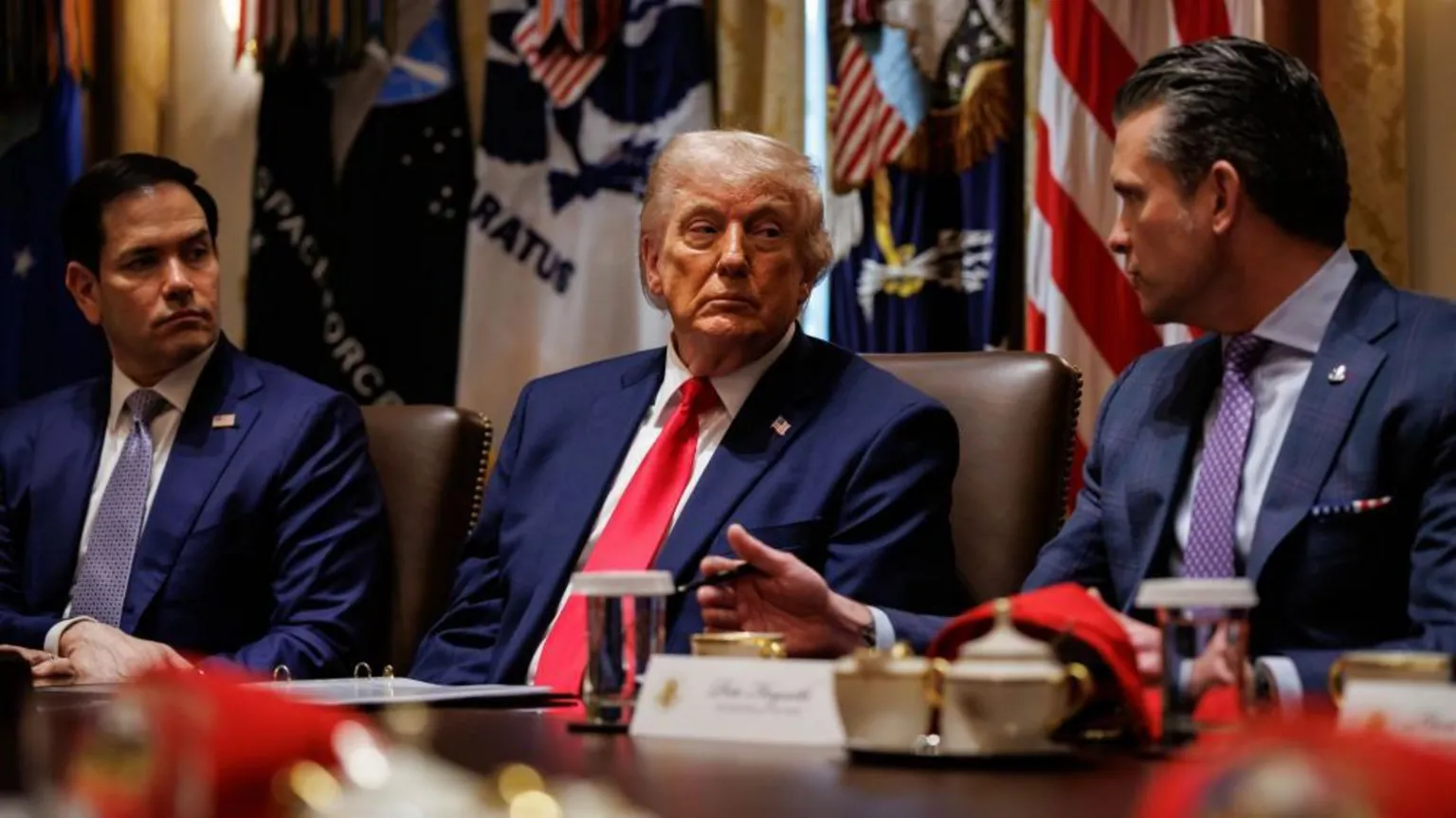
Donald Trump and Benjamin Netanyahu entered the conflict expecting a swift and decisive outcome. That calculation has proved badly mistaken. Trump fatally underestimated the depth of the Islamic Republic’s willingness and capacity to resist — a regime that has endured nearly half a century of war, international sanctions, and isolation without collapse. The war is now deeply unpopular inside the United States, compounding the political pressure on the administration to find an exit.
The irony is acute. Trump spent years condemning the 2015 nuclear agreement negotiated under Barack Obama, and withdrew the United States from it during his first term. He now finds himself compelled to pursue a diplomatic framework with Tehran under circumstances far more costly and chaotic than those his predecessor faced.
The regional picture has grown more complex. Saudi Arabia has launched its own strikes against Iran, framing them as retaliation for Iranian attacks. Senior Saudi officials have been explicit in communicating to Tehran that Riyadh was acting independently, not as an extension of the US-Israeli coalition — a distinction that reflects the kingdom’s desire to manage its own strategic equities in a rapidly shifting environment.
The United Arab Emirates, meanwhile, has moved in the opposite direction, deepening its alignment with Israel. Israeli Defense Forces soldiers are now operating Iron Dome missile defence batteries on Emirati soil, a deployment that would have been unthinkable just years ago and that underscores how profoundly the region’s security architecture has been redrawn.
Iran Hormuz Closure: The Energy Security Dimension
The economic consequences of the Hormuz closure are being managed, imperfectly, through alternative routes. Saudi Arabia is pumping oil overland to its Red Sea ports, bypassing the strait entirely. The UAE is routing exports through a pipeline to terminals on its coast facing the Gulf of Oman. These workarounds provide partial relief but cannot fully replace the volume that ordinarily moves through the world’s most consequential maritime chokepoint.
The US military retains formidable assets in the region — powerful naval and air forces positioned within striking distance of Iran — but their presence has not translated into leverage sufficient to force a rapid resolution. The standoff has instead settled into an uncomfortable equilibrium: neither side willing to escalate decisively, neither yet able to agree on terms for de-escalation.
What emerges from the wreckage of miscalculation is a diplomatic challenge of the first order. The ceasefire is real but brittle. The economic pain is mounting on all sides. And the Islamic Republic, as it has demonstrated repeatedly across decades of external pressure, has not broken. The coming weeks of mediated talks will determine whether the Strait of Hormuz reopens through negotiation — or whether the fragile quiet gives way once more to open conflict.