Uk Russian Fuel Sanctions — The United Kingdom has quietly loosened its sanctions regime against Russia, issuing a trade licence that permits the import of Russian crude oil refined in third countries — a significant policy shift that has ignited domestic political controversy and exposed fractures within the Western alliance.
The licence, which came into effect on Wednesday and is of indefinite duration, allows British importers to purchase jet fuel and diesel derived from Russian crude that has been processed through intermediary nations such as India and Turkiye. The UK’s Department for Business and Trade confirmed the arrangement will be subject to periodic review. A separate temporary licence easing restrictions on liquefied natural gas originating from certain Russian plants was also issued.
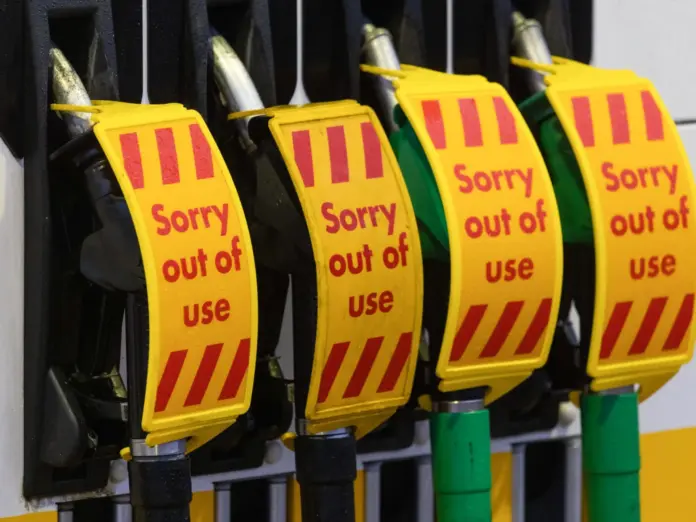
The decisions arrive at a moment of acute pressure on global energy markets. The ongoing war against Iran and the prolonged closure of the Strait of Hormuz have sent fuel prices surging, forcing Western governments to weigh their commitment to punishing Moscow against the economic realities facing consumers and industry.
Recommended Reading
UK Treasury minister Dan Tomlinson defended the measures, characterising them as time-limited and narrowly scoped. The government has sought to frame the licences as a pragmatic response to an extraordinary energy shock rather than a retreat from its broader sanctions posture.
That argument has found little traction with the opposition. Kemi Badenoch, leader of the Conservative Party, accused the Labour government of acting without transparency, stating that the licence permitting imports of Russian oil refined in third countries had been issued quietly. Her criticism underscores the political sensitivity of any perceived softening toward Moscow, particularly given the UK’s prominent role as one of Ukraine‘s most steadfast supporters since Russia’s full-scale invasion in 2022.
The UK is not alone in recalibrating its approach. The United States extended a sanctions waiver on Monday — for the second time — covering Russian oil cargoes already at sea, citing the same Iran-driven supply squeeze. That decision drew an immediate rebuke from the European Union. At a meeting of G7 finance ministers on Tuesday, EU economy commissioner Valdis Dombrovskis declared it was not a time to ease pressure on Russia, signalling growing unease in Brussels over the direction of allied policy.
The internal G7 tension is notable given that finance ministers from the United States, the UK, and other member states issued a joint statement on the same day reaffirming their commitment to imposing severe costs on Russia for its continued aggression in Ukraine. The simultaneous issuance of that statement and the EU’s public criticism of Washington’s waiver extension illustrated the contradictions now straining the coalition’s unified front.
Uk Russian Fuel Sanctions: The Energy Security Dimension
Since 2022, Western sanctions have targeted Russian oil exports and more than 3,000 individuals and companies, representing one of the most sweeping economic pressure campaigns in modern history. The architecture of those measures was designed to starve the Kremlin of the revenues needed to sustain its military campaign. Critics of the recent waivers argue that allowing Russian crude to re-enter Western supply chains through third-country refining — a practice sometimes described as "sanctions laundering" — undermines the structural integrity of that effort.
Proponents counter that the alternative — allowing domestic fuel shortages and price spikes to deepen — carries its own strategic risks, potentially eroding public support for continued aid to Kyiv. The UK government’s position appears to rest on this calculation, even as it insists the measures are exceptional and temporary in nature.
The episode highlights a broader dilemma confronting Western governments as the conflict in Ukraine enters its fourth year and a new energy crisis, unrelated in origin to the war, compounds existing pressures. Maintaining sanctions discipline while managing the economic fallout from multiple simultaneous crises is proving an increasingly difficult balancing act — one that Russia’s adversaries will need to navigate with greater coordination if the coalition’s leverage over Moscow is to remain intact.