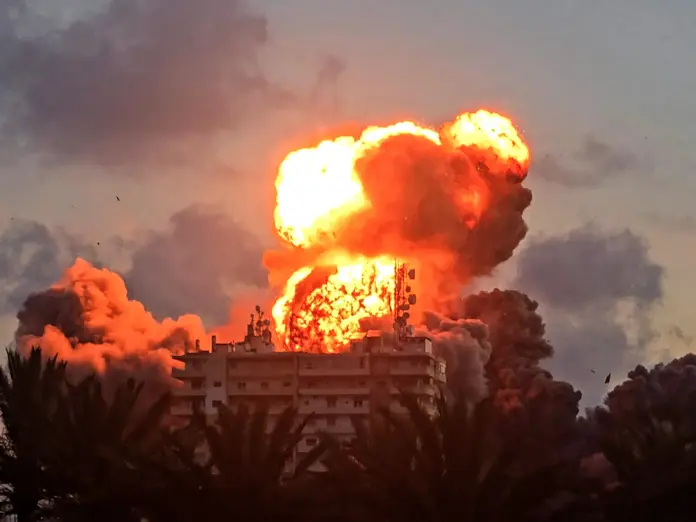
BEIRUT — Israeli forces launched a sweeping military offensive across Lebanon on Wednesday, killing at least 16 people and wounding 58 others, striking the capital’s southern suburbs for the first time in three weeks and issuing mass evacuation orders that sent thousands of civilians fleeing northward under threat of attack.
Israel Strikes Beirut — Among the dead were six members of the same family, killed in an Israeli drone strike as they attempted to escape at dawn along the Adloun Highway, a critical coastal road connecting the cities of Sidon and Tyre. The strike on the fleeing family underscored the acute dangers facing civilians caught between Israeli military operations and rapidly shrinking safe corridors in the south.
A Lebanese army soldier was also killed in a strike near Nabatieh, adding to a growing toll of military casualties. Multiple Lebanese soldiers have died in recent days in strikes spanning southern Lebanon and the western Beqaa Valley, according to Lebanese health authorities.
Recommended Reading
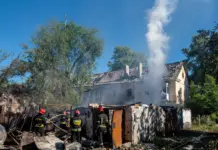
In Tyre, more than a dozen strikes hit the city and its surrounding areas between midnight and dawn, with Israeli jets targeting a building and a cafe and setting off fires that burned through the night. The scale and pace of the bombardment marked a significant escalation, with Israeli military operations intensifying sharply over the preceding 48 hours.
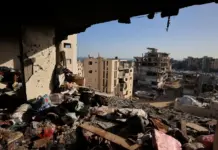
The most politically charged strike came in southern Beirut, where Israeli fighter jets hit an apartment building in a neighbourhood where Hezbollah maintains a strong presence. Israeli media characterised the attack as an assassination attempt. The Israeli military offered no public comment on the strike. The attack was the first on the Lebanese capital in three weeks and came despite reported pressure from the United States on Israel to refrain from targeting Beirut.
Israel simultaneously issued sweeping displacement orders covering large portions of southern Lebanon, including Tyre and surrounding communities. Residents were instructed to evacuate immediately and move north of the Zahrani River, located approximately 40 kilometres — about 25 miles — from the Lebanon-Israel border. The orders triggered mass civilian movement, with thousands abandoning their homes under the threat of imminent strikes.
The International Committee of the Red Cross issued a stark warning, stating that Israel’s large-scale forced displacements combined with continued aerial bombardment are placing civilians at severe and mounting risk. Humanitarian organisations have grown increasingly alarmed as the conflict’s geographic scope widens and civilian infrastructure comes under repeated attack.
Israel Strikes Beirut: Regional Implications
The violence erupted despite a United States-brokered ceasefire that took effect last month but has demonstrably failed to halt hostilities. The current confrontation between Israel and Lebanon began in early March. Washington-mediated technical discussions between the two sides were scheduled to resume Thursday, with broader negotiations set for early June — timelines that now appear increasingly fragile given the scale of Wednesday’s strikes.
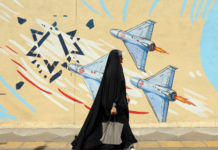
Iran expressed what it described as "resolute support" for Hezbollah amid the escalating campaign, a declaration that signals Tehran’s continued backing for the Lebanese militant group even as diplomatic efforts attempt to contain the conflict.
The combination of targeted strikes, mass displacement orders, and the resumption of attacks on Beirut represents a marked hardening of Israel’s military posture in Lebanon. With ceasefire negotiations stalled and civilian casualties mounting, the path toward a durable halt to the violence appears increasingly uncertain.