Israel Strikes Beirut — Israeli Prime Minister Benjamin Netanyahu has ordered fresh strikes on Dahieh, the southern Beirut suburb that serves as the political and military heartland of Hezbollah, as a US-brokered ceasefire collapses and the conflict in Lebanon deepens into one of the most destructive in the region’s recent history.
Netanyahu framed the strikes as a direct response to continued attacks on Israeli civilians and what he described as systematic violations of a ceasefire agreement announced in April. That deal, mediated by Washington, has failed to halt the fighting on either side of the border.
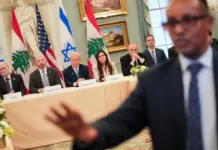
On Sunday, US Secretary of State Marco Rubio held separate calls with Netanyahu and Lebanese President Joseph Aoun, proposing a framework under which Lebanese officials would pressure Hezbollah to cease its rocket fire into Israel. In exchange, Israel would refrain from further escalation in Beirut. Senior Lebanese government officials indicated the country was placing its hopes on American mediation, but no agreement had been reached.
Recommended Reading
The diplomatic push came as Israeli ground forces extended their reach inside Lebanon, crossing the Litani river — a boundary long considered a red line in the conflict — and seizing Beaufort Castle, a 900-year-old fortress perched on a strategically commanding ridge in southern Lebanon. The castle’s capture underscored the scale of Israel’s territorial ambitions in the campaign.
Israeli Defence Minister Israel Katz made clear that no withdrawal was imminent. The campaign was "not over," he said, adding that Israel was "determined to crush Hezbollah’s power." Lebanese Prime Minister Nawaf Salam responded with fury on Saturday, accusing Israel of pursuing a "scorched-earth policy and collective punishment" against the Lebanese people.
The war traces its origins to 2 March, when an Israeli strike killed Iran’s supreme leader — a seismic escalation that immediately drew Lebanon into the conflict. Hezbollah, the Iran-backed armed group, launched rockets into Israel in retaliation that same day. Israel responded with a sweeping air campaign across Lebanon, followed by a ground invasion that has since expanded significantly.
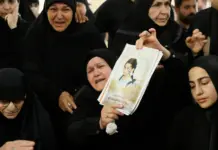
The human cost has been severe and asymmetric. Lebanon’s health ministry reports at least 3,371 people killed since the war began, a figure that does not distinguish between combatants and civilians. Israel has reported 24 soldiers and four civilians killed over the same period across both sides of the border.
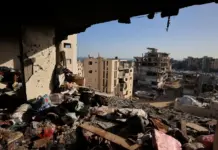
Dahieh, the neighbourhood now under Israeli bombardment, has long been considered the nerve centre of Hezbollah’s operations in Beirut. Strikes there carry both military and symbolic weight, signalling Israel’s intent to strike at the group’s institutional infrastructure rather than limit operations to the south.
Israel Strikes Beirut: Regional Implications
The broader regional context looms large. Hezbollah’s decision to enter the conflict following the killing of Iran’s supreme leader reflected the group’s role as Tehran’s most capable proxy force. With Iran itself reeling from that strike, the extent to which it can direct or sustain Hezbollah’s campaign remains uncertain. What is clear is that the Iran-backed group has continued to fire rockets into Israeli territory despite mounting losses.
Lebanon’s government, led by Prime Minister Salam and President Aoun, finds itself in a precarious position — nominally sovereign over territory where a powerful armed group operates independently of state authority, and now subject to an Israeli military campaign that has killed thousands and displaced many more. Salam’s accusation of collective punishment reflects a growing international unease about the conduct of the Israeli offensive, even as Israel insists its operations are targeted at Hezbollah’s military capacity.
With ground forces now north of the Litani and strikes hitting Beirut’s suburbs, the conflict has moved well beyond the parameters envisioned by the April ceasefire. Whether Rubio’s latest diplomatic intervention can produce a durable halt — or whether the fighting will continue to escalate — remains the central question facing the region.