Iran Nuclear Talks — A cascade of diplomatic and military developments is reshaping the Middle East’s volatile landscape, as the United States simultaneously pursues nuclear talks with Iran, brokers a fragile ceasefire extension in Lebanon, and confronts a deepening standoff over one of the world’s most critical maritime chokepoints.
Iran Nuclear Diplomacy
Iranian Foreign Minister Abbas Araghchi disclosed during a BRICS ministerial meeting that Tehran had received direct communication from the Trump administration expressing openness to renewed nuclear negotiations. The outreach marks a notable shift in tone, though a fundamental deadlock persists over the fate of Iran’s stockpile of enriched nuclear material — a sticking point that has derailed previous diplomatic efforts.
Recommended Reading
President Donald Trump has floated a sweeping proposal: Iran could suspend its civilian nuclear programme for two decades in exchange for a broader agreement, contingent on Tehran demonstrating genuine commitment. The suggestion underscores Washington’s ambition for a more comprehensive deal than the 2015 accord it abandoned, but Iranian officials have yet to publicly endorse the framework.
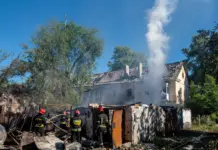
The diplomatic overture comes against a backdrop of devastating physical destruction. The municipal government of Iran’s capital reported that US-Israeli strikes caused at least 650 impact incidents, killing more than 1,260 people and wounding at least 2,800 others. Property damage was extensive — roughly 51,000 homes were affected, along with more than 10,700 vehicles and 754 motorcycles, including nearly 150 taxis.
Lebanon Ceasefire Extended Amid Continued Strikes
The US State Department brokered a 45-day extension of the Lebanon-Israel ceasefire, pushing the cessation of hostilities to April 16 after intensive talks in Washington. Lebanon’s delegation characterised the extension and the accompanying US-facilitated security track as a foundation for lasting stability in the country.
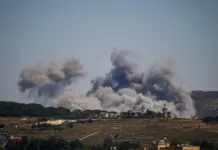
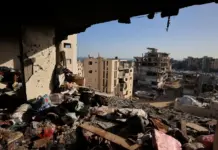
Yet the ceasefire’s durability is already under strain. At least 12 people were killed in Lebanon on Friday, among them three paramedics. An Israeli strike hit a building in the southern city of Tyre despite the truce extension, and the Israeli military issued evacuation orders for residents of nine towns and villages in southern Lebanon — including Ansar, al-Marwaniyah, and al-Baysariyah — ahead of planned operations.
The Israeli military reported its forces killed more than 220 Hezbollah fighters and struck over 440 targets across southern Lebanon during the past week alone. Since renewed air raids and a ground invasion began on March 2, Lebanon’s Ministry of Public Health has recorded at least 2,951 deaths and 8,988 wounded.
Strait of Hormuz and Energy Security
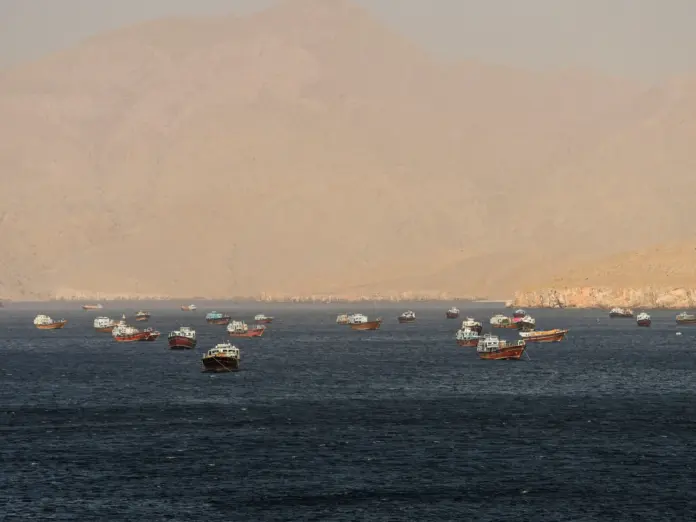
Tensions over the Strait of Hormuz are generating parallel diplomatic and commercial responses. Iran has begun permitting additional vessel transits through the strait from countries that have accepted new legal protocols Tehran has put forward — a move that could ease short-term shipping pressures while reinforcing Iran’s leverage over global energy flows.
China’s UN envoy Fu Cong signalled that Beijing would likely oppose a US-backed UN Security Council resolution concerning the strait, adding a great-power dimension to what has largely been a regional standoff. The prospect of a Chinese veto complicates Washington’s ability to use multilateral mechanisms to constrain Iranian maritime policy.
Iran Nuclear Talks: Regional Implications
The United Arab Emirates is moving aggressively to reduce its own exposure to Hormuz disruptions. State energy giant ADNOC will accelerate construction of a new pipeline from Abu Dhabi to Fujairah, designed to double the UAE’s oil export capacity outside the strait by 2027, with initial operations expected to begin next year.
Iran-Linked Terror Network Dismantled
US prosecutors charged Mohammad Baqer Saad Dawood al-Saadi, an Iraqi national described as a senior figure within Kataib Hezbollah with direct links to Iran’s Islamic Revolutionary Guard Corps. Al-Saadi faces allegations connected to at least 18 attacks and attempted attacks across Europe and Canada. The FBI confirmed he was arrested in Turkiye before being transferred to US custody, a development that highlights the transnational reach of Iran-backed militant networks even as diplomacy with Tehran advances.
Palestinian Rights in Focus
On Capitol Hill, US Congresswoman Rashida Tlaib delivered a speech commemorating the Nakba, the mass displacement of Palestinians in 1948. Tlaib argued that Palestinian dispossession did not end that year and called on Congress to recognise the Palestinian right of return — a statement that drew attention amid the broader regional crisis and ongoing debates over US policy toward the Israeli-Palestinian conflict.
Taken together, the developments paint a picture of a Middle East in which diplomacy and military action are advancing simultaneously, often in direct tension with each other. Whether the nuclear overture to Tehran, the Lebanon ceasefire extension, or the Hormuz standoff ultimately defines the region’s trajectory will depend heavily on decisions made in Washington, Tehran, and Beijing in the weeks ahead.