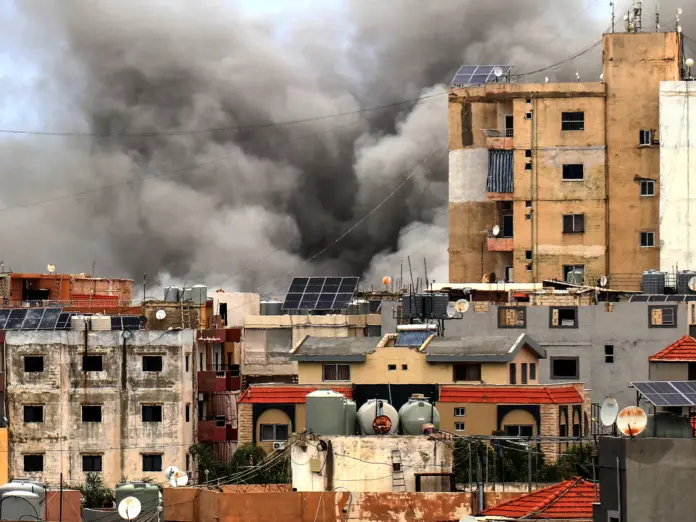
Israel-Lebanon Ceasefire — Israel and Lebanon agreed Friday to extend their ceasefire by 45 days, buying time for diplomatic efforts to stabilise a conflict that has killed thousands and displaced more than one million people — even as fresh Israeli strikes claimed at least seven lives across southern Lebanon on the day the deal was sealed.
US State Department spokesperson Tommy Pigott announced the extension following two days of direct negotiations in Washington DC, the third such round of talks between the two countries this year. The original ceasefire, brokered by President Donald Trump and announced on April 16, was set to expire Sunday.
Lebanon dispatched Presidential Special Envoy Simon Karam to the Washington talks, while Israel was represented by Deputy National Security Adviser Yossi Draznin. Israel’s Ambassador to the United States, Yechiel Leiter, described the discussions as "frank and constructive." The State Department said a security track involving military delegations from both countries will convene at the Pentagon on May 29, with political negotiations scheduled for June 2 and June 3.
Recommended Reading
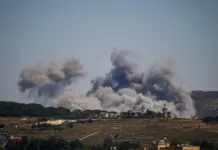
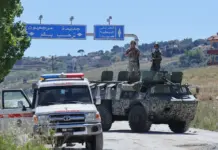
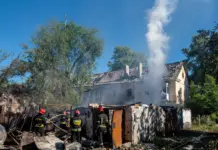
The diplomatic progress, however, unfolded against a backdrop of continued bloodshed. On Friday, a drone strike on a car in Nabatieh killed two men — identified as Mohammed Ahmed Abu Zaid and Jamal Noureddine — who were collecting humanitarian aid at the time. Three ambulances were damaged in the same strike. Three more people died in a drone attack in Harouf, two others were killed in Tabeen, and Israeli strikes in the Tyre district injured 37 people. Israel also issued forced evacuation orders for five villages in southern Lebanon. Hezbollah carried out several drone attacks on Israeli forces in Lebanon and northern Israel in response.
The violence is part of a pattern that has persisted since the April ceasefire took effect. Near-daily exchanges of fire between Hezbollah and Israeli forces have continued across the southern border, and Israel has intensified air and artillery strikes in recent days. Lebanon’s Ministry of Health reported that 2,951 people have been killed in Israeli attacks since fighting reignited on March 2. Israel has lost 20 soldiers in the same period, including one killed Friday.
The current round of fighting began on March 2, two days after the United States and Israel launched a joint attack on Iran, prompting Hezbollah to fire rockets into northern Israel. Since a previous ceasefire reached in November 2024, Israel had struck Lebanon more than 10,000 times, killing approximately 400 people before the most recent escalation. On Wednesday alone, Lebanese health authorities reported that Israeli air strikes killed 22 people, including eight children, across the south.
The two sides remain far apart on core issues. Lebanon is demanding that Israel fully end its attacks and withdraw from occupied Lebanese territory, and has refused to arrange a meeting between President Joseph Aoun and Israeli Prime Minister Benjamin Netanyahu. Israel, for its part, is focused on the disarmament of Iran-backed Hezbollah and says it is working to establish a buffer zone in southern Lebanon to prevent future attacks — tactics human rights groups have compared to Israeli military operations in Gaza, with some cases described as potentially constituting war crimes. Israel denies both targeting civilians and paramedics, and rejects the war crimes allegations.
Israel-Lebanon Ceasefire: Regional Implications
Lebanon’s health ministry has accused Israeli forces of deliberately striking civilians and emergency responders. Israel maintains it targets only Hezbollah fighters and infrastructure.
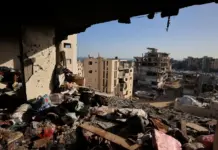
The humanitarian toll extends well beyond the death count. More than one million people — roughly one in five of Lebanon’s population — have been displaced, the majority from the south, the eastern Bekaa Valley, and the southern suburbs of Beirut known as Dahieh. Southern Lebanon is the heartland of the country’s Shia community, from which Hezbollah draws most of its support, and entire villages in the region have been destroyed.
The 45-day extension provides a narrow window for negotiators to make progress on the fundamental disagreements that have kept the conflict alive. Whether the upcoming Pentagon security talks and June political sessions can bridge those gaps — while strikes and drone attacks continue on both sides — remains deeply uncertain.