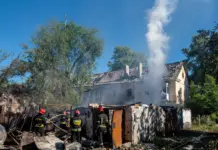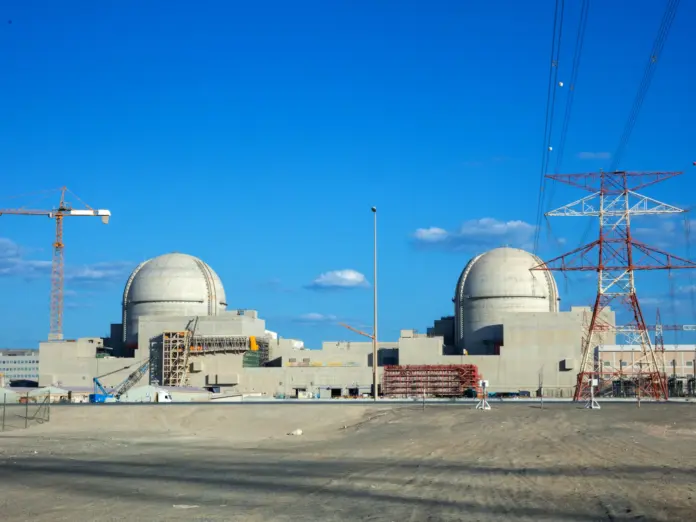
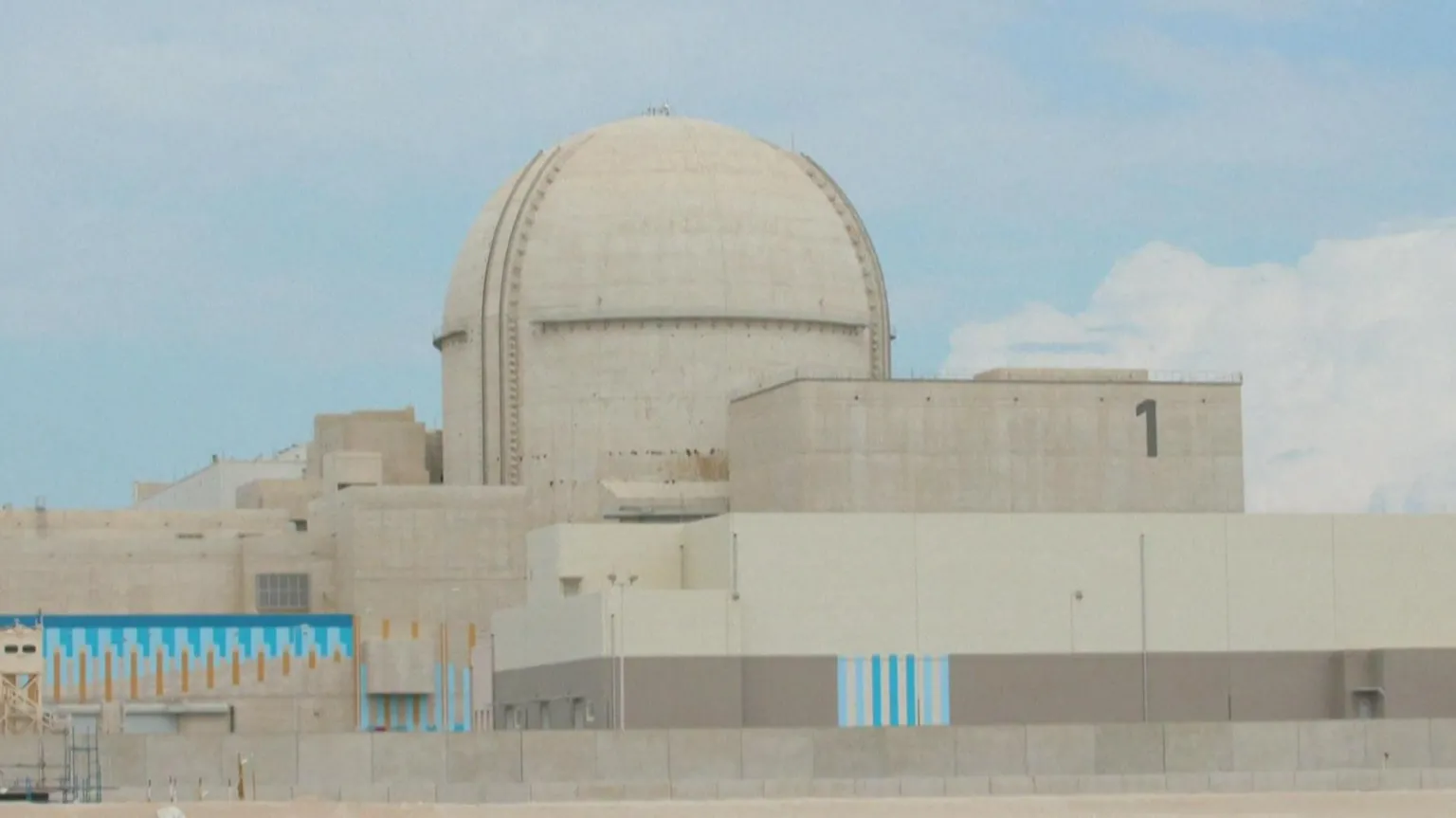
Barakah Nuclear Plant Drone Strike — A drone strike ignited a fire at an electrical generator on the outer perimeter of the Barakah Nuclear Energy Plant in the UAE’s Al Dhafra region on Sunday, in an attack that drew sharp condemnation from Emirati authorities and prompted alarm from the United Nations’ nuclear watchdog.
Three drones entered UAE airspace from the western border, according to the country’s Defence Ministry. Air defences successfully intercepted two of them, but the third struck an electrical generator located outside the plant’s inner perimeter. No injuries were reported, and local authorities confirmed that radiological safety levels remained entirely normal. The plant, situated approximately 225 kilometres west of Abu Dhabi, continued operating without interruption.
The International Atomic Energy Agency (IAEA) confirmed, however, that the strike was not without consequence. One reactor at the facility was forced to temporarily switch to emergency diesel generators following damage to the external power supply. IAEA Director General Rafael Grossi expressed grave concern about the incident, with the agency stating it was monitoring the situation closely. The Barakah plant holds particular strategic significance as the first nuclear power station ever constructed on the Arabian Peninsula.
Recommended Reading
The UAE’s Foreign Ministry condemned the strike as an unacceptable act of aggression, rejecting what it described as Iranian attempts to justify attacks on Emirati territory. The ministry reaffirmed that the UAE reserves the right to respond to any threats against its sovereignty and infrastructure.
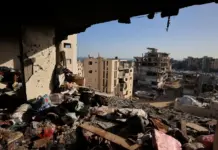
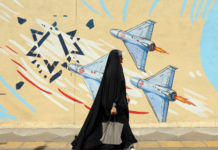
Sunday’s strike is the latest in a series of attacks the UAE has endured since a broader regional conflict erupted on February 28, when the United States and Israel launched military operations against Iran. Tehran responded by initiating strikes across the region, accusing Gulf states — including the UAE — of allowing American forces to operate from their territory. The UAE has consistently denied playing an active offensive role in the conflict.
The violence has not been confined to the nuclear facility. Last week, Emirati officials accused Iran of launching missiles and drones at the port city of Fujairah, where three Indian nationals were injured and a fire broke out at an oil facility in the Fujairah Oil Industry Zone. Iran has previously warned that nations hosting US military bases or Israeli-linked interests risk becoming targets.
Tensions have persisted despite a ceasefire agreement announced on April 8 between Washington and Tehran. Sporadic exchanges of fire have continued since the truce was declared, and President Donald Trump acknowledged on Monday that the agreement was on what he called "massive life support." Trump simultaneously rejected Iranian demands to formally end the war and reopen the Strait of Hormuz, which has been effectively closed to shipping since hostilities began in February.
Barakah Nuclear Plant Drone Strike: The Nuclear Dimension
The security architecture around the UAE has been reinforced in recent weeks. US Ambassador to Israel Mike Huckabee confirmed that Israel deployed Iron Dome air defence systems and personnel to the UAE to bolster its protection against incoming projectiles. Separately, reports circulated that Israeli Prime Minister Benjamin Netanyahu made a secret visit to the UAE during the conflict — a claim the UAE denied.
The attack on Barakah raises urgent questions about the vulnerability of civilian nuclear infrastructure in active conflict zones. The IAEA has long maintained that nuclear facilities must be protected from military action under international law, and Grossi’s public expression of grave concern signals the agency’s readiness to escalate its diplomatic engagement over the incident. With the ceasefire fraying and both sides trading accusations, the prospect of further strikes on critical infrastructure across the Gulf remains a pressing concern for regional stability.