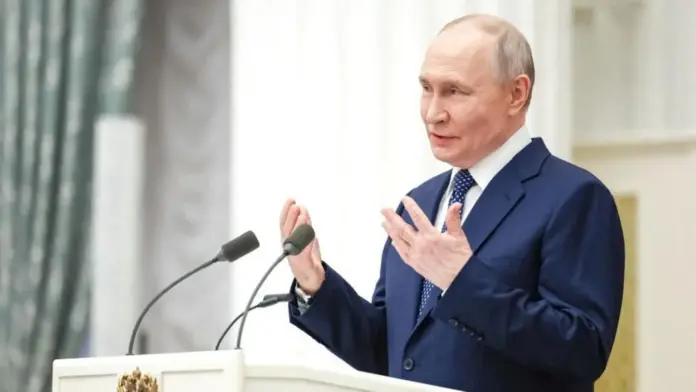
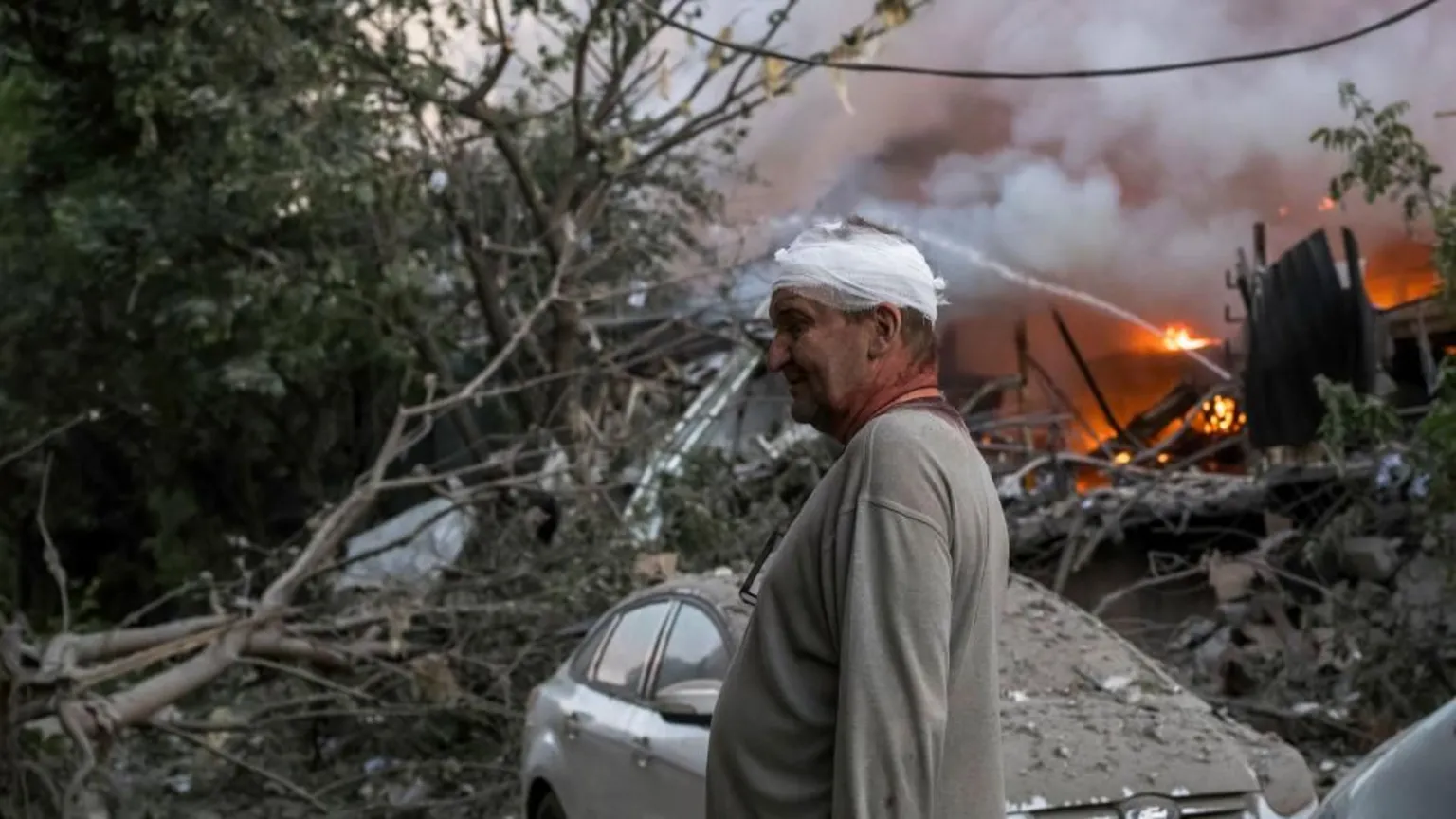
Russia War Aims — Russia opened the St Petersburg International Economic Forum this week with a show of diplomatic reach and nationalist pageantry, drawing delegations from more than 130 countries and territories — even as its military launched a massive missile and drone barrage across Ukraine on the night before the event began.
The juxtaposition was stark. Inside the Kremlin, folk singer Nadezhda Babkina received a state award from President Vladimir Putin, telling the assembled audience that ‘Russia will never surrender thanks to our remarkable, multi-ethnic genetic code.’ Foreign Minister Sergei Lavrov, in a separate interview, offered his own defiant formulation: ‘Russia is what it is, and we’re not ashamed of showing it.’
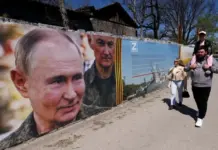
Putin is expected to deliver the forum’s keynote address and meet with chief editors of major international news agencies — a platform the Kremlin has used in past years to project an image of Russia as an indispensable global partner, even as Western sanctions and battlefield setbacks have taken a mounting toll.
Recommended Reading
The war, which began with Russia’s full-scale invasion of Ukraine in February 2022, has now entered its fifth year with no resolution in sight. Putin continues to demand that Ukraine cede control of the entire Donbas region, a condition Kyiv has flatly rejected. Yet a candid assessment published in the journal Russia In Global Affairs by political scientist Vasily Kashin acknowledged that eliminating what he called the ‘anti-Russian regime’ in Kyiv would require the complete military occupation of Ukraine — a goal he described as ‘technically impossible’ for Russia to achieve.
The admission, coming from within Russia’s own analytical establishment, reflects a growing unease that has begun surfacing in pro-Kremlin media. The tabloid Moskovsky Komsomolets quoted political commentator Alexander Nosovich describing deep divisions among experts over whether to continue the war. A separate piece by lawyer Dmitry Krasnov, which argued that lost wars and humiliating truces have historically driven Russian reform and national renewal, was subsequently removed from the publication’s website, replaced by an ‘Error 404’ message.
Russia’s economic and military position has deteriorated significantly since the invasion began. The country’s budget deficit has been widening, economic growth has stagnated, and technological decline has accelerated under the weight of international sanctions. On the battlefield, losses have been severe. The annual Victory Day parade on Red Square on 9 May was scaled back this year, with officials citing air defence concerns — a telling sign of how the conflict has reshaped even the most symbolically important events in the Russian calendar.
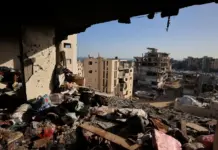
Ukrainian drone strikes have reached deep into Russian territory with increasing regularity. Last month, a large-scale drone attack struck the Moscow region, and Ukrainian forces have repeatedly targeted Russian oil refineries and energy infrastructure. In Starobilsk, in Russian-occupied eastern Ukraine, Ukraine’s military claimed a strike on the headquarters of Russia’s elite Rubicon drone unit. Russian-installed authorities reported that 21 students were killed when a college dormitory was hit in the same city — a claim that underscored the human cost of fighting in occupied territories.
Russia War Aims: The Wider European Impact
On the diplomatic front, hopes for a negotiated settlement have grown murkier. Russian officials had previously invoked the ‘spirit of Anchorage’ — a reference to a US-Russia summit held in Anchorage, Alaska last summer — as evidence of a mutual understanding between Putin and Donald Trump on Ukraine’s future. But Putin’s foreign policy aide Yuri Ushakov recently denied ever using the phrase, casting doubt on how much diplomatic common ground actually exists between Moscow and Washington.
The forum itself, meanwhile, serves as a reminder of Russia’s continued effort to cultivate relationships outside the Western bloc. With more than 130 delegations attending, Moscow is signalling that its international isolation remains incomplete — even as the economic and human costs of the war continue to mount at home.
Whether the Kremlin’s defiant posture can be sustained through another year of grinding conflict is a question that Russia’s own analysts are beginning to ask — sometimes at the cost of having their words erased from the public record.