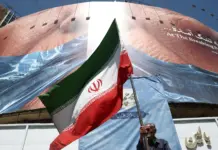
Washington / Tehran — Donald Trump has issued Iran a stark ultimatum, demanding a deal within two to three days as diplomatic channels strain under mounting military rhetoric and congressional resistance. The warning comes amid cautious optimism from senior US officials, with Vice President JD Vance acknowledging that both sides have made "a lot of progress" in negotiations — even as Tehran vows to unleash "new equipment and new methods" if Washington resumes strikes.
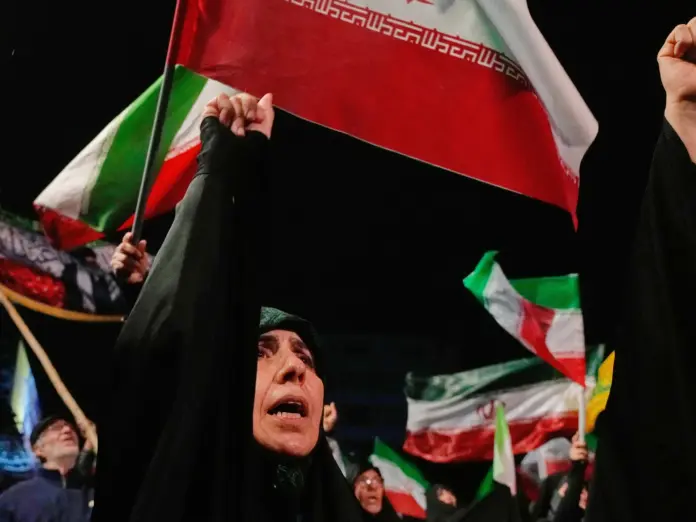
Iran Nuclear Ultimatum — Iran’s army spokesman Mohammad Akraminia warned that any renewed US military action would see Tehran "open new fronts," promising that a resumption of conflict would bring "many more surprises." The defiant posture underscores the fragility of a diplomatic window that Trump himself appears increasingly impatient to close.
The war, which has already triggered a global energy crisis, began with a devastating US military strike on a school in Iran that killed 155 people on its opening day. A senior US military commander has declined to accept responsibility for the strike, stating that a "complex" investigation remains ongoing — a position that has drawn sharp criticism and complicated Washington’s diplomatic standing.
Recommended Reading
On Capitol Hill, the Republican-controlled Senate advanced a War Powers Resolution that would require congressional approval before the administration can continue military operations against Iran. The move reflects growing unease within Trump’s own party over the scope and legal basis of the conflict, adding domestic political pressure to an already volatile situation.
In a rare humanitarian development, Iranian authorities released Shahab Dalili, an Iranian citizen and US permanent resident who had been held in Tehran’s Evin Prison for a decade. Dalili has since returned to the United States, and his release is widely seen as a potential goodwill signal ahead of any formal agreement.
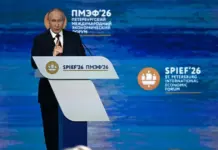
Gulf-led mediation efforts, involving Pakistan and Turkiye, remain active as regional powers attempt to broker a framework before Trump’s self-imposed deadline expires. The diplomatic push is unfolding against a broader geopolitical realignment, with Chinese President Xi Jinping hosting Russian President Vladimir Putin for talks expected to centre on energy and weapons agreements — a meeting that signals deepening coordination between two powers with significant stakes in the conflict’s outcome.
On Israel’s northern and southern fronts, violence showed no sign of abating. Israeli strikes across southern Lebanon killed at least 19 people, according to Lebanon’s health ministry. Ten of those deaths occurred in Deir Qanun al-Nahr in the Tyre district, including three children and three women. Nine further fatalities resulted from separate strikes elsewhere in the south. Lebanon’s Ministry of Public Health condemned the destruction of a primary healthcare centre in al-Maashouq in the Tyre district — the 31st health facility struck by Israel during the Lebanon conflict.
Iran Nuclear Ultimatum: Regional Implications
Hezbollah reported that its fighters carried out 26 attacks against Israeli forces inside southern Lebanon, including strikes targeting troop gatherings in areas such as Rachaf. The Israeli military, meanwhile, confirmed that sirens sounding in Malkia in northern Israel were a false alarm, with an interceptor launched toward a "false target" in the areas of Kiryat Shmona and Margaliot.
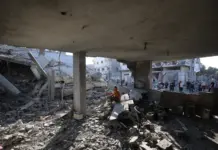
In Gaza, an Israeli air strike hit a home in the Nassr neighbourhood of Gaza City before dawn, triggering major fires in the surrounding area. The strike added to a mounting civilian toll as international calls for a ceasefire continue to go unheeded.
The convergence of these crises — an Iran nuclear standoff with a ticking clock, Israeli military operations across two fronts, and a shifting great-power alignment between Beijing and Moscow — presents one of the most complex diplomatic challenges of the Trump presidency. Whether the two-to-three day window produces a breakthrough or a breakdown may determine the trajectory of the broader regional conflict for months to come.