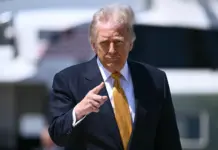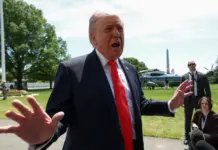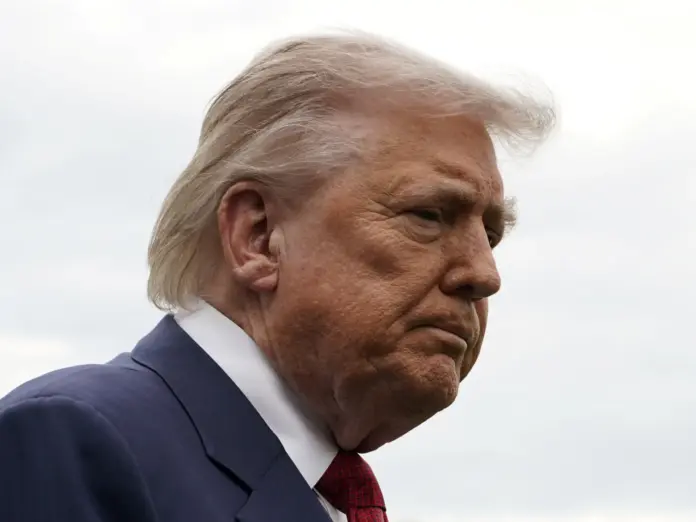
Washington/Tehran — President Donald Trump has issued a stark warning to Iran, declaring that the United States Space Force is maintaining constant surveillance over the country’s stockpile of highly enriched uranium and that any Iranian attempting to reach the material will be targeted. The threat marks a sharp escalation in rhetoric as diplomatic efforts to formalise a ceasefire between the two countries remain deeply stalled.
Iran Enriched Uranium — Trump stated that US military assets can identify individuals near the uranium by name, address, and badge number — a claim designed to signal the precision and reach of American intelligence capabilities. The uranium, believed to be buried beneath the rubble of nuclear facilities struck by US forces in June 2025, has become the central obstacle in negotiations to end the conflict.
Iran’s Foreign Ministry spokesperson Esmaeil Baghaei offered a blunt rebuttal. "Enriched uranium is as sacred to us as Iranian soil and will not be transferred anywhere under any circumstances," Baghaei said, directly contradicting Trump’s announcement last month that Tehran had agreed to allow Washington to retrieve the material. Tehran has not confirmed the precise location of its nuclear stockpile and continues to deny any agreement to relinquish it.
Recommended Reading
Iran is estimated to hold more than 400 kilograms of uranium enriched to 60 percent purity — well above the 3.67 percent cap established under the 2015 Joint Comprehensive Plan of Action (JCPOA), but still short of the approximately 90 percent purity required to produce a nuclear weapon. Iran maintains it has no intention of building one.
The JCPOA, a multilateral agreement that placed Iran’s enrichment programme under international supervision, collapsed after Trump withdrew the United States from the deal during his first term and reimposed sweeping sanctions. Tehran responded by progressively advancing its enrichment activities beyond the treaty’s limits, setting the stage for the current confrontation.
Washington’s position in the current negotiations is unambiguous: Iran must transfer its enriched uranium out of the country and permanently dismantle its domestic nuclear programme. Tehran has rejected both demands, insisting on its sovereign right to civilian enrichment. The impasse has left a truce that came into effect last month increasingly fragile, with skirmishes erupting in the Gulf over the past week despite the ceasefire agreement.
The United States continues to enforce a siege on Iranian ports, and Trump confirmed that American forces have completed roughly 70 percent of their intended military targets inside Iran. Pakistan, which is serving as a mediator between the two sides, received Iran’s formal response to the latest US proposal to end the war, though the contents of that response have not been made public.
Iran Enriched Uranium: The Nuclear Dimension
The economic consequences of the conflict are being felt far beyond the region. Iranian disruption of shipping through the Strait of Hormuz has triggered severe supply constraints in global oil markets, pushing the average price of a gallon of petrol in the United States above $4.50 — a dramatic increase from the sub-$3 levels that prevailed before hostilities began. The price surge has added domestic political pressure on the Trump administration to reach a settlement.
The standoff over enriched uranium reflects a fundamental disagreement that has persisted through multiple rounds of diplomacy. For Washington and its ally Israel, any durable agreement must eliminate Iran’s capacity to produce weapons-grade material. For Tehran, surrendering that capacity would mean abandoning what it regards as both a strategic deterrent and a matter of national sovereignty — a concession its leadership has consistently refused to make.
With the truce under strain, Gulf waterways contested, and negotiations deadlocked, the path to a formal end to the conflict remains unclear. Trump’s latest warnings suggest Washington is prepared to use military force to prevent Iran from reconstituting or relocating its nuclear assets, even as diplomats continue to search for a framework both sides can accept.