Global financial markets staged a dramatic rally after US President Donald Trump announced he had cancelled a third consecutive night of strikes against Iran and declared that a peace agreement was close to being finalised — a claim Tehran neither confirmed nor denied in full, leaving investors and diplomats navigating a landscape of profound uncertainty.
Iran Deal Claims — The S&P 500 closed nearly 1.8 percent higher on Thursday, its largest single-day advance since April, snapping a three-day losing streak. The Nasdaq Composite surged 2.5 percent, while the Dow Jones Industrial Average gained approximately 1.9 percent. The momentum carried into Asian trading on Friday, where markets from Tokyo to Sydney extended the gains.
South Korea’s Kospi led the charge, jumping more than 8 percent in morning trading — cementing its position as the best-performing major index of the year. Japan’s Nikkei 225 rose as much as 4 percent, Taiwan’s TAIEX added about 2.4 percent, Australia’s ASX 200 climbed roughly 1.8 percent, and Hong Kong’s Hang Seng Index gained more than 1 percent.
Recommended Reading
Energy markets moved sharply in the opposite direction. Brent crude plunged approximately 4.4 percent on the day to around $89 a barrel — a reflection of easing fears over supply disruptions through the Strait of Hormuz, the critical waterway that carries roughly one-fifth of global energy supplies in peacetime. Iran had effectively closed the strait following the initial US and Israeli strikes on 28 February, sending energy prices sharply higher in the weeks that followed.
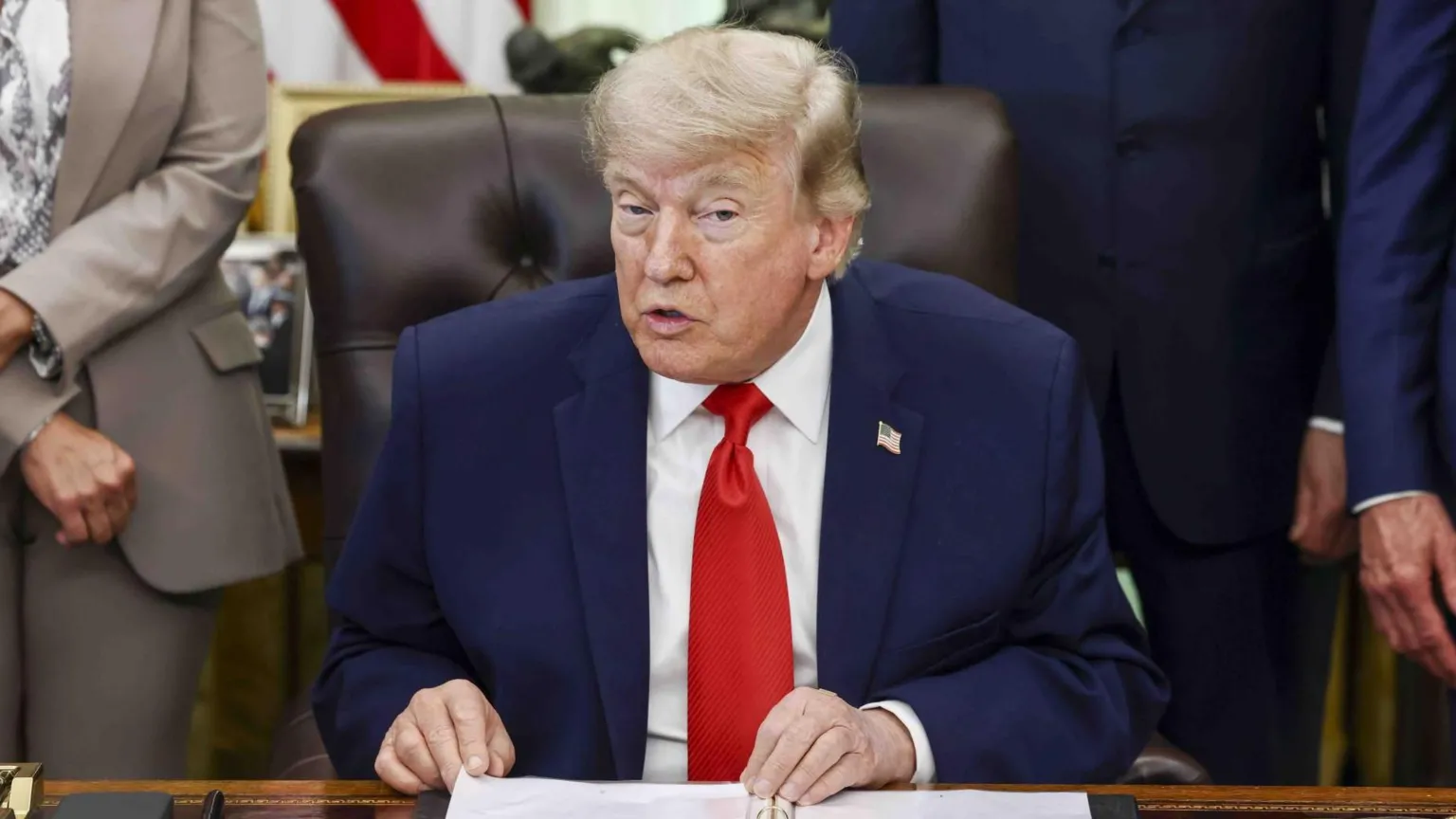
Trump told reporters that negotiators had "just made a great settlement of the war with Iran," adding that the agreement was "subject to finalisation of documents" expected within days. He suggested a signing ceremony would "probably" take place in Europe, possibly as soon as the weekend, and said the deal would guarantee that Iran never acquires a nuclear weapon. Trump also stated the Strait of Hormuz would reopen as soon as the agreement was formally signed.
Iran’s response was measured and notably cautious. Foreign ministry spokesman Esmail Baghaei described reports of a finalised agreement as "speculative," insisting that "nothing has been finalised." He did acknowledge that a memorandum of understanding was "under consideration" and that the majority of its text had been "finalised," but attributed the remaining gap to what he characterised as "excessive demands" from the American side.
The announcement came against a backdrop of rapidly escalating hostilities. The United States and Israel launched wide-ranging strikes against Iran on 28 February, prompting Iranian retaliation against Israel and US-allied Gulf states. A ceasefire was agreed in April, but the two sides exchanged two further rounds of strikes in the week preceding Trump’s latest comments. As recently as Wednesday, US Central Command completed a wave of strikes targeting military, surveillance and radar installations in southern Iran.
Iran’s Islamic Revolutionary Guard Corps responded by launching strikes against American bases in Bahrain, Kuwait and Jordan. An 11-year-old girl in Bahrain was injured by an Iranian drone attack on Thursday. Jordan reported shooting down approximately 20 Iranian missiles, while Kuwait’s military said it had engaged with "hostile aerial targets." Three Indian sailors were also killed in a US strike on a vessel in the Gulf of Oman, adding an international dimension to the humanitarian toll.
Iran Deal Claims: Regional Implications
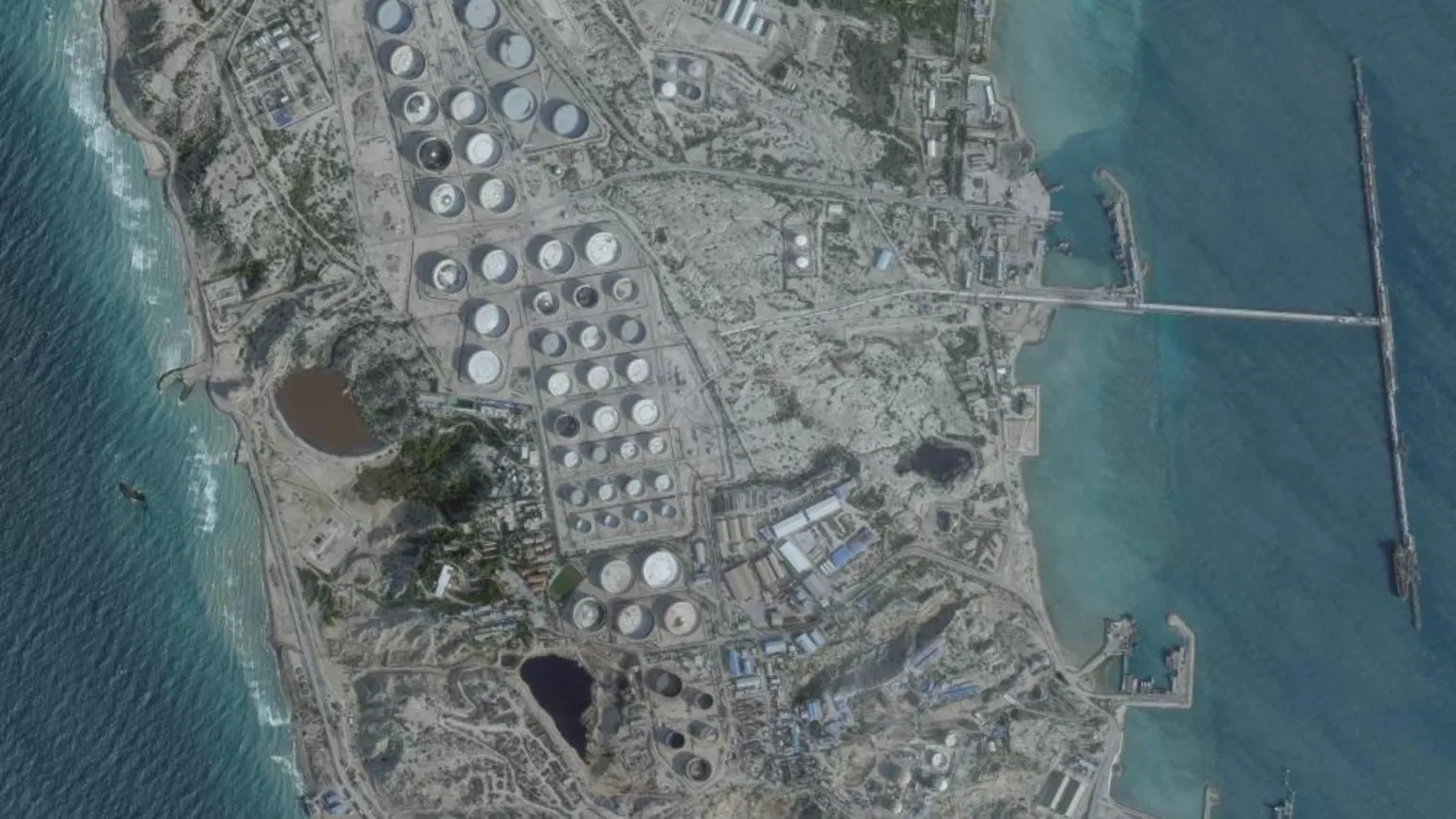
Trump had separately threatened to seize Kharg Island — Iran’s primary oil export terminal, through which roughly 90 percent of its oil exports pass — along with other energy infrastructure "in the not too distant future." Iran’s military warned that any further attacks would be met with retaliation "more severe than before."
Israeli Prime Minister Benjamin Netanyahu’s office confirmed a conversation with Trump had taken place but was careful to distance Jerusalem from the emerging framework, stating that Israel "is not a party to the memorandum of understanding." Netanyahu nonetheless expressed appreciation for Trump’s commitment to ensuring the removal of enriched material and the dismantling of Iran’s enrichment infrastructure.
The diplomatic ambiguity did little to dampen investor enthusiasm, at least in the short term. Market participants appeared willing to price in a de-escalation scenario even as the details remained contested. Friday also brought the anticipated market debut of SpaceX, expected to be the largest initial public offering of its kind in history — adding further momentum to an already buoyant trading session.
Whether the optimism proves durable will depend heavily on whether Washington and Tehran can bridge the remaining gaps in the coming days. For now, the prospect of a formal end to one of the most volatile geopolitical crises in recent memory was enough to move markets decisively — even if the peace itself remains, in Tehran’s own words, unfinished.