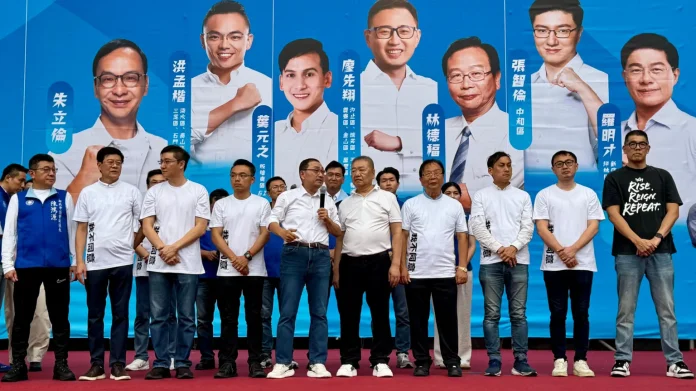
In Taiwan, citizens are participating in a highly debated and unprecedented electoral process to remove lawmakers suspected of having close connections with China. This “Great Recall” initiative, driven by civic groups, targets over 30 members of the legislature, and it presents a significant chance to reshape Taiwan’s political landscape. The country has faced a prolonged political impasse between the ruling Democratic Progressive Party (DPP) and the opposition-dominated legislature, primarily controlled by the Kuomintang and its partners. This recall effort has deeply divided the public, leading to mass demonstrations and heated discussions.
Both sides of the debate claim to be defending Taiwan’s democratic values. The roots of this movement trace back to the January 2024 elections, where DPP’s William Lai was elected president, yet the parliament remained under opposition control. Since then, the Kuomintang, with support from the Taiwan People’s Party and independents, has blocked key DPP initiatives and advanced contentious legislation. These actions have frustrated many Taiwanese, viewing them as tactics to hinder the DPP while bolstering opposition strength.
A wave of protests kicked off in May 2024, called the Bluebird movement, as demonstrators gathered in significant numbers on a street in Taipei marked by support for the recall. Activists within the movement suspect the Kuomintang of being subtly influenced by Beijing due to its generally amicable stance towards China, especially after some of its lawmakers visited China and interacted with high-ranking officials. Despite the Kuomintang’s denial of these allegations, the suspicion has fueled the recall efforts. Petitions launched by these civic groups aim to replace several Kuomintang lawmakers, while the Kuomintang has similarly sought to recall DPP members.
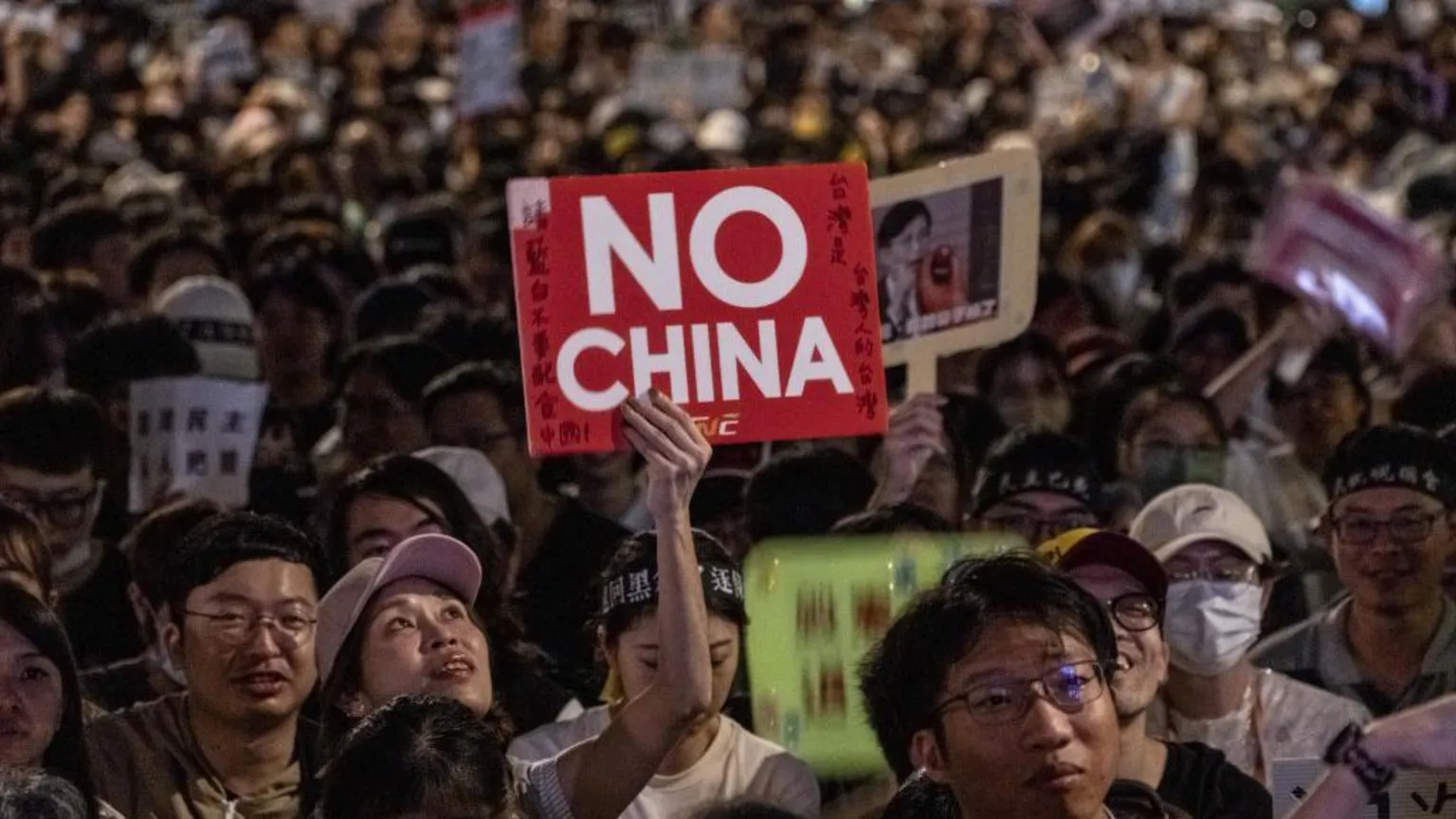
So far, 31 seats, all held by Kuomintang members, have garnered enough backing to proceed to a recall vote. If successful, the DPP could potentially seize control of the legislative majority. Although Taiwan has experienced recall votes in the past, the current scale and frequency are unprecedented. On Saturday, voters across 24 districts will respond to whether they wish to remove their local representatives.
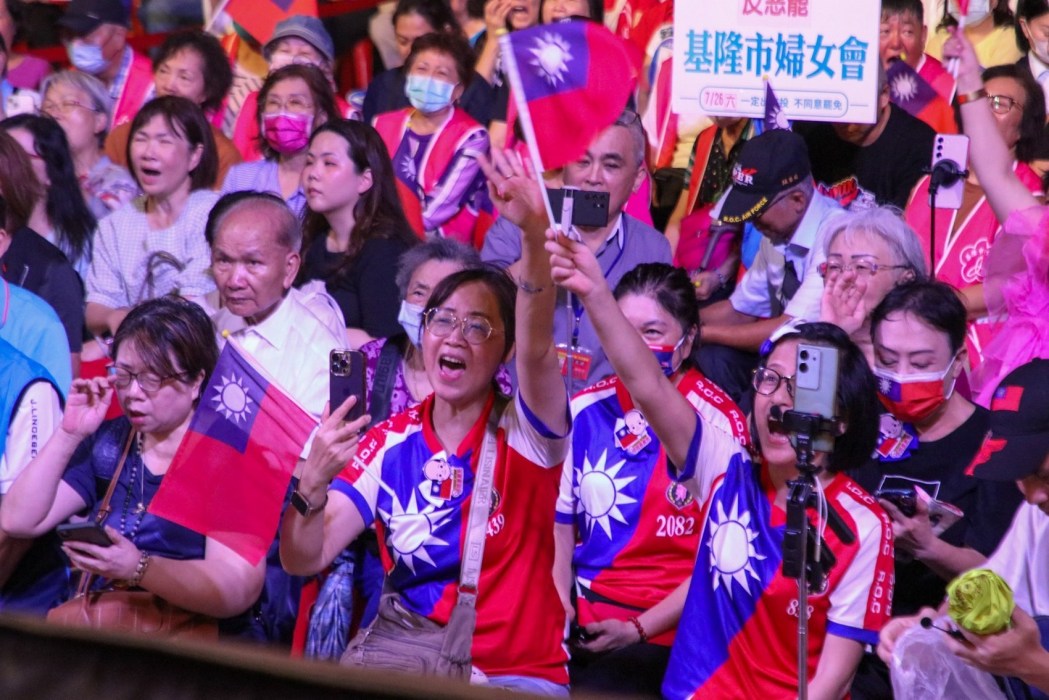
Another voting session will occur in August for the rest of the recall cases. At least 25% voter turnout is required, and if the majority supports a recall, the seat will be declared vacant, prompting by-elections within three months. Turnout rates are deemed vital for the recall’s outcome, with civic groups actively campaigning both online and door-to-door. Meanwhile, the Kuomintang and allies are conducting rallies to oppose the recall, accusing the DPP of orchestrating the movement to overturn the previous election results for legislative dominance.
Initially distancing itself, the DPP eventually backed the movement, with President Lai expressing the need to align with the people’s will and instructing party officials to support recall efforts. Observing from abroad, Beijing has criticized Lai for allegedly using democratic principles to suppress the opposition, contributing further to the debate. This controversy over potential Chinese sway in government affairs is reshaping the nation’s political and social landscape.