Israel Strikes Lebanon — Israeli air strikes and artillery bombardments across southern and eastern Lebanon have killed at least six people and wounded three others, shattering the fragile calm of a US-brokered ceasefire that has been under strain since fighting resumed in early March.
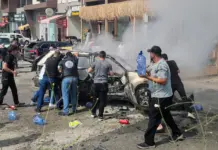
The deadliest strike hit Zellaya, a town in the western Bekaa region of eastern Lebanon, where an air attack on a residential home killed Ali Qassem Ahmad, head of the town’s municipal council, along with three members of his family. Three additional people sustained injuries in the same strike. The attack on a local civic leader’s home drew immediate condemnation and underscored the civilian toll of the ongoing campaign.
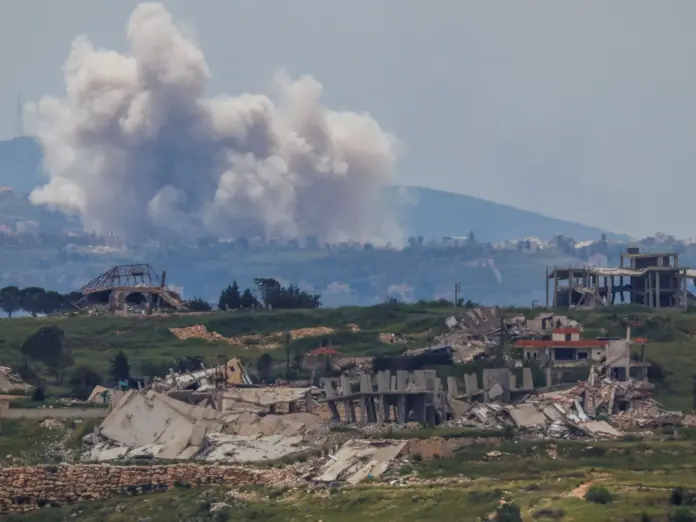
In southern Lebanon, Israeli forces deployed fighter jets, drones and artillery in coordinated operations across multiple areas. The village of Mayfadoun was shelled with Israeli artillery, killing two people. Air strikes also hit parts of the Tyre district, further extending the geographic scope of the assault.
Recommended Reading
Hezbollah responded to the Israeli attacks across several areas of southern Lebanon and separately claimed responsibility for a strike targeting a gathering of Israeli soldiers, though details of casualties on the Israeli side were not immediately available.
Israel issued forced displacement orders for 12 villages in southern Lebanon, instructing residents to remain at least one kilometre from their homes. Most of the affected villages lie north of the Litani River — territory not currently under Israeli military occupation. Critically, the displacement orders extended into western parts of the Bekaa Valley for the first time since the ceasefire came into effect, a significant escalation in the geographic footprint of Israeli pressure on Lebanese communities.
The ceasefire, brokered by the United States, took effect on April 17. Israel has claimed that Hezbollah violated the truce, though it has provided no credible evidence to substantiate those allegations. The renewed fighting began on March 2, when Hezbollah fired rockets into Israel following the launch of a US and Israeli military campaign against Iran.
The human cost since that date has been staggering. Israeli attacks in Lebanon have killed approximately 2,700 people since March 2, and more than 1.2 million people have been displaced. Israeli forces have destroyed entire villages in southern Lebanon, leaving communities shattered and infrastructure in ruins.
Israel Strikes Lebanon: Regional Implications
The latest strikes represent a continuation of a pattern in which the ceasefire framework has been repeatedly tested. With displacement orders now reaching into the Bekaa Valley — a region not previously subject to such directives under the current truce — concerns are mounting that the agreement is effectively collapsing on the ground, even as diplomatic channels remain nominally open.
The widening scope of Israeli military operations, combined with Hezbollah’s continued retaliatory posture, raises serious questions about the durability of any negotiated pause in hostilities. For the more than a million Lebanese already uprooted from their homes, the prospect of a genuine and lasting ceasefire appears increasingly remote.