Israel Iran Strike — A six-week-old ceasefire between the United States, Israel, and Iran is showing severe signs of strain, with Israeli leaders openly debating a return to military action, American forces maintaining a naval blockade of Iranian waters, and Tehran warning that any renewed aggression could trigger a regional war extending far beyond its borders.
The fragility of the truce was thrown into sharp relief this week when Shimon Riklin, an anchor for Israeli Channel 14, disclosed what appeared to be confidential operational plans for a renewed strike on Tehran, including the purported location of a uranium storage facility he claimed could be targeted. Members of the Knesset condemned the revelations, and Riklin subsequently insisted his comments were entirely hypothetical. The episode nonetheless underscored the intensity of internal Israeli debate over whether to resume the conflict.
Prime Minister Benjamin Netanyahu chaired a second consecutive meeting of his security cabinet this week to deliberate on the question. The discussions follow an April 8 ceasefire that was reached with minimal Israeli involvement — a fact that has generated significant political backlash at home. Opposition leader Yair Lapid called the truce one of the greatest political disasters in Israeli history.
Recommended Reading
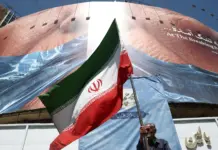
![A banner depicts US-Israeli attacks on Iran in the capital, Tehran [File: Atta Kenare/AFP]](https://world-tension.s3.us-east-2.amazonaws.com/articles/1068/e34862e8f76440d4b9915d2eadf27a65.webp)
Public sentiment appears to align with the hawks. A poll conducted by the Israel Democracy Institute in early May found that a majority of Israelis believe ending the war prematurely runs counter to the country’s security interests. A comparable proportion of respondents considered a resumption of fighting likely.
Defence Minister Israel Katz has been among the most bellicose voices, stating publicly that Israel was prepared to bomb Iran "back to the Stone Ages" once Washington gave the green light. That green light, however, has not yet come — and the United States appears to be pulling back from its earlier threats to resume bombing if Iran refuses a peace deal.
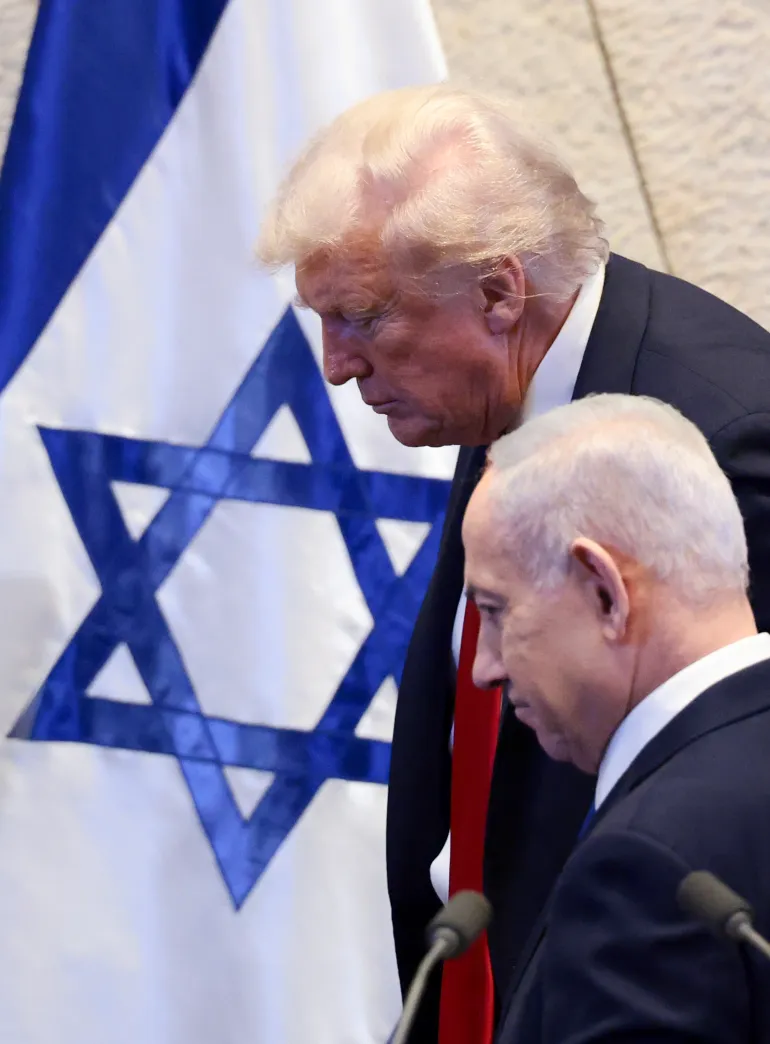
President Donald Trump, speaking at Joint Base Andrews outside Washington on Wednesday, said the US was "all ready to go" if necessary but added that he was willing to wait a few days to receive the right answers from Tehran. He described the negotiations as sitting on the "borderline" between a deal and renewed strikes. In a characteristically blunt assessment of his relationship with Netanyahu following an overnight phone call on Tuesday, Trump said the Israeli prime minister would "do whatever I want him to do."
Iran submitted a fresh proposal to Washington this week, drawn from its original 14-point framework. That framework includes demands for Iranian control of the Strait of Hormuz, reparations for war damage, the lifting of sanctions, the release of frozen assets, and the withdrawal of US troops from the region. Tehran has accused Washington of making excessive demands during the April negotiating round, and Iranian Foreign Minister Abbas Araghchi stated on Wednesday that his ministry stood ready for either renewed talks or a return to fighting.
Iran’s Islamic Revolutionary Guard Corps issued a stark warning, stating that if aggression against Iran is repeated, a promised regional war will extend beyond the region — a reference to Tehran’s stated deterrence strategy, which includes striking neighbouring states and closing the Strait of Hormuz to international shipping.
Israel Iran Strike: Regional Implications
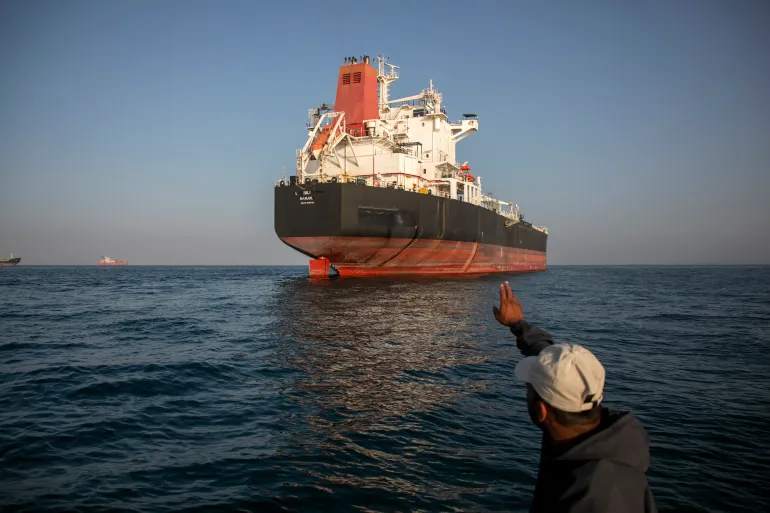
Iran’s Foreign Ministry spokesperson Esmaeil Baghaei confirmed on Wednesday that Tehran had received the latest US positions and was reviewing them. The US has maintained a naval blockade of Iranian waters since mid-April, boarding at least five vessels in that period. On Wednesday, the US military’s Central Command announced that a ship had been searched and redirected after being suspected of attempting to reach an Iranian port.
Pakistan has emerged as a critical diplomatic intermediary. The country hosted the only direct negotiations between US and Iranian officials since the war began on February 28. Pakistani Interior Minister Mohsin Naqvi arrived in Tehran on Wednesday for his second visit in under a week, and the country’s military chief, Field Marshal Asim Munir, was scheduled to travel to the Iranian capital on Thursday for consultations with senior authorities.
The diplomatic manoeuvrings are unfolding against a charged domestic backdrop in Israel. A general election is scheduled for August, and the country’s performance in the war against Iran is expected to dominate campaigning. Netanyahu, who won the 2022 election despite facing multiple corruption charges, faces a deeply polarised electorate. The war began on February 28, triggered in part by the broader regional fallout from the Hamas-led attacks on southern Israel on October 7, 2023.
Analysts note that the current negotiations represent a narrowed agenda compared to earlier rounds. Curbs on Iran’s ballistic missile programme and Tehran’s ties to groups such as Hezbollah are no longer on the table, according to observers tracking the talks. The US, one analyst noted, is acutely aware of the risk of finding itself in a weaker negotiating position than it occupied on February 26, the day it walked away from preliminary discussions — a calculation that may be tempering Washington’s appetite for renewed military action even as its rhetoric remains sharp.