Iran-Us Peace Talks — Diplomatic efforts to end the US-Israel war on Iran have reached a dangerous stalemate, with President Donald Trump branding Tehran’s latest peace proposal ‘totally unacceptable’ and global oil markets reacting with alarm as Brent crude surged back above $100 a barrel.
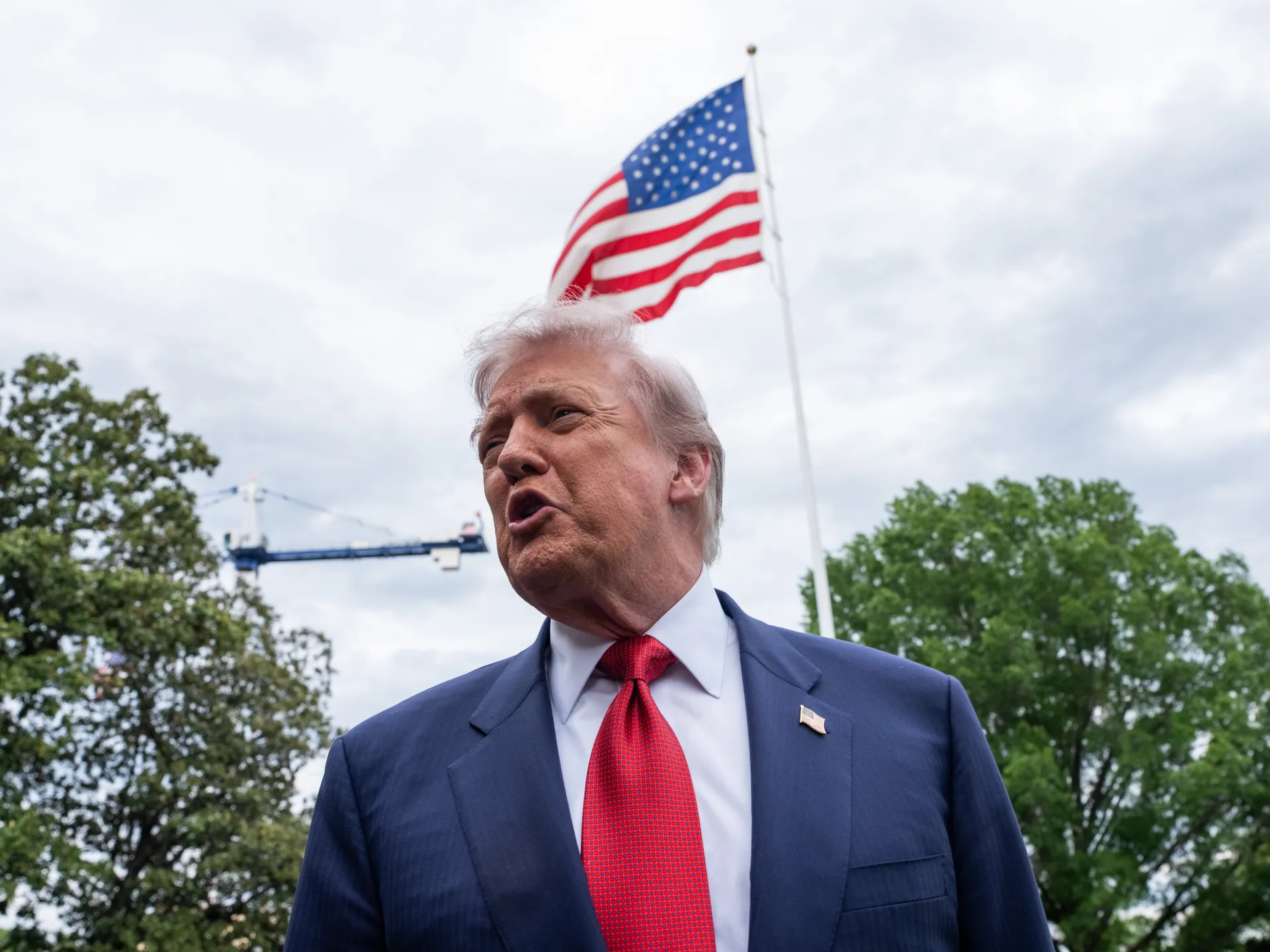
The confrontation entered its 73rd day on Monday with no resolution in sight. Iran transmitted its formal response to a US peace framework through Pakistan, which has served as a back-channel mediator between the two sides, on Sunday. Trump swiftly rejected the proposal on his Truth Social platform without elaborating on its specific shortcomings.
Tehran’s counterproposal called for an immediate end to the conflict, a lifting of the US naval blockade, the release of frozen Iranian assets, and guarantees that neither Washington nor Israel would launch further strikes on Iranian territory. Crucially, the proposal sought to preserve Iran’s control over its nuclear programme and broader foreign policy — conditions that place it in direct conflict with Washington’s stated demands, which include the suspension of Iranian nuclear enrichment and the restoration of free maritime transit through the Strait of Hormuz.
Recommended Reading
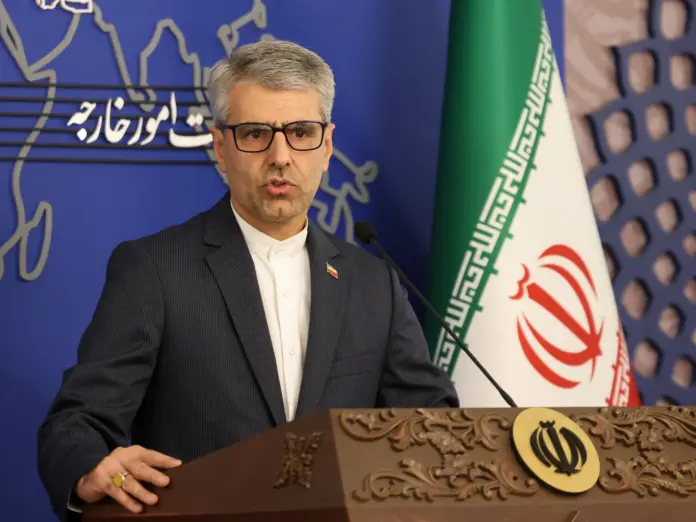
Iranian Foreign Ministry spokesman Esmaeil Baghaei, speaking at a press conference on Monday, accused Washington of presenting ‘unreasonable’ and ‘one-sided’ demands. He maintained that ‘the US and Israel started their aggression against Iran’ and warned European nations not to ‘succumb to the US and Israeli hubris acts.’ Baghaei also issued a stark caution that any foreign military intervention in the Strait of Hormuz or the Persian Gulf would ‘bring about further complications.’
The warnings carry significant weight. Iran has maintained an effective blockade of the Strait of Hormuz since shortly after the war began on 28 February, threatening to attack any vessels attempting to cross the waterway in retaliation for US-Israeli strikes. The strait ordinarily handles roughly a fifth of global oil and gas shipments, and its closure has severely disrupted energy markets worldwide.
Financial markets responded immediately to Trump’s rejection. West Texas Intermediate (WTI) crude surged more than four percent to $105.50 a barrel during Monday morning Asian trade, while Brent crude climbed 4.65 percent to $99.95 a barrel. Brent had already risen 2.69 percent to $104.01 a barrel by late Sunday following Trump’s post. The benchmark has remained above $100 since the ceasefire came into effect on 8 April.
The energy disruption has produced starkly divergent fortunes across the industry. Saudi energy giant Aramco reported a profit jump of more than 25 percent in the first quarter compared to the same period last year, with chief executive Amin Nasser crediting the company’s cross-country pipeline — which bypasses the blocked strait entirely — as a ‘critical supply artery.’ BP reported that its first-quarter profits more than doubled, while Shell also announced a sharp earnings increase over the same period.

The ceasefire, which came into effect on 8 April following weeks of intense fighting, has been largely but not perfectly observed, with occasional exchanges of fire reported on both sides. Trump extended the truce indefinitely on 21 April, granting Tehran additional time to formulate a ‘unified proposal.’ That proposal has now been rejected.
Iran-Us Peace Talks: Regional Implications
Andrea Dessi of the American University of Rome characterised the current impasse as a clash of maximalist positions, with neither side willing to make the concessions necessary for a durable settlement. Israeli Prime Minister Benjamin Netanyahu has further complicated the diplomatic landscape by insisting the war will not conclude until Iran’s enriched uranium stockpiles are ‘taken out’ — a demand that Tehran has categorically refused to entertain.
Meanwhile, European powers are moving to address the maritime crisis independently. French President Emmanuel Macron and British Prime Minister Keir Starmer are leading a coalition of more than 50 countries aimed at restoring commercial shipping through the strait. France and the United Kingdom will host a multinational meeting of defence ministers on Tuesday to advance plans for restoring trade flows, building on a two-day gathering of military planners held in London in April.
The security situation showed further signs of deterioration on Sunday. The United Arab Emirates reported intercepting two drones originating from Iran, while Qatar condemned a drone attack in its territorial waters targeting a cargo vessel travelling from Abu Dhabi — incidents that underscore the risk of the conflict spreading beyond its current boundaries.
With both Washington and Tehran locked in entrenched positions, the ceasefire’s indefinite extension offers little structural guarantee against renewed hostilities. The coming days, particularly Tuesday’s European defence summit, may prove pivotal in determining whether international pressure can create the diplomatic space that bilateral negotiations have so far failed to produce.