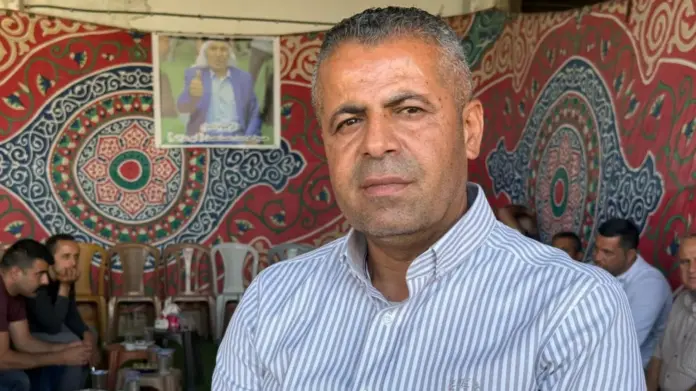
West Bank Settler Violence — Armed Jewish settlers desecrated the freshly dug grave of an 80-year-old Palestinian man in the West Bank village of Asasa, near Jenin, less than thirty minutes after his burial last Friday — forcing his family to exhume his body and rebury him in a neighbouring village.
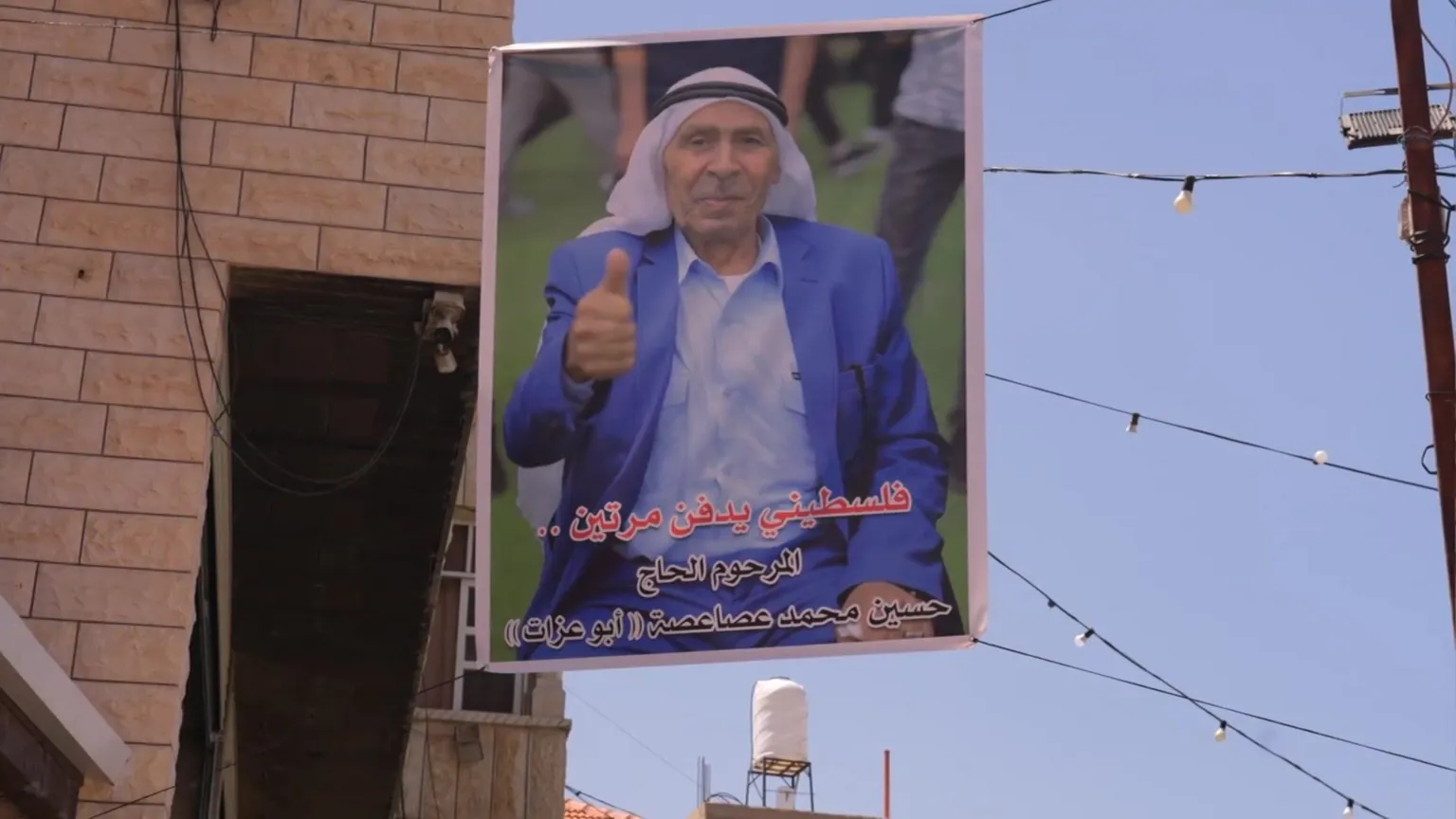
Hussein Asasa, a former livestock trader and father of ten, died of natural causes. His family buried him in a small hilltop graveyard on the far side of the village from the family home. Within half an hour, settlers from the nearby Sa-Nur settlement descended on the site carrying heavy hand tools, which they used to hack at the newly laid grave. Some were armed with automatic rifles.
Before resorting to digging, the settlers issued a stark ultimatum to the grieving family: ‘Either you exhume the body or we’ll do it.’ Their stated objection was that the burial site lay too close to their settlement.
Recommended Reading
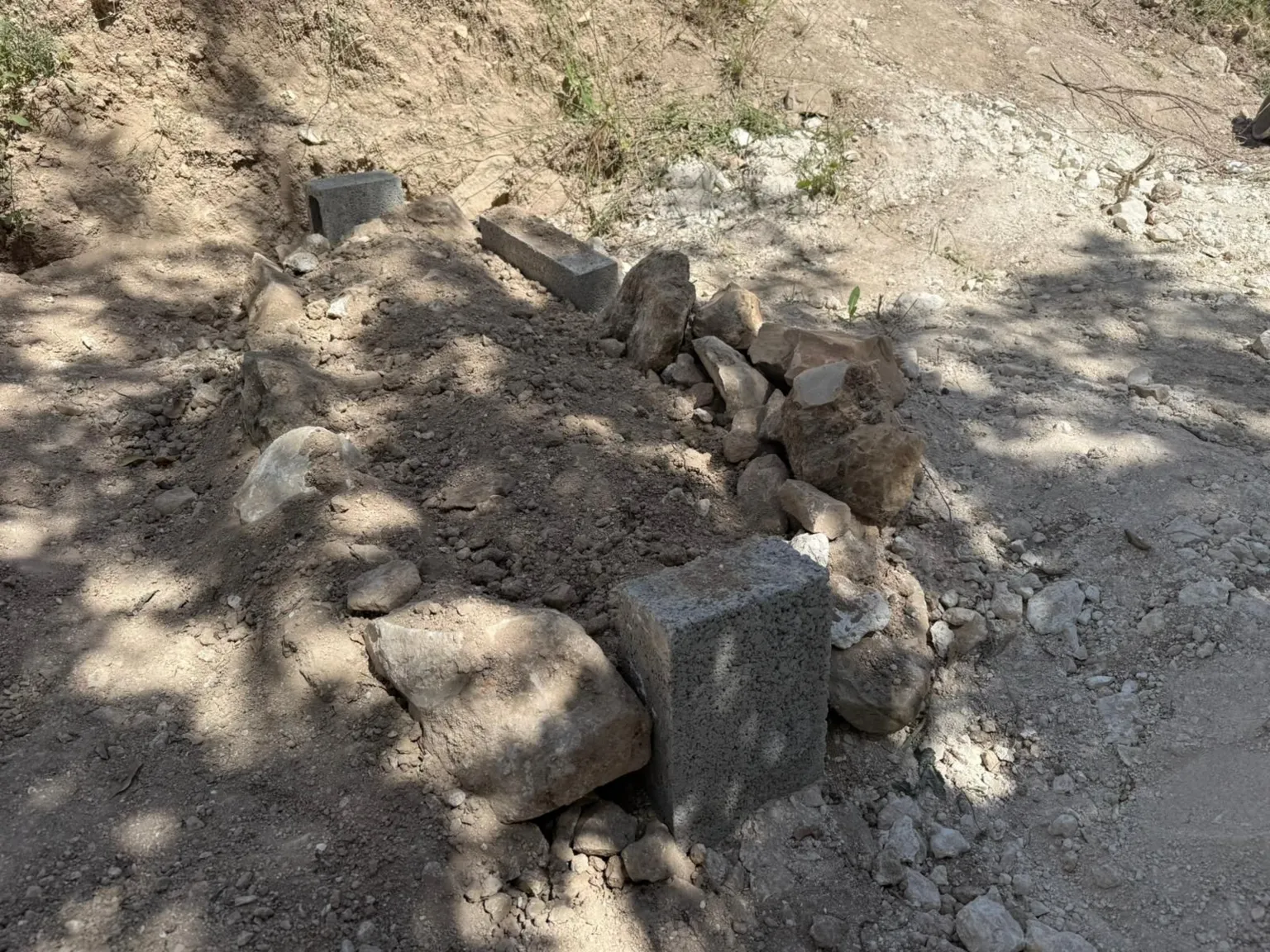
Mohammed Asasa, one of Hussein’s sons, had sought permission from a nearby Israeli military base before the funeral even took place, attempting to ensure the burial could proceed without incident. That precaution proved insufficient. It fell to Hussein’s sons to eventually carry their father’s remains to a small graveyard in a neighbouring village, where he was finally laid to rest.
Sa-Nur sits on a hill directly above the cemetery. The settlement was recently reestablished with the approval of the government of Prime Minister Benjamin Netanyahu, and much of the surrounding area has since been designated a closed military zone. Like all Israeli settlements built on occupied Palestinian land, Sa-Nur is illegal under international law. Netanyahu’s broader policy of expanding and creating new settlements in the West Bank has drawn widespread international condemnation.
The Israel Defense Forces said it intervened during the incident to confiscate digging tools from the settlers. In a statement, the IDF said it ‘condemns any attempt to act in a manner that harms public order, the rule of law, and the dignity of the living and the deceased.’ The military did not announce any arrests.
The UN human rights office was unequivocal in its response. Ajith Sunghay, the local head of the Office of the High Commissioner for Human Rights, described the incident as ‘appalling and emblematic of the dehumanisation of Palestinians’ in the Occupied Territories.
West Bank Settler Violence: Regional Implications
The desecration of Hussein Asasa’s grave is the latest in a pattern of escalating settler violence across the West Bank. Between the start of the US-Israeli military campaign against Iran and the end of April, 13 Palestinians were killed in settler attacks. Hundreds more were injured, and many were driven from their homes during the same period.
Human rights organisations have long documented a surge in settler violence in the West Bank, arguing that Israeli authorities have consistently failed to hold perpetrators accountable. Critics contend that the Netanyahu government’s settlement expansion policies have emboldened extremist settler factions, creating conditions in which attacks on Palestinian communities — and now, on Palestinian graves — occur with near impunity.
For the Asasa family, the ordeal underscored a grim reality: that even in death, Palestinians in the occupied territories can find no sanctuary from the pressures of the settlement enterprise. Hussein Asasa, who spent his life trading livestock and raising ten children in the village that bears his family’s name, was buried twice before he was finally allowed to rest in peace.