Tehran has submitted a formal response to Washington’s latest peace proposal, conveyed through mediator Pakistan, as diplomatic efforts to consolidate a fragile ceasefire show signs of collapse and the United States prepares to consider renewed military action.
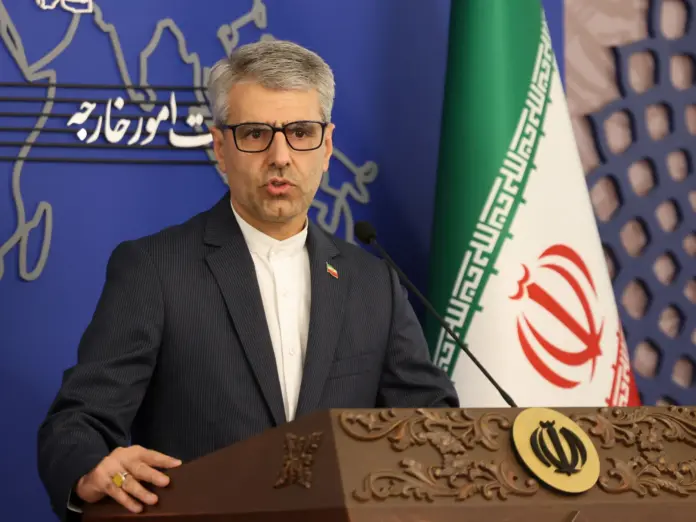
Iranian Foreign Ministry spokesman Esmaeil Baghaei announced the development at a press briefing Monday, confirming that Tehran’s reply had been transmitted to the American side via Islamabad. Baghaei offered a stark warning alongside the diplomatic gesture, stating that Iran is ‘fully prepared for any eventuality’ should the conflict escalate once more.
Iran Ceasefire Response — The submission marks the latest exchange in a weeks-long back-and-forth between Washington and Tehran, during which both sides have traded competing proposals without reaching a durable agreement. A ceasefire has largely halted six weeks of intense fighting, but President Donald Trump publicly described it as being ‘on life support’ — a characterisation that underscores the precariousness of the current pause. Trump is expected to convene senior national security advisers on Tuesday to discuss options for resuming military operations.
Recommended Reading
Iran’s demands are sweeping. Tehran is calling for the lifting of US-imposed sanctions, the release of Iranian assets frozen abroad, compensation for war damage, and an end to the US naval blockade of Iranian ports — a blockade that has been in place since April 13. Iran is also demanding a halt to fighting on all fronts, explicitly including Lebanon, where Israeli forces have continued their invasion and daily bombardment despite the ceasefire agreement. Critically, Tehran is also seeking formal control over the Strait of Hormuz, the strategic waterway that, prior to the conflict, carried one-fifth of the world’s crude oil and liquefied natural gas supply.
Washington’s position remains sharply at odds with these demands. The US has presented a five-point framework requiring Iran to reduce its operational nuclear sites to one and to transfer its stockpile of highly enriched uranium to American custody. The administration has refused to release even 25 percent of Iran’s frozen assets and has rejected any payment of war reparations. US Treasury Secretary Scott Bessent announced Monday that he would call on G7 finance ministers to align with the American sanctions regime against Iran, signalling Washington’s intent to tighten economic pressure rather than ease it.
The diplomatic impasse is deepening concerns among analysts. Mohamad Elmasry, a professor of media studies at the Doha Institute of Graduate Studies, assessed that the United States could resume military action within the next day or two, citing the breakdown in Pakistan-mediated talks and the hardening of positions on both sides.
The situation in Lebanon adds a further complication. Despite the ceasefire framework, Israeli forces have maintained their military campaign there, conducting daily strikes and continuing a ground invasion. Iran’s insistence on a comprehensive halt to hostilities across all theatres — not merely a bilateral pause — represents a significant sticking point that Washington has yet to address publicly.
Iran Ceasefire Response: Regional Implications
The Strait of Hormuz demand may prove the most contentious of all. Iranian control over the waterway would give Tehran enormous leverage over global energy markets, a prospect that has alarmed oil-importing nations and US allies alike. Washington has itself urged Tehran to lift what it describes as an effective blockade of the strait, framing free passage as a non-negotiable condition for any lasting settlement.
With both sides publicly hardening their rhetoric and the mediating role of Pakistan appearing increasingly strained, the window for a negotiated resolution appears to be narrowing rapidly. The outcome of Tuesday’s White House national security meeting is expected to set the trajectory for US policy in the coming days — whether toward renewed engagement or a return to open conflict.