Iran Nuclear Talks — Diplomatic efforts to resolve the standoff between the United States and Iran edged forward on Thursday, with Secretary of State Marco Rubio acknowledging modest gains in ongoing negotiations while cautioning against premature optimism. The fragile diplomatic momentum unfolded against a backdrop of continued Israeli military operations in southern Lebanon that left six people dead.
Rubio described the state of US-Iran talks as showing "slight progress," but was careful to temper expectations. "I did not wish to exaggerate the amount of progress," he said, signalling that significant gaps remain between the two sides. The cautious assessment was echoed by Iranian officials, with one senior figure suggesting a deal was within reach while a second source warned it was too early to determine whether a final agreement could be secured.
Pakistan has emerged as a key intermediary in the negotiations. Iranian Foreign Minister Abbas Araghchi met with visiting Pakistani Interior Minister Mohsin Naqvi to discuss proposals for ending the conflict, with Pakistani officials engaged in what observers described as intense mediation activity between Washington and Tehran.
Recommended Reading
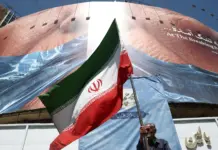
At the centre of the diplomatic dispute is the Strait of Hormuz, the narrow waterway through which a significant share of the world’s oil supply passes. Rubio accused Iran of attempting to create a "tolling system" in the strait and of seeking to persuade Oman to participate in the arrangement. The Islamic Revolutionary Guard Corps Navy reported that 35 ships — including oil tankers and container vessels — transited the strait in the past 24 hours with IRGC permission and coordination, up from 31 the previous day. The figures underscored Tehran’s assertion of control over one of the world’s most critical maritime chokepoints.
UAE presidential advisor Anwar Gargash placed the odds of a successful US-Iran deal at "50-50," warning that entrenched Iranian control over the strait would carry severe global repercussions and set a dangerous precedent for international shipping norms.
European powers are also preparing for contingencies. German Foreign Minister Johann Wadephul confirmed that Berlin is preparing to participate in securing the Strait of Hormuz under a UK-led mission. The announcement came even as the US said it would withdraw approximately 5,000 soldiers from Germany over the next six to twelve months — a move that has prompted Berlin to invite Washington to maintain its original plan to deploy long-range missiles on German soil.
NATO Secretary-General Mark Rutte sought to project confidence in the alliance’s cohesion, stating that NATO is on a stronger path while gradually reducing its reliance on the United States as a single guarantor of European security. Financial markets responded positively to the diplomatic signals, with European shares rising 0.5 percent to 623.79 points on the STOXX 600 index. Germany’s economy also showed signs of resilience, growing 0.3 percent in the first quarter of the year, with consumer sentiment recovering heading into June.
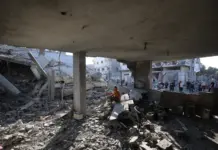
While diplomats worked the phones, Israeli military operations in southern Lebanon intensified. An Israeli drone strike on Deir Qanoun al-Nahr killed six people, among them two paramedics and a young Syrian girl. Six additional people were wounded in the same attack, including three other paramedics and a woman. Israeli air raids also struck four villages in the Tyre district — al-Hanniye, Tebnine, al-Qlailah, and Debaal — while a separate strike in the al-Hafour area injured three more people.
Iran Nuclear Talks: Regional Implications
The US State Department separately announced rewards of up to $10 million for information leading to the identification of Hezbollah financial networks, leaders, or operatives, a move that signals Washington’s continued pressure on the Lebanese militant group even as broader regional diplomacy proceeds.
Maritime security concerns extended beyond the strait. The United Kingdom Maritime Trade Operations agency reported that a vessel was approached by a small craft carrying five people approximately 98 nautical miles north of Yemen’s Socotra island. The vessel’s armed security team fired warning shots, forcing the craft to alter course — a reminder that instability in the broader region continues to threaten commercial shipping lanes.
The convergence of Israeli military action, Iranian maritime assertiveness, and cautious diplomatic engagement reflects the volatile and interconnected nature of the Middle East crisis. Whether Pakistan’s mediation efforts and the slim diplomatic openings identified by Rubio can translate into a durable agreement remains deeply uncertain, with the Strait of Hormuz serving as both a bargaining chip and a potential flashpoint for wider escalation.