Iran Political Executions — Iran has executed a series of individuals detained during protest movements and accused of politically motivated offences, with human rights organisations documenting a sharp escalation in state killings that has drawn widespread international alarm.
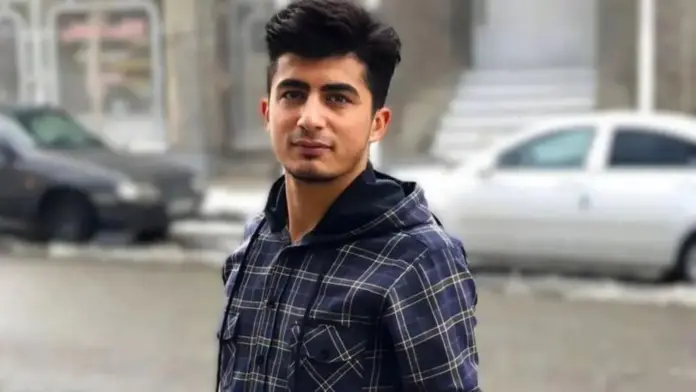
Mehrab Abdollahzadeh, a 29-year-old Kurdish shop owner, was hanged at dawn at Oromiyeh Central Prison in western Iran after spending 42 months on death row. His execution was carried out without any prior notification to his family or legal representatives, and his body was not returned to his relatives — a practice human rights groups describe as a deliberate act of additional punishment against grieving families. Abdollahzadeh had been arrested in 2022 during the nationwide uprising that erupted following the death of Mahsa Amini, a young woman who died in police custody after being detained for allegedly not wearing her veil in accordance with state regulations. He was accused of involvement in the killing of a member of Iran’s Basij paramilitary militia.
His case is one of dozens documented by the United Nations, which has verified the execution of at least 32 political prisoners since 28 February — the date on which the United States and Israel launched military strikes against Iran. Amnesty International has recorded 45 executions on politically motivated charges throughout 2025 alone, a figure that reflects a broader pattern of judicial repression following successive waves of civil unrest.
Recommended Reading
Among those executed this year, several were accused of espionage — specifically of passing classified information to Israeli or CIA intelligence services. Others were alleged to have ties to exiled opposition organisations. Fourteen of those put to death in 2025 were arrested in connection with an uprising that erupted in January of this year.
Erfan Shakourzadeh, a 29-year-old master’s student in aerospace engineering, was hanged on 11 May after Iran’s judiciary convicted him of sharing classified information with Israeli and American intelligence. Before his execution, Shakourzadeh stated that he had been arrested on fabricated charges and subjected to eight and a half months of torture and solitary confinement — allegations the Iranian state has not addressed publicly.
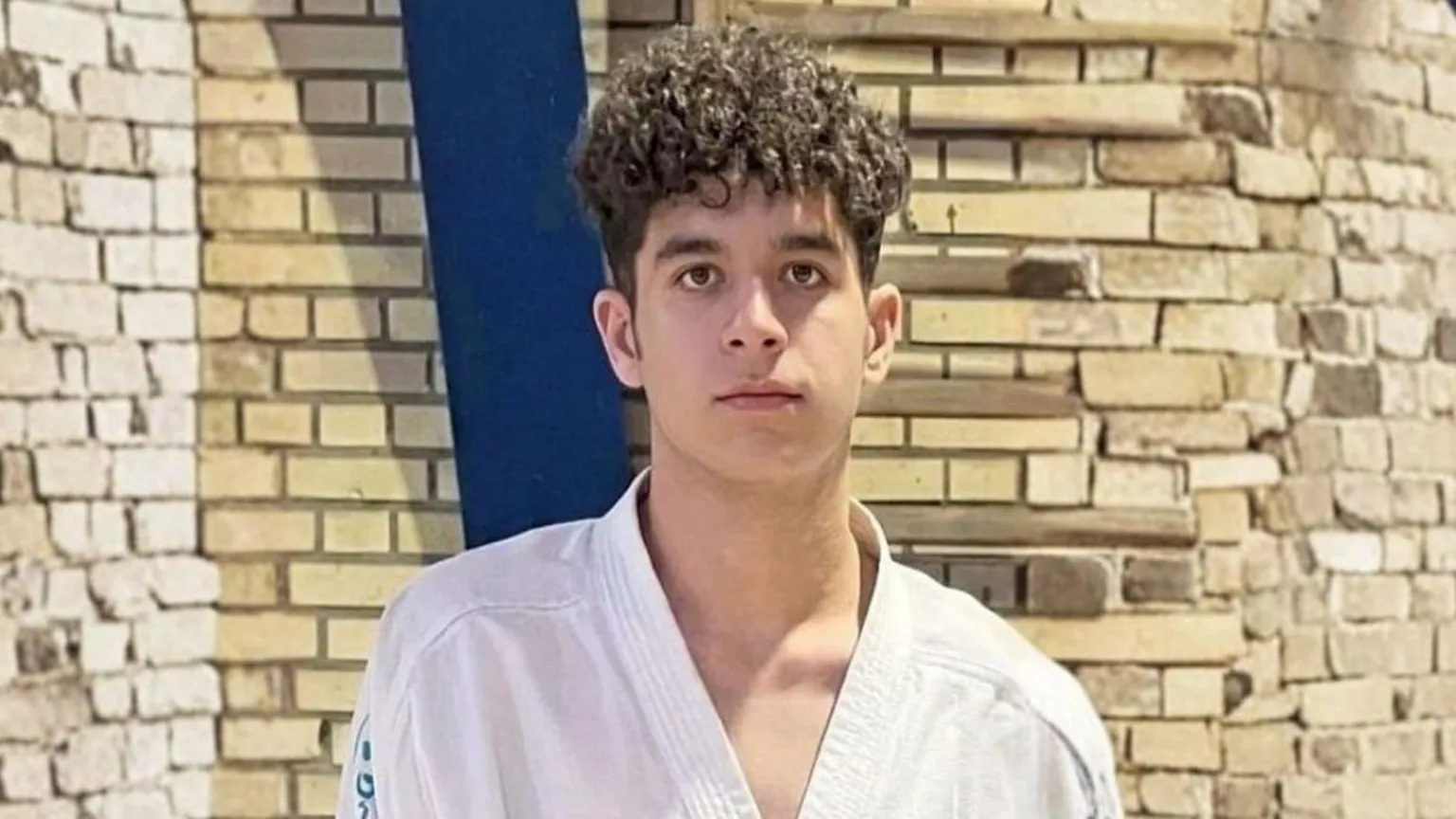
The case of Sasan Azadvar has drawn particular attention from rights advocates. The 21-year-old karate champion from Isfahan was convicted of ‘moharabeh’ — waging war against God — and of effective collaboration with the enemy, charges that carry the death penalty under Iranian law. His own confession described using a stick to break a police car window during January’s protests and asking for petrol to set the vehicle alight. He was not accused of any lethal offence. His conviction on capital charges for non-lethal acts of property damage has been cited by human rights organisations as emblematic of the judiciary’s use of sweeping religious statutes to criminalise dissent.
On 30 April, Gholamhossein Mohseni Ejei, the head of Iran’s judiciary, publicly dismissed international criticism of the death sentences handed down in connection with January’s unrest, signalling that Tehran has no intention of moderating its approach in response to external pressure.
Iran’s execution rate has reached historic levels. The country carried out 2,159 executions in the previous year — the highest annual figure recorded since 1989, according to Amnesty International. The overwhelming majority of those executions were for drug-related offences or murder, but the politically motivated cases have drawn disproportionate scrutiny given the circumstances of arrest and the nature of the charges.
Iran Political Executions: Regional Implications
Iran carries out executions by hanging, typically at dawn, often with minimal or no advance notice to families or defence lawyers. The withholding of bodies from relatives, as occurred in the Abdollahzadeh case, has been documented in multiple instances and is condemned by international human rights bodies as a violation of the rights of the deceased and their families.
The surge in executions is unfolding against a backdrop of acute geopolitical tension. As of 18 May, the United States and Israel were reported to be preparing to resume hostilities with Iran, a development that has further complicated any diplomatic avenue through which international pressure on Tehran’s human rights record might be applied. Oil prices have risen sharply in response to the regional instability, trading above $110 per barrel.
Rights organisations continue to call for an immediate halt to executions of individuals arrested in connection with protest activity, and for independent investigations into allegations of torture and coerced confessions. Tehran has shown no indication it will comply.