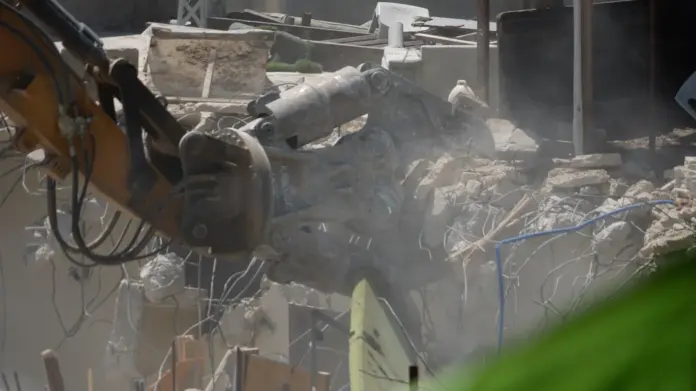
East Jerusalem Palestinians — Half of the homes in the al-Bustan area of East Jerusalem’s Silwan neighbourhood have been demolished since late 2023, leaving approximately 59 properties destroyed and hundreds of residents displaced in what international observers are calling an accelerating campaign to reshape the city’s demographic landscape.
The Jerusalem Municipality has pursued plans for roughly two decades to transform al-Bustan into a biblically-themed attraction called the King’s Garden, a project slated to be administered by a Jewish settler organisation. Residents who refuse to leave face demolition orders and financial penalties — costs and fines that typically run into the tens of thousands of dollars — leaving many families with little practical choice but to abandon homes they have occupied for generations.
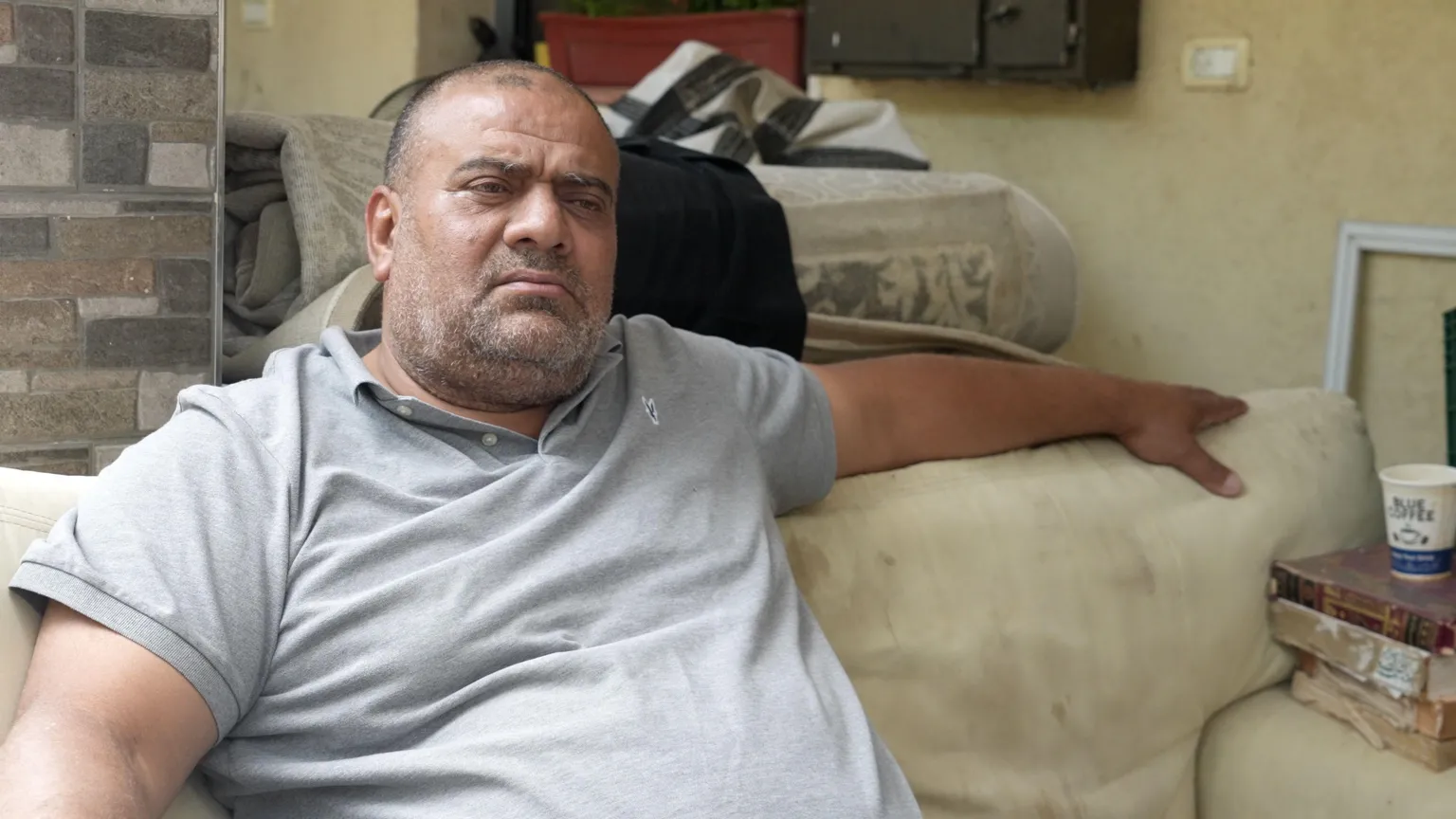
Among those caught in the upheaval is Fayez Awad, 58, whose property in al-Bustan has already been demolished. His experience is emblematic of a broader pattern. Yusra Qweider, 97, faces an eviction notice on the home she has lived in for half a century — her third displacement since 1948, when her family fled from Jaffa during the conflict that accompanied Israel’s founding.
Recommended Reading
The scale of the crisis extends well beyond Silwan. The United Nations estimates that approximately 200 Palestinian households — roughly 900 people — are currently facing eviction cases filed against them in Israeli courts across East Jerusalem. In the Sheikh Jarrah neighbourhood, district planners recently approved construction of a vast ultra-Orthodox yeshiva at the neighbourhood’s entrance, adding to long-standing tensions over land in that area.
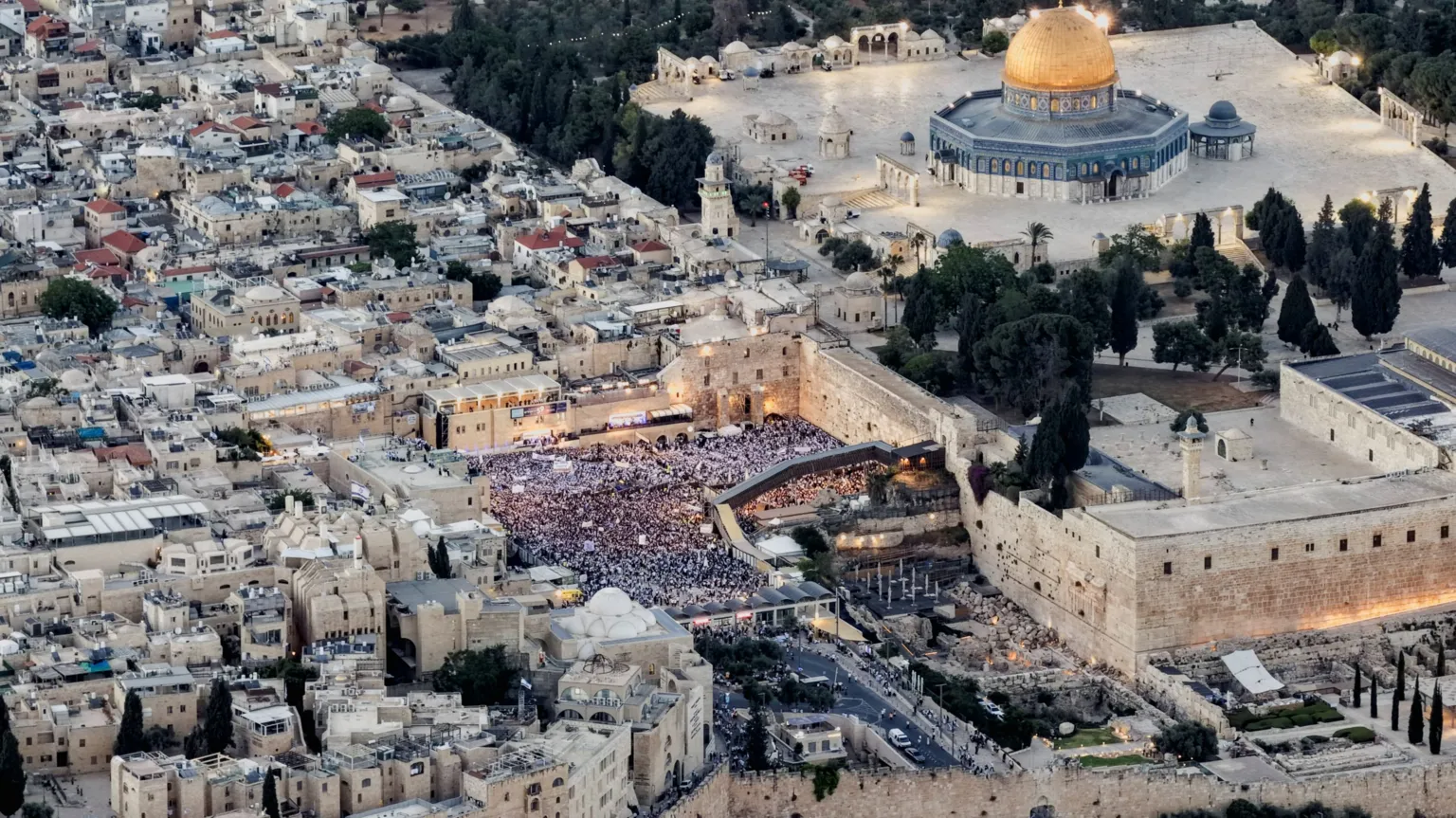
Inside the Old City, a separate dispute centres on a historic yeshiva that was abandoned in 1929 during major sectarian violence in the British Mandate period. A Palestinian Muslim guard, Mohammed Basha Abdulghani, preserved the building in exchange for the right to live in part of it. Twelve remaining members of the Basha family have now been ordered by Jerusalem courts to vacate the premises. Meanwhile, the Israeli government has established an inter-ministry team to examine the potential seizure of dozens of Palestinian-owned properties near Chain Gate, one of the entrances to the al-Aqsa mosque compound — a site that holds profound religious significance as the third holiest place in Islam and, as the Temple Mount, the holiest in Judaism.
The housing squeeze facing Palestinians in Jerusalem is reflected in official planning data. The Israeli human rights organisation Bimkom found that in 2025, just 7% of newly approved housing in Jerusalem was designated for Palestinians — a community that makes up approximately 40% of the city’s population. Israel has constructed around 160 settlements housing 700,000 Jewish residents across the West Bank and East Jerusalem, a policy that international law regards as illegal, as are the forced transfers of populations from occupied territory.
Israel captured East Jerusalem, along with the rest of the West Bank, from Jordan during the 1967 Middle East War. Its subsequent annexation of East Jerusalem has not been recognised by the vast majority of the international community. A new land registration process introduced in East Jerusalem in 2018 has added another layer of legal complexity to property disputes in the city.
East Jerusalem Palestinians: Regional Implications
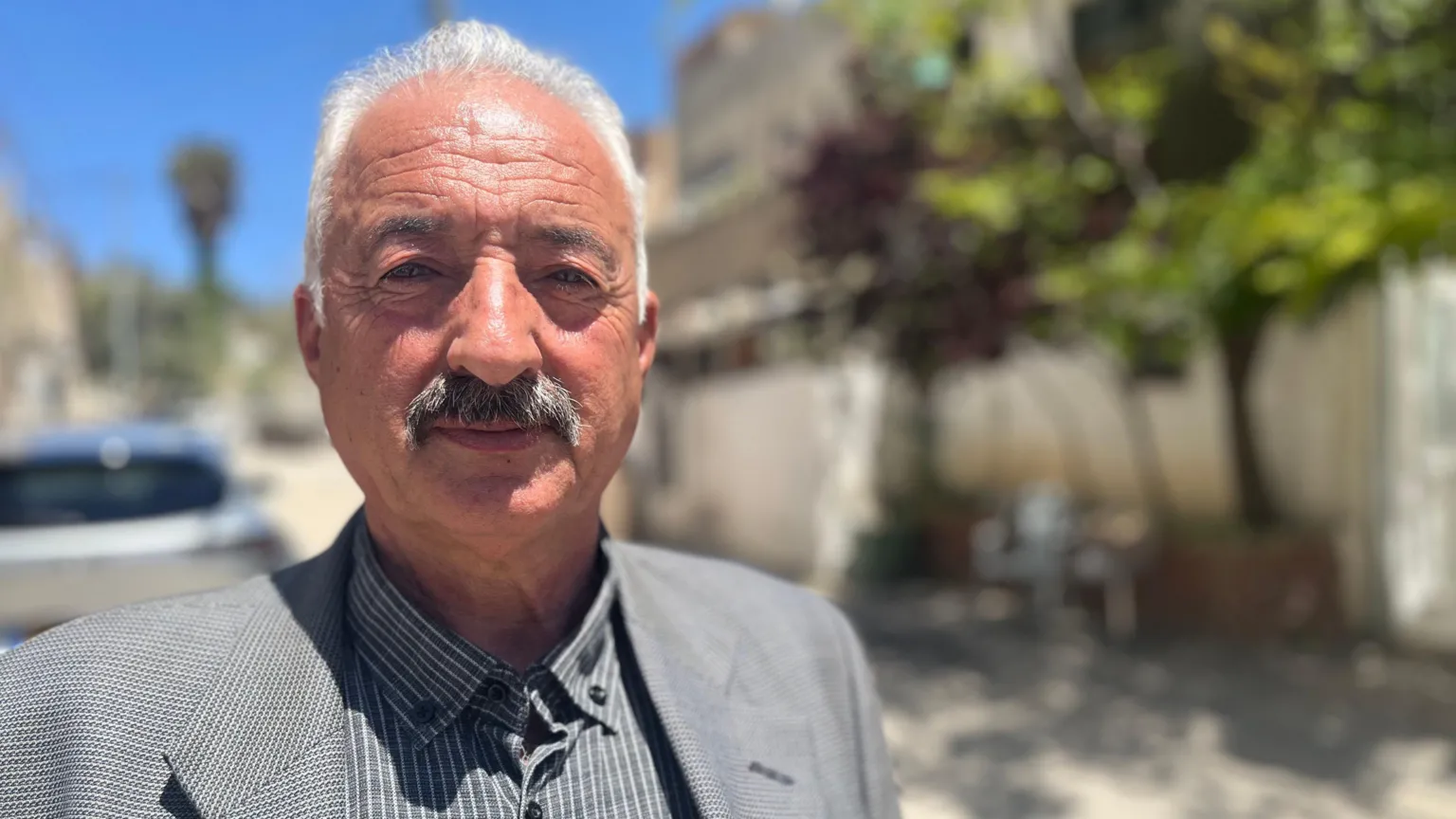
The European Union recently issued a formal statement describing the situation in East Jerusalem and Silwan as ‘dire,’ signalling growing alarm among Western governments over the pace and scope of displacement. Critics argue that the combination of demolition orders, prohibitive fines, restrictive planning policies, and court-ordered evictions amounts to a systematic effort to reduce the Palestinian presence in a city whose final status remains one of the most contested questions in the Israeli-Palestinian conflict.
For residents of al-Bustan, the prospect of a landscaped park rising over the ruins of their neighbourhood makes the stakes viscerally clear. With half the district already gone and legal challenges offering little relief, those who remain are watching the contours of their community disappear, one demolition at a time.