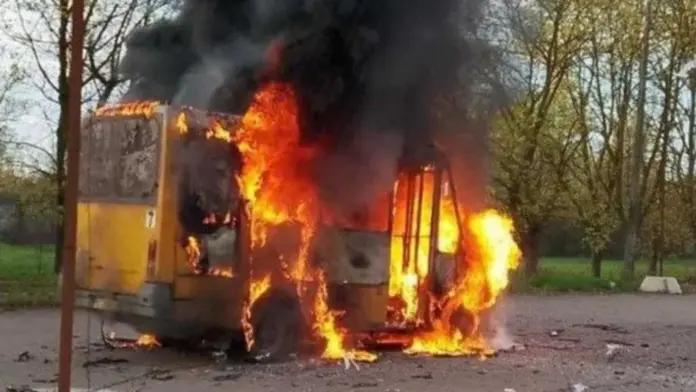
KHERSON, Ukraine — When Anatoly Dmytrov steered his bus along Route 14 earlier this month, a Russian drone found him. The blast shattered every window in the vehicle and sent at least eight passengers to hospital. Dmytrov survived. Not everyone in his profession has been so fortunate.
Kherson Drone Attacks — Kherson’s public transport workers are dying at a pace that city officials describe as an accelerating crisis. Three employees of the municipal transport company have been killed in 2026, and eight more have been wounded. Twenty-one trolleybuses and eight company-operated buses have been damaged this year, alongside six privately run vehicles. The fleet still running numbers roughly 30 buses — a skeletal service for a city whose population has collapsed from approximately 300,000 before the war to around 65,000 today.
The human cost is etched into individual stories. On 3 May, Eduard Zadorozhny was being driven to work in a company van when a Russian drone struck. He suffered a concussion. An engineer colleague riding with him was killed. When an ambulance arrived at the scene, Russian forces targeted that too. Maksym Dyak, another transport worker, was hospitalised earlier in the year with a broken rib and shrapnel embedded in his chest after a separate drone attack.
Recommended Reading
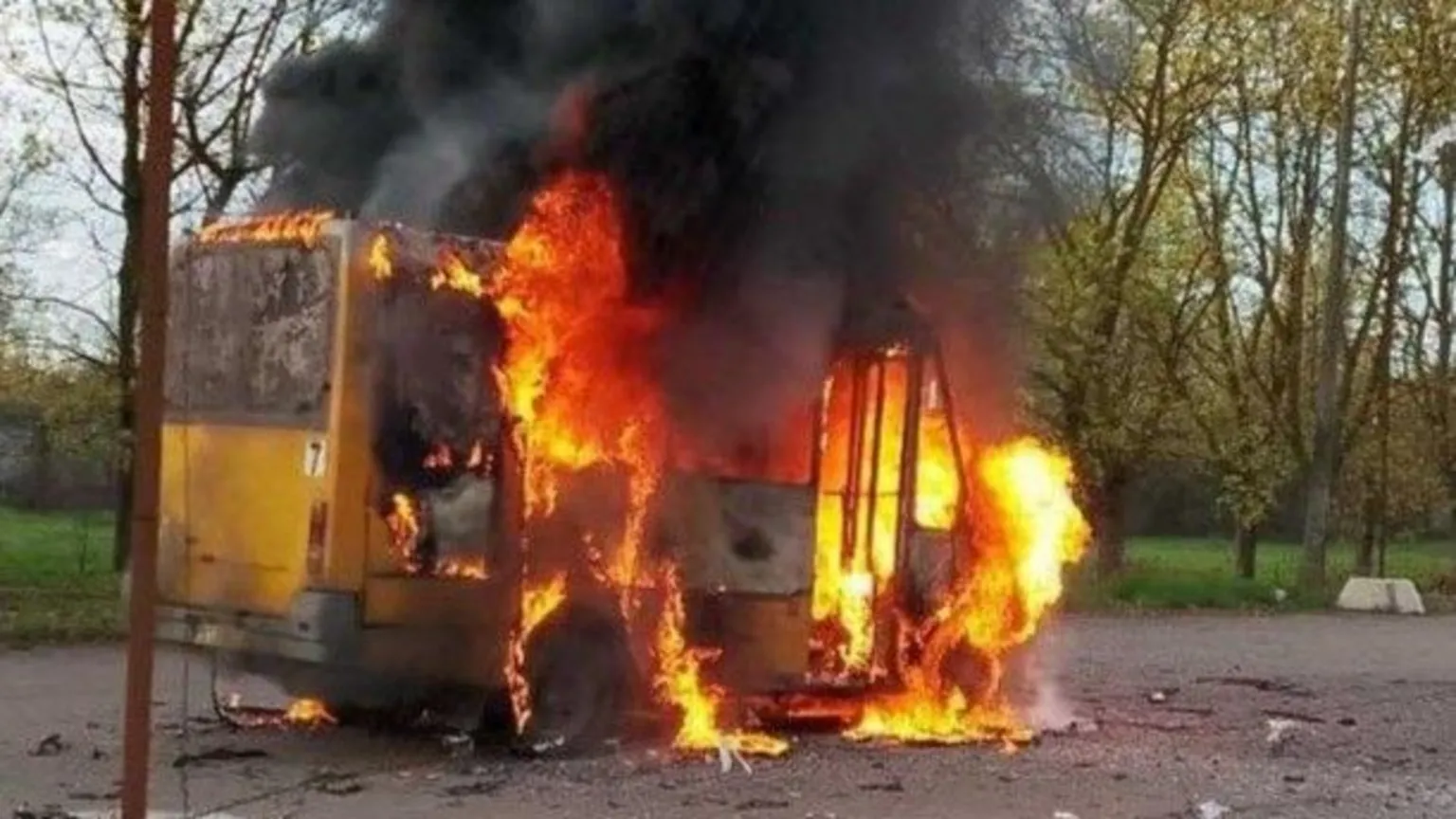
The deadliest single incident came on 11 April, when a bomb was dropped directly through a bus cabin roof, killing the driver instantly.
Authorities have attempted to give drivers some measure of protection. Helmets and bullet-proof vests are now standard issue. Drivers also carry devices known as chuyka — portable drone detectors designed to alert operators to incoming threats. But the technology is being outpaced by Russian innovation. Chuyka units can only identify drones broadcasting on known frequencies. They are blind to a growing class of weapons: drones guided by optic fibre cables, which transmit no detectable radio signal and are entirely immune to jamming or frequency-based detection.
The shift to fibre-optic drone guidance represents a significant tactical evolution that has stripped away one of the few defensive tools available to civilian workers operating in the open city. Some of Kherson’s busiest streets are now draped with anti-drone netting in an effort to shield pedestrians and passing vehicles, but coverage is far from complete.

Kherson occupies a uniquely exposed position in this war. Russian forces seized the city within the first days of their full-scale February 2022 invasion. Ukrainian troops retook it that autumn in one of the conflict’s most celebrated battlefield reversals. Since then, Russian units dug in on the eastern bank of the Dnipro river have bombarded the city continuously — targeting infrastructure, residential areas, and, with increasing frequency, the buses and trolleybuses that keep the remaining population moving.
Kherson Drone Attacks: The Wider European Impact
The city serves as the administrative centre of one of five Ukrainian regions that Russia has formally claimed as its own territory, a claim rejected by Kyiv and its international partners. That political dimension has done nothing to reduce the intensity of the strikes; if anything, the targeting of civilian transport suggests a deliberate effort to make ordinary urban life unsustainable.
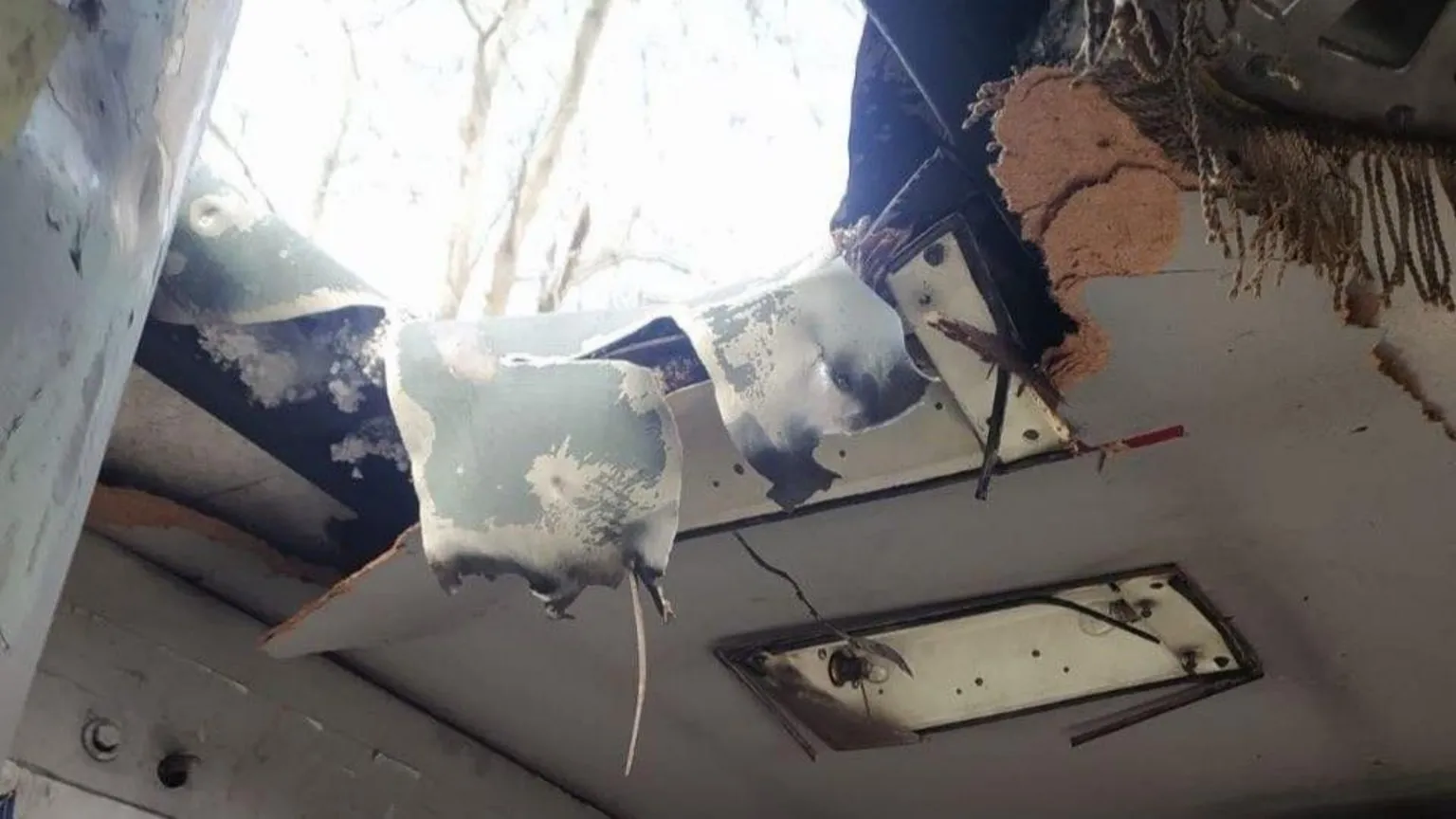
Municipal transport officials say attacks on their vehicles began last year and have grown steadily worse. The company continues to operate despite the losses, a decision that reflects both institutional commitment and the reality that tens of thousands of residents — many of them elderly or without private vehicles — depend on the service to reach hospitals, markets, and workplaces.
For drivers like Dmytrov, each shift is a calculation of risk that no pre-war job description could have anticipated. The route numbers remain the same. The timetables are posted. The buses roll. But the skies above Kherson have changed the nature of the work entirely, transforming municipal bus driving into one of the most dangerous occupations in Ukraine.