BANDAR ABBAS / WASHINGTON — United States forces struck a military site near Iran’s Bandar Abbas port on Wednesday and shot down four Iranian drones threatening the Strait of Hormuz, a dramatic escalation that sent global oil prices surging and cast fresh doubt over fragile diplomatic efforts to end a three-month conflict between the two nations.
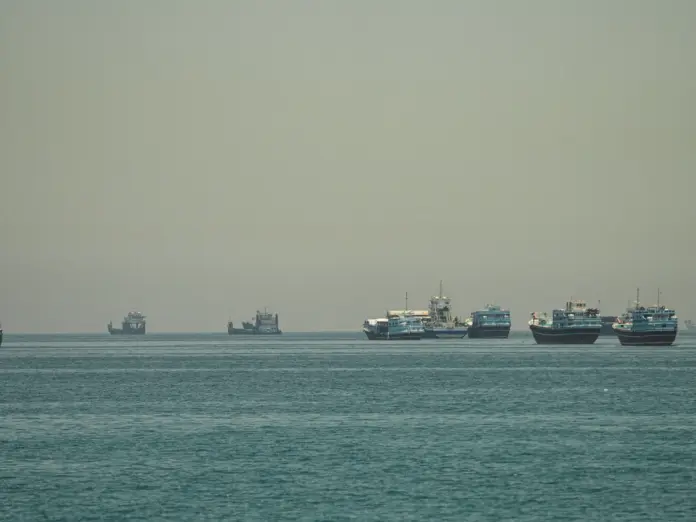
US Central Command confirmed that American forces neutralised the drone threat around the strategically vital waterway, through which approximately one-fifth of the world’s oil and liquefied natural gas supplies normally flows. Iranian state media acknowledged the explosions but insisted they caused no casualties or property damage.
Iran Hormuz Blockade — The IRGC Navy offered a sharply different account of events leading to the exchange, claiming its forces fired on a US tanker it accused of transiting the Strait of Hormuz with its radar switched off — a move Tehran characterised as a deliberate provocation. American forces then responded with strikes near Bandar Abbas, a port city of immense strategic importance to Iran’s naval operations.
Recommended Reading
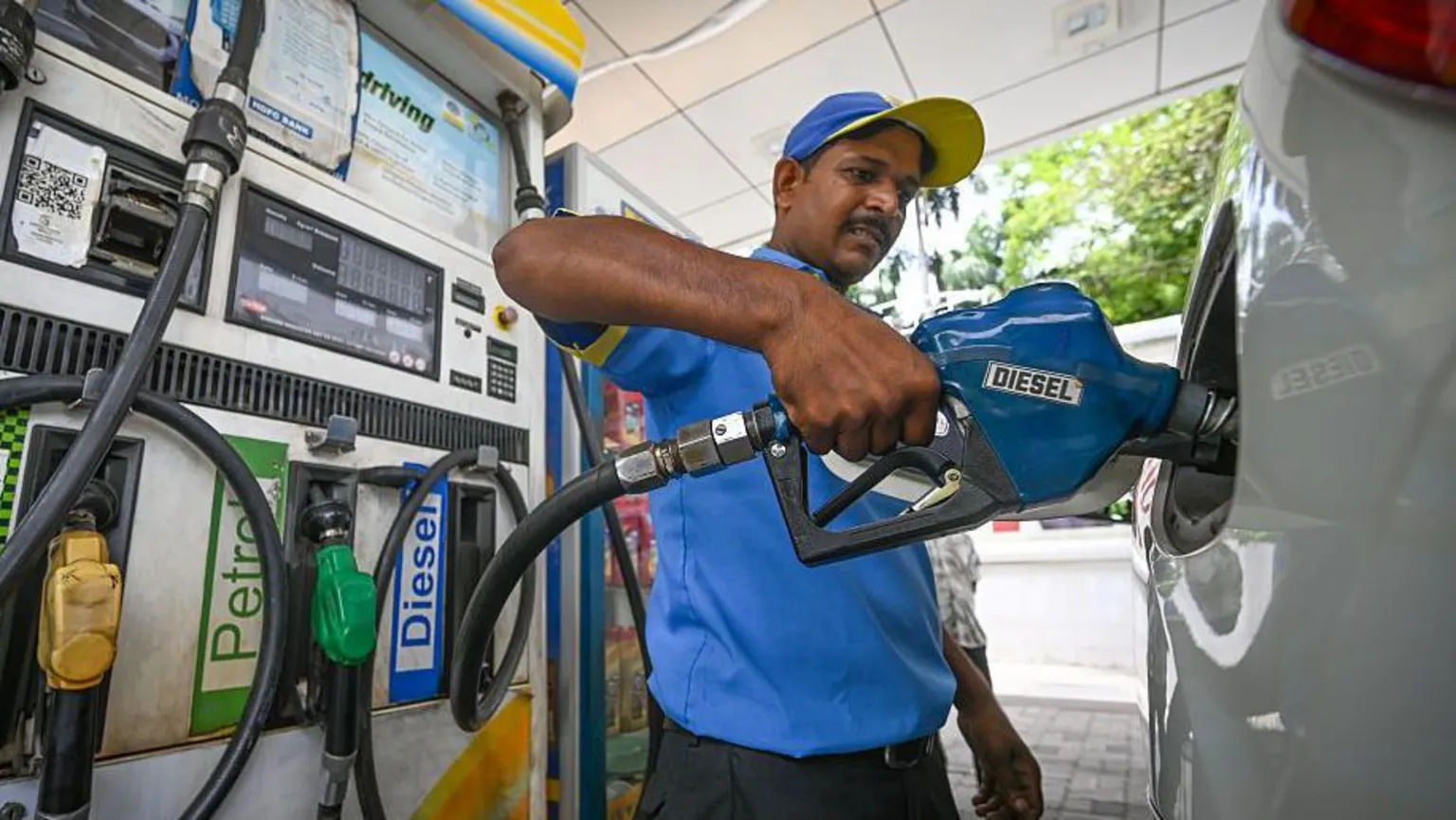
Financial markets reacted immediately. Brent crude climbed 3.75% to $97.83 per barrel, while US-traded crude rose 4% to $92.22 per barrel — a reflection of deep investor anxiety over a waterway that has been effectively closed since the conflict began, driving up energy costs worldwide.
The military exchange unfolded against a tense diplomatic backdrop. President Donald Trump, speaking at a cabinet meeting, declared that ‘nobody is going to control’ the Strait of Hormuz, and warned that Washington would use force against Oman if the Gulf state cooperated with Iran in any effort to dominate the shipping lane. The warning was striking given Oman’s longstanding role as a trusted US ally and a key back-channel mediator in American-Iranian negotiations.
Trump simultaneously insisted he was pursuing a ‘great deal’ with Tehran, but drew firm red lines: Iran must surrender its enriched uranium stockpile and would receive no sanctions relief under any agreement. Iran has consistently and categorically rejected demands to relinquish its uranium reserves, leaving the two sides far apart on the central issue of any potential accord. Trump added that Washington would walk away from any deal that fell short of American interests.
The crisis rippled across the wider region. Kuwait’s military activated its air defence systems, intercepting hostile missiles and drones as warning sirens sounded across the country. Kuwaiti authorities attributed the explosion sounds heard by residents to the interception systems themselves, and reported no damage on the ground.
In Lebanon, the Israeli military ordered residents of parts of Tyre city and the Zaqqoq al-Mufdi area in the south to evacuate immediately, directing civilians to move north of the Zahrani River — roughly 40 kilometres from the Israeli border. Israel stated the targeted buildings were located in proximity to Hezbollah facilities. Hezbollah, for its part, claimed dozens of operations against Israeli troops, tanks, engineering vehicles and military positions, including close-range clashes, strikes on Merkava tanks, an attack on an Iron Dome platform, and drone strikes on positions in the Galilee.
Iran Hormuz Blockade: The Energy Security Dimension
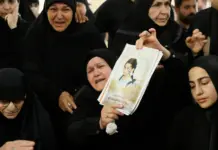
In Gaza, an Israeli strike killed Mohammad Odeh, the commander of Hamas‘s armed wing, on Tuesday night. Dozens of Palestinians marched through Gaza City carrying his body. Odeh’s death came barely a week after Israel killed his predecessor, Izz al-Din al-Haddad, in a separate strike — a pattern of targeted killings that has continued despite an existing ceasefire arrangement, signalling Israel’s sustained campaign against Hamas’s senior military leadership.
The current confrontation between the US and Iran traces its origins to 28 February, when American and Israeli forces launched coordinated attacks on Iran. Tehran responded by threatening to strike vessels using the Strait of Hormuz, and the waterway has remained effectively closed since, inflicting significant damage on global energy markets and supply chains.
With diplomatic talks ongoing but producing no breakthrough, and military incidents now occurring even as negotiators meet, the path toward a resolution appears increasingly narrow. The Strait of Hormuz — through which tankers carry fuel to Europe, Asia and beyond — remains the central prize and the central flashpoint in a crisis with consequences felt far beyond the Persian Gulf.