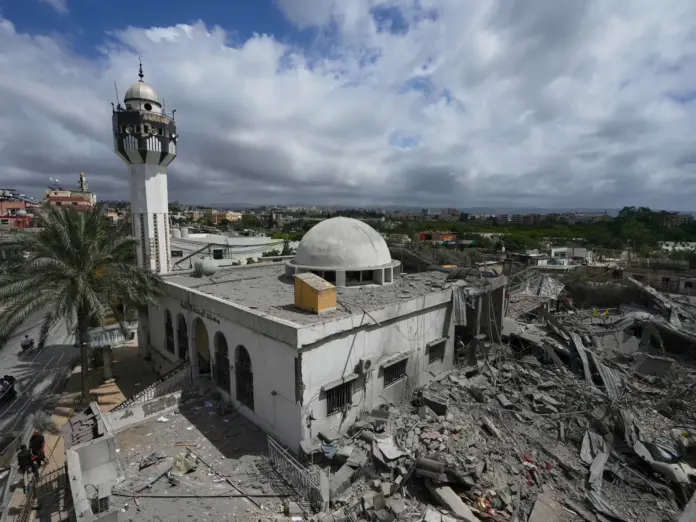
Lebanon Economy Crisis — In the Furn el-Shebbak neighbourhood of Beirut, 51-year-old barber Mario Habib has kept his shop open since 2006, weathering financial collapse, a catastrophic port explosion, and years of political paralysis. Today, he faces what many economists describe as Lebanon’s most complex crisis yet — a convergence of active warfare, energy disruption, and runaway inflation that is dismantling what little economic recovery the country had managed to build.
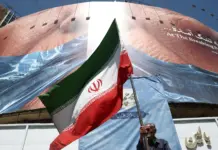
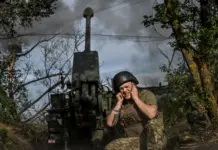
On March 2, 2025, Israel intensified its military campaign in Lebanon, a development that came just two days after the assassination of Ayatollah Ali Khamenei on March 1 — an event that dramatically escalated the broader US-Israel confrontation with Iran. The consequences for Lebanon have been swift and severe. Oil supply from the Gulf region has largely halted following the blockade of the Strait of Hormuz, sending fuel costs surging by approximately 65 percent since March, according to World Bank figures. The ripple effects have pushed global energy prices higher and placed enormous strain on Lebanon’s import-dependent economy.
Inflation reached an 18-month high in March 2025, compounding hardships for ordinary Lebanese who have spent years rebuilding purchasing power lost during the catastrophic 2019 banking crisis, when the national currency shed more than 90 percent of its value following decades of financial mismanagement. The World Bank recorded 3.5 percent GDP growth in Lebanon in 2025, a figure that analysts caution is misleading given the structural vulnerabilities now being exposed. Lebanon’s Bank Audi has projected zero percent GDP growth in 2026 should the war persist.
Recommended Reading
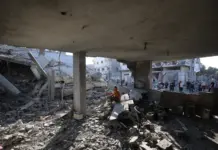
The human cost is staggering. More than 1.2 million people are currently displaced across the country, a figure that has grown since Israel’s intensified attacks in 2024 forced over one million from their homes. Numerous villages in southern Lebanon have been razed entirely. The World Bank estimated in March 2025 that reconstruction and recovery costs from the conflict stand at approximately $11 billion. Lebanon’s Finance Minister placed war-related economic losses for 2026 alone at around $3 billion, a figure disclosed in late April 2025.
The sectoral damage is concentrated in the pillars of Lebanon’s civilian economy. During the 2023–2024 phase of the conflict, agriculture, commerce, and tourism accounted for 77 percent of total economic losses — industries that employ large portions of the working population and that had shown signs of resilience in the years following the Beirut port explosion of 2020, which killed 218 people and devastated the capital’s commercial infrastructure.
The Strait of Hormuz closure has introduced a new and particularly damaging variable. Lebanon relies heavily on remittances from its diaspora, particularly from Lebanese workers in Gulf Cooperation Council countries. In 2023, remittances totalled approximately $6.6 billion, according to World Bank data — a lifeline for hundreds of thousands of families. A 2023 UNDP report warned that oil price volatility directly affects the income and remittance capacity of Lebanese workers in the Gulf. With energy costs now elevated sharply, that flow of funds faces renewed pressure.
Lebanon Economy Crisis: Regional Implications
The current crisis is layered atop a decade of compounding disasters. The 2019 banking collapse wiped out savings and access to credit for much of the population. The 2020 port explosion killed scores and destroyed critical infrastructure. In October 2023, Hezbollah and Israel entered open conflict, and by 2024 Israeli strikes had displaced more than a million people. A ceasefire between Israel and Hezbollah was reached in November 2024, but the fragile calm shattered with the March 2025 escalation.
For business owners like Mario Habib, who has operated his barber shop through each successive crisis, the question is no longer about recovery — it is about survival. The compounding weight of war, energy disruption, currency weakness, and displacement has created conditions that economists warn could push Lebanon’s economy into a prolonged contraction, erasing the modest gains of recent years and deepening a humanitarian emergency that already stretches the country’s institutions to their limits.