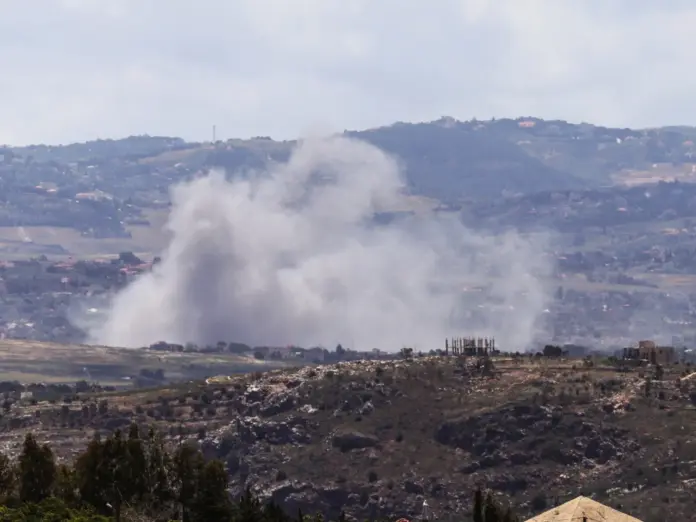
Israeli Strikes Lebanon — Israeli air and drone strikes killed at least eight people across southern Lebanon on Wednesday, compounding a surge of violence that claimed 16 lives the previous day and raising urgent questions about the durability of a fragile, United States-brokered ceasefire.
The deadliest single strike hit the village of Doueir, where Israeli fighter jets flattened several homes, killing five people and wounding two others. In the village of Tibnin, two people were killed in an attack near a local hospital. A drone strike in Burj Shemali, in the Tyre district, killed one person riding a motorcycle. The Red Cross separately recovered a body on the outskirts of Shebaa, in the Nabatieh governorate.
Tuesday’s toll was even heavier. Sixteen people died in Israeli air attacks across the south, with Lebanon’s Health Ministry confirming that three women and three children were among the victims — a detail underscoring the civilian cost of the campaign.
Recommended Reading
Hezbollah reported active clashes with Israeli ground forces in multiple locations, including the village of Haddatha, where troops were attempting to advance toward the village centre, as well as in the town of Biyyada and the municipality of Rashaf. The militant group’s engagement across several fronts simultaneously signals that fighting has intensified well beyond isolated skirmishes.
Israeli forces have also expanded their military campaign into the western Bekaa Valley, targeting villages with predominantly Muslim Shia populations where Hezbollah commands significant support. The move represents a geographic broadening of operations that had previously been concentrated in the south.
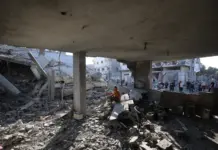
The scale of destruction in southern Lebanon has been severe. Entire villages have been razed, and the human displacement crisis has reached staggering proportions. Since March 2, Israeli strikes have killed 3,073 people and injured a further 9,362, according to Lebanese authorities. More than 1.6 million people — roughly one-fifth of Lebanon’s entire population — have been forced from their homes.
Among those uprooted is Yousef Hasan, who was displaced from the town of Yuhmor, one of countless residents scattered by the relentless pace of strikes on civilian infrastructure and residential areas.
The violence unfolds against the backdrop of a ceasefire agreement brokered by the United States, which was recently extended to run until the beginning of July. The agreement was intended to halt hostilities and create space for diplomatic progress, but the sustained pace of Israeli strikes and Hezbollah’s reported ground clashes suggest the accord is under severe strain. Neither side has publicly declared the ceasefire void, yet the operational tempo on the ground tells a markedly different story.
Israeli Strikes Lebanon: Regional Implications
International humanitarian organisations have struggled to keep pace with the crisis. The Red Cross remains active in recovering casualties from areas where access is limited and danger is acute, as illustrated by Wednesday’s recovery operation near Shebaa.
The pattern of strikes — targeting villages, flattening residential buildings, and killing civilians near medical facilities — has drawn condemnation from human rights advocates who argue that the campaign is inflicting disproportionate harm on non-combatant populations. Lebanese officials have repeatedly called for international intervention to enforce the ceasefire and halt what they describe as systematic destruction of the country’s south.
With the July deadline for the extended ceasefire approaching and no visible diplomatic breakthrough on the horizon, the trajectory of the conflict points toward further escalation. The expansion into the western Bekaa Valley, combined with ongoing ground clashes and daily air strikes, suggests that both Israel and Hezbollah are positioning for a prolonged confrontation rather than a negotiated pause.