Washington / Tehran — President Donald Trump announced Monday he has called off a military strike against Iran scheduled for Tuesday, pointing to what he described as serious ongoing negotiations and crediting Gulf Arab leaders with persuading him to hold fire — at least for now.
Iran Strike Halted — Trump directed Secretary of War Pete Hegseth, Chairman of the Joint Chiefs of Staff General Daniel Caine, and the broader US military apparatus to stand down from the planned operation. He simultaneously warned that American forces would be ready to launch a full-scale assault on short notice should diplomacy collapse. "Clock is Ticking," Trump had written on Sunday, a day before announcing the pause.
The decision followed direct appeals from Qatari Emir Tamim bin Hamad Al Thani, Saudi Crown Prince Mohammed bin Salman, and leaders of the United Arab Emirates, all of whom urged Washington to allow more time for talks. Trump said he had been informed a deal could be reached on terms "very acceptable" to the United States.
Recommended Reading
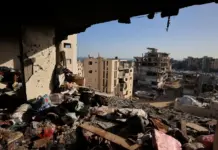
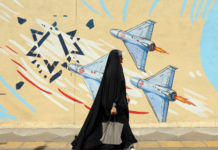
The conflict began on February 28, when Israeli and US forces launched massive air strikes against Iran. Tehran retaliated with waves of drones and missiles targeting Israel and American assets across the Gulf, drawing Gulf states into the crossfire. A ceasefire was brokered on April 8, but it has remained deeply fragile, with both sides accusing the other of repeated violations. Trump himself had previously described the truce as being on "massive life support."
At the heart of the diplomatic impasse lies a sweeping set of competing demands. Washington has sought to permanently limit Iran‘s uranium enrichment capacity, sever its ties to regional allies, and dismantle its missile arsenal and navy. The most recent US proposal reportedly included a demand that Iran reduce its operational nuclear sites to just one and transfer its stockpile of highly enriched uranium to American custody. Iran has dismissed these conditions as excessive.
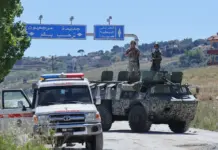
Tehran, for its part, has demanded an immediate end to hostilities on all fronts — including Israeli operations against Hezbollah in Lebanon — along with a halt to the US naval blockade of Iranian ports, compensation for war damage, guarantees against future attacks, and formal recognition of Iranian sovereignty over the Strait of Hormuz. Iran has also called for the release of frozen Iranian assets and the lifting of foreign sanctions. Iranian media reported that Washington has yet to offer any concrete concessions.
Control of the Strait of Hormuz has emerged as one of the most combustible sticking points. Iran has effectively closed the waterway, through which approximately 20 percent of the world’s oil and liquefied natural gas normally flows. The US has responded with a naval blockade of Iranian ports. The resulting disruption has driven fuel prices sharply higher globally, prompting the US Treasury Secretary Scott Bessent to announce a 30-day window allowing the most vulnerable nations temporary access to blocked Russian oil in an effort to stabilise crude markets.
Pakistan has been serving as a key intermediary since the conflict began, with Iranian officials confirming that exchanges with Washington are continuing through Pakistani mediators. Iran said it had responded to the latest US proposal, though Iranian media characterised the American position as lacking substance. In late April, Trump announced he would send envoy Steve Witkoff and son-in-law Jared Kushner to Pakistan for negotiations, before reversing that decision.
Iran Strike Halted: Regional Implications
Iranian President Masoud Pezeshkian struck a defiant but measured tone, posting on social media that "Dialogue does not mean surrender." Iran’s Supreme Leader Mojtaba Khamenei issued a sterner warning, cautioning that new fronts would be opened in places where the enemy had little experience. A senior Iranian military commander told Washington not to make "strategic mistakes and miscalculations again."
The war has cost the United States at least $29 billion so far, according to Pentagon officials, and public support is eroding rapidly. A New York Times/Siena poll published Monday found that 64 percent of US adults believe going to war with Iran was the wrong decision. The same survey placed Trump’s overall job approval rating at just 37 percent — a figure that carries particular weight as his Republican Party faces stiff competition in November’s midterm elections.
Trump has maintained throughout the conflict that military action was necessary to prevent Iran from acquiring a nuclear weapon. Iran has consistently denied pursuing one. Whether the latest diplomatic pause translates into a durable agreement — or merely delays the next escalation — remains deeply uncertain, with both sides holding maximalist positions and a fragile ceasefire already showing signs of collapse.