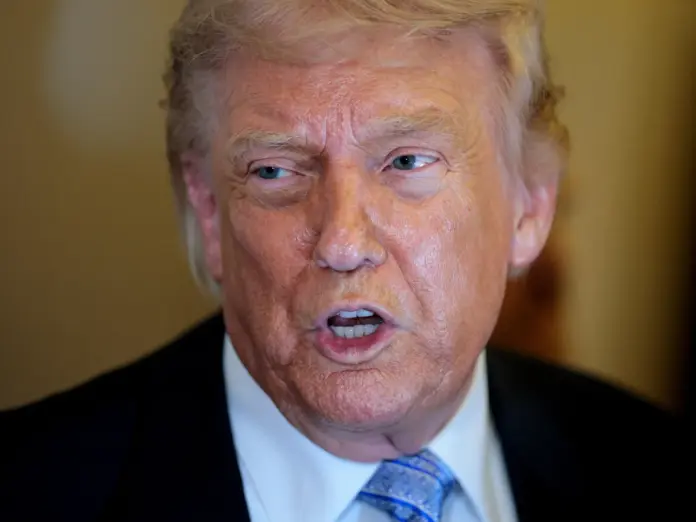
Abu-Bilal al-Minuki, identified by the United States as the second-highest-ranking official in the global Islamic State network, has been killed in a joint military operation carried out by American and Nigerian forces in Africa. President Donald Trump announced the death on Truth Social, declaring the mission "flawlessly executed" and describing al-Minuki as "the most active terrorist in the world."
Isis Second-In-Command Killed — Al-Minuki, also known as Abu Bakr ibn Muhammad ibn Ali al-Mainuki, had been under US sanctions since 2023, when the State Department formally designated him a Specially Designated Global Terrorist. Washington identified him as a Sahel-based senior leader embedded within ISIL’s General Directorate of Provinces — the organisation’s central administrative body responsible for channelling operational guidance and financing to affiliated cells worldwide.
Trump stated that al-Minuki’s death disrupts Islamic State funding channels and command structures, and that he "will no longer terrorize the people of Africa or help plan operations to target Americans." The president thanked the Nigerian government for its partnership in the operation, framing the joint mission as a significant milestone in the two countries’ expanding counterterrorism cooperation.
Recommended Reading
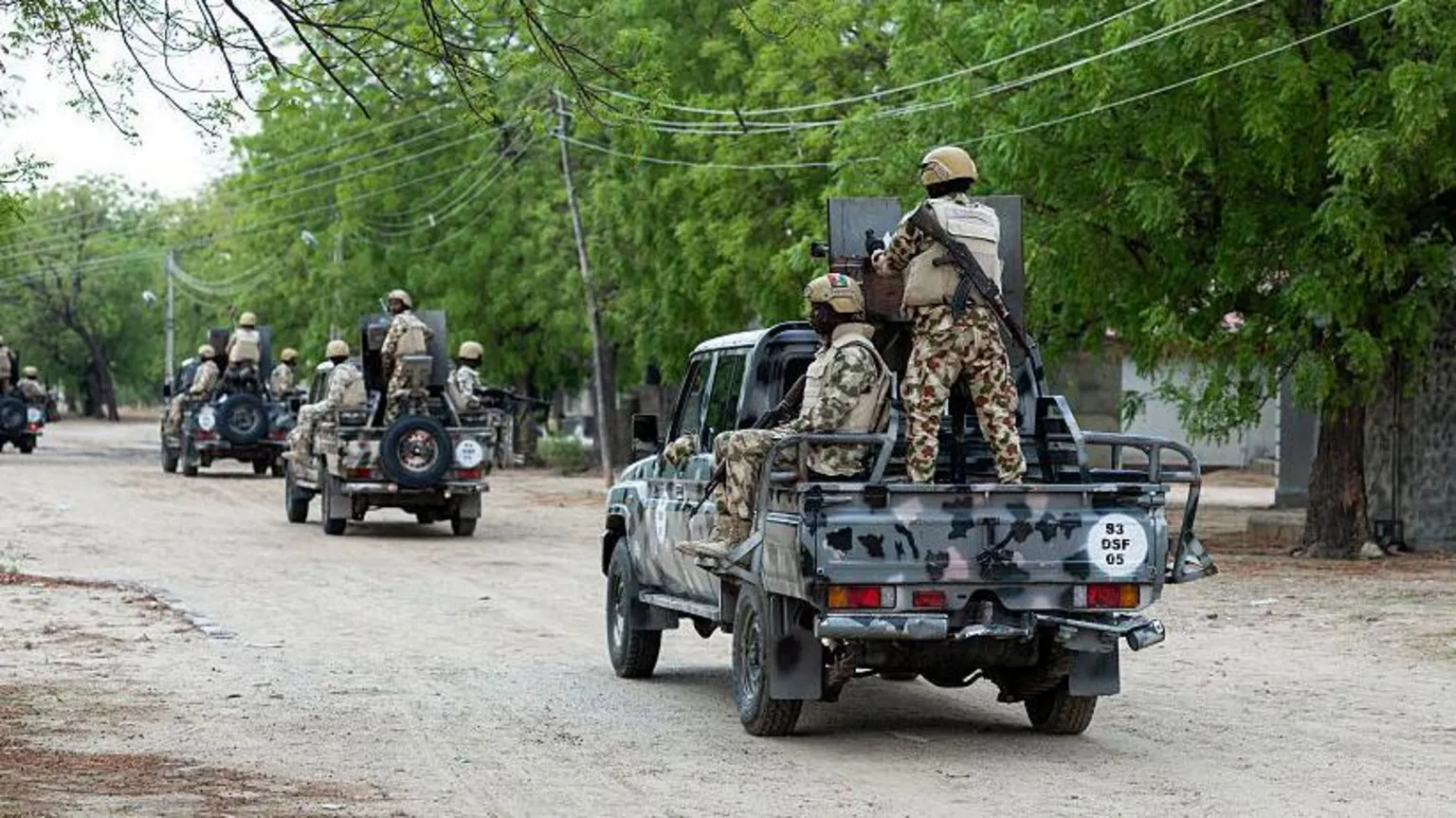
Al-Minuki played a pivotal role in directing Islamic State West Africa Province (ISWAP) cells across the continent. That affiliate has entrenched itself across the Lake Chad Basin and the broader Sahel region, maintaining cross-border networks extending into Niger, Chad, and Mali. His elimination removes a figure who served as a critical link between ISIL’s central leadership and its African franchises.
The operation marks the latest in a series of joint counterterrorism actions between Washington and Abuja. Last Christmas Day, US and Nigerian forces conducted a joint airstrike in Sokoto State, targeting ISIL-linked fighters in Nigeria’s northwest. Hundreds of American troops are currently deployed in Nigeria in a technical support and intelligence-sharing capacity. Nigerian authorities have consistently characterised the US military presence as strictly noncombat.
The announcement comes against a backdrop of heightened jihadist violence across Nigeria. In April, Islamic State claimed responsibility for a gun attack that killed at least 29 people at a football pitch in the north-eastern Adamawa State — a stark illustration of the threat ISWAP continues to pose to civilian populations. The group has exploited ungoverned spaces and inter-communal tensions to expand its footprint across the country’s north.
The killing also carries symbolic weight within the broader trajectory of the Islamic State movement. Since the death of founder Abu Bakr al-Baghdadi in 2019, the organisation has sought to reconstitute its leadership and shift operational weight toward its African affiliates. Al-Minuki’s role within the General Directorate of Provinces made him central to that effort, coordinating resources and strategy across multiple continents.
Isis Second-In-Command Killed: What This Means for the Sahel
The operation unfolds amid a complicated diplomatic relationship between Washington and Abuja. Trump has previously accused Nigeria of failing to do enough to protect Christian communities from armed group attacks in the country’s northwest. The Nigerian government has rejected those characterisations, maintaining that militant violence targets both Muslim and Christian communities indiscriminately.
The Nigerian military had not issued a public statement on the operation at the time of Trump’s announcement. The absence of an official Nigerian response leaves open questions about the precise nature of the mission, its location, and the specific forces involved. Trump’s Truth Social post offered no operational details beyond crediting the joint effort and praising its execution.
The killing of al-Minuki represents one of the most significant counterterrorism strikes against the Islamic State’s senior leadership since al-Baghdadi’s death, and underscores the growing strategic importance of West Africa as a front line in the global campaign against jihadist networks.