Senate War Powers Vote — A Senate bid to rein in President Donald Trump‘s war-making powers against Iran collapsed by a single vote on Wednesday, with the chamber rejecting the measure 50-49 in what marked the seventh such attempt since hostilities began. Despite rare Republican defections, the outcome underscored the formidable obstacles facing lawmakers seeking to reassert congressional authority over a conflict that has rattled energy markets and divided the American public.
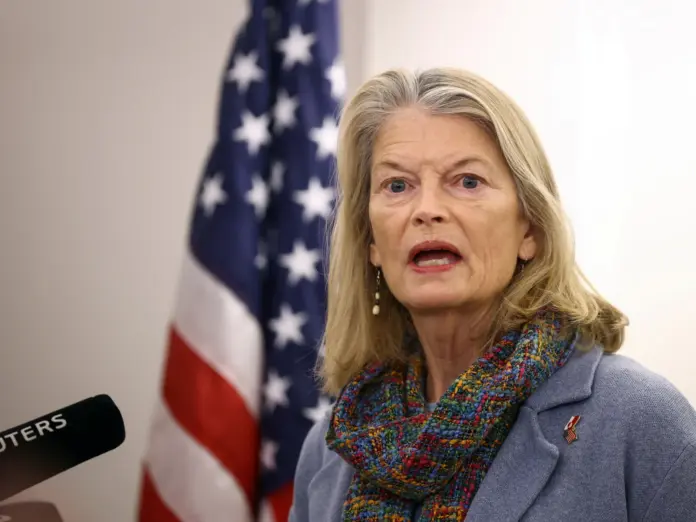
Three Republican senators broke with their party to support the War Powers Resolution: Lisa Murkowski of Alaska, who backed the measure for the first time; Susan Collins of Maine, who voted in favour for the second time; and Rand Paul of Kentucky, a longtime sceptic of executive military overreach. Their defections were partially offset by Democratic Senator John Fetterman, who crossed the aisle to vote against the resolution alongside the Republican majority.
Senator Tim Kaine led the Democratic push to advance the vote, framing the effort as a constitutional imperative. The US Constitution vests sole authority to declare war in Congress — a provision that critics argue Trump bypassed entirely when he ordered strikes against Iran without seeking legislative approval.
Recommended Reading
The War Powers Resolution, enacted in 1973 in the aftermath of the Vietnam War, was designed to prevent precisely this kind of unilateral executive action. Yet the Republican-controlled Senate and House of Representatives make passage of any such bill a remote prospect, and Trump would almost certainly veto the legislation even if it cleared both chambers.
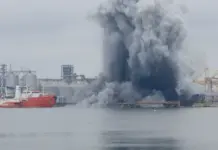
The vote arrived against a backdrop of mounting economic strain. The average price of a gallon of petrol in the United States has surpassed $4.50, more than $1.50 higher than before the war began. A US naval siege around Iran has deepened an energy crisis already aggravated by the blockade of the Strait of Hormuz — a chokepoint for global oil shipments that Trump moved to seal in response to the US and Israeli military campaign. A ceasefire came into effect last month, but the Iranian blockade remains in place, prolonging the supply disruption.
Public unease is growing. A Reuters/Ipsos poll found that two-thirds of American voters do not believe Trump has clearly explained why the country went to war with Iran. That sentiment was sharpened on Tuesday when Trump stated that the financial hardship facing ordinary Americans would not factor into his negotiations to end the conflict — remarks that drew immediate pushback. Vice President JD Vance said on Wednesday that the president’s comments had been misrepresented.
The question of Iran’s nuclear ambitions has loomed over the entire episode. Tehran has repeatedly denied pursuing a nuclear weapon, a position that received an unexpected endorsement from within the administration itself: Trump’s own intelligence chief, Tulsi Gabbard, told lawmakers last year that Iran is not building a nuclear bomb.
Senate War Powers Vote: Regional Implications
The political calculus for the Republican dissenters is not straightforward. Collins, who faces a competitive re-election campaign in Maine, has now twice defied her party on the issue. Murkowski’s decision to vote in favour of the resolution for the first time signals a potential shift among moderate Republicans uncomfortable with the scope of presidential war powers being exercised without congressional sanction.
For Kaine and his Democratic allies, the 50-49 result — agonisingly close but ultimately insufficient — represents both a moral argument and a strategic one. Each vote chips away at the administration’s claim of broad political support for the war, even as the legislative path to constraining Trump’s authority remains effectively blocked. With fuel costs biting, public confidence wavering, and the Strait of Hormuz still closed to normal traffic, the pressure on the White House to offer a clearer account of its war aims is unlikely to ease.