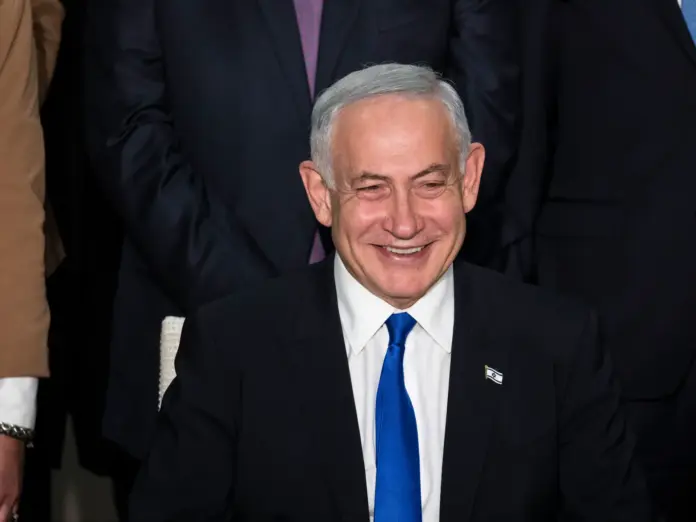
ABU DHABI — Israeli Prime Minister Benjamin Netanyahu has visited the United Arab Emirates for a face-to-face meeting with President Sheikh Mohamed bin Zayed Al Nahyan, with Netanyahu’s office hailing the trip as a "historic breakthrough" in relations between the two countries.
Netanyahu Uae Visit — Netanyahu’s office announced the visit on Wednesday via social media, though it did not disclose the precise date of the meeting. The UAE offered no immediate confirmation of the encounter, a silence that underscored the diplomatic sensitivity surrounding the trip.
The visit takes place against the backdrop of a broader regional crisis. The United States and Israel began bombing Iran in late February, prompting Tehran to retaliate with missile and drone strikes against the UAE and other Arab states. A fragile ceasefire between Iran and the US has been in place since April 8, though tensions across the Gulf remain acute.
Recommended Reading
The UAE was among the Arab nations struck by Iranian attacks on May 5. In the immediate aftermath, Netanyahu telephoned Sheikh Mohamed bin Zayed to express solidarity and support for security measures — a call the Emirati president also received from several other regional leaders. That phone call appears to have laid the groundwork for the in-person summit.
Reinforcing the security dimension of the relationship, US Ambassador to Israel Mike Huckabee confirmed that Israel had deployed Iron Dome air defence batteries and personnel to the UAE. Huckabee made the disclosure at an event in Tel Aviv on Tuesday, where he praised the UAE as a model of expanding Israel-Gulf Arab cooperation.
The visit builds on the Abraham Accords, the US-brokered normalisation agreement signed in Washington on September 15, 2020, under which Israel and the UAE established full diplomatic relations. UAE Foreign Minister Sheikh Abdullah bin Zayed Al Nahyan and Netanyahu signed the accords on behalf of their respective countries. As part of the deal, Israel agreed to suspend plans to annex parts of the occupied West Bank, including the Jordan Valley.
Palestinian leaders condemned the Abraham Accords at the time as a "stab in the back," and the years since have done little to ease those grievances. Israel has launched a sustained war on the Gaza Strip and conducted near-daily raids in the occupied West Bank and Lebanon since the accords were signed, deepening Palestinian anger at Arab states that chose normalisation over solidarity.
Netanyahu Uae Visit: Regional Implications
Netanyahu’s regional diplomacy also carries significant legal complications. Since November 2024, he has been evading an arrest warrant issued by the International Criminal Court on war crimes charges related to the conflict in Gaza. The warrant places him at legal risk in any country that is a signatory to the Rome Statute, though the UAE is not among them, providing Netanyahu with a degree of legal cover for the visit.
The deployment of Israeli air defence systems to the UAE marks a striking evolution in the security relationship between the two countries — one that would have been unthinkable before the Abraham Accords. For the UAE, battered by Iranian strikes and navigating a volatile neighbourhood, the practical benefits of Israeli military technology appear to be outweighing the political costs of deepening ties with Tel Aviv.
Whether the visit produces concrete new agreements or remains largely symbolic, it signals that both governments view their partnership as durable enough to withstand the turbulence of a region at war.