North Korea Russia Bridge — A road bridge linking North Korea and Russia across the Tumen River is set to open within weeks, satellite imagery analysis confirms, marking a significant physical manifestation of the deepening military and economic partnership between Pyongyang and Moscow forged in the shadow of the Ukraine war.
The Khasan–Tumangang Bridge, stretching approximately one kilometre across the river, is scheduled for completion on 19 June, according to Russia’s embassy in North Korea. A ceremony marking the joining of the two sides of the structure was held on 21 April, with satellite imagery revealing not only the bridge itself but a network of new access roads, a border checkpoint, parking facilities and supporting infrastructure on both banks.
The crossing sits just a few hundred metres from the existing Friendship Bridge, a rail link that has carried heavy traffic throughout the construction period. Unlike the rail bridge, the new road crossing is designed to handle up to 300 vehicles and 2,850 people per day, according to Russia’s transport ministry. Russian and North Korean drivers are expected to transfer goods at the border rather than travel deeper into each other’s territories, reflecting longstanding restrictions on cross-border vehicle operations.
Recommended Reading
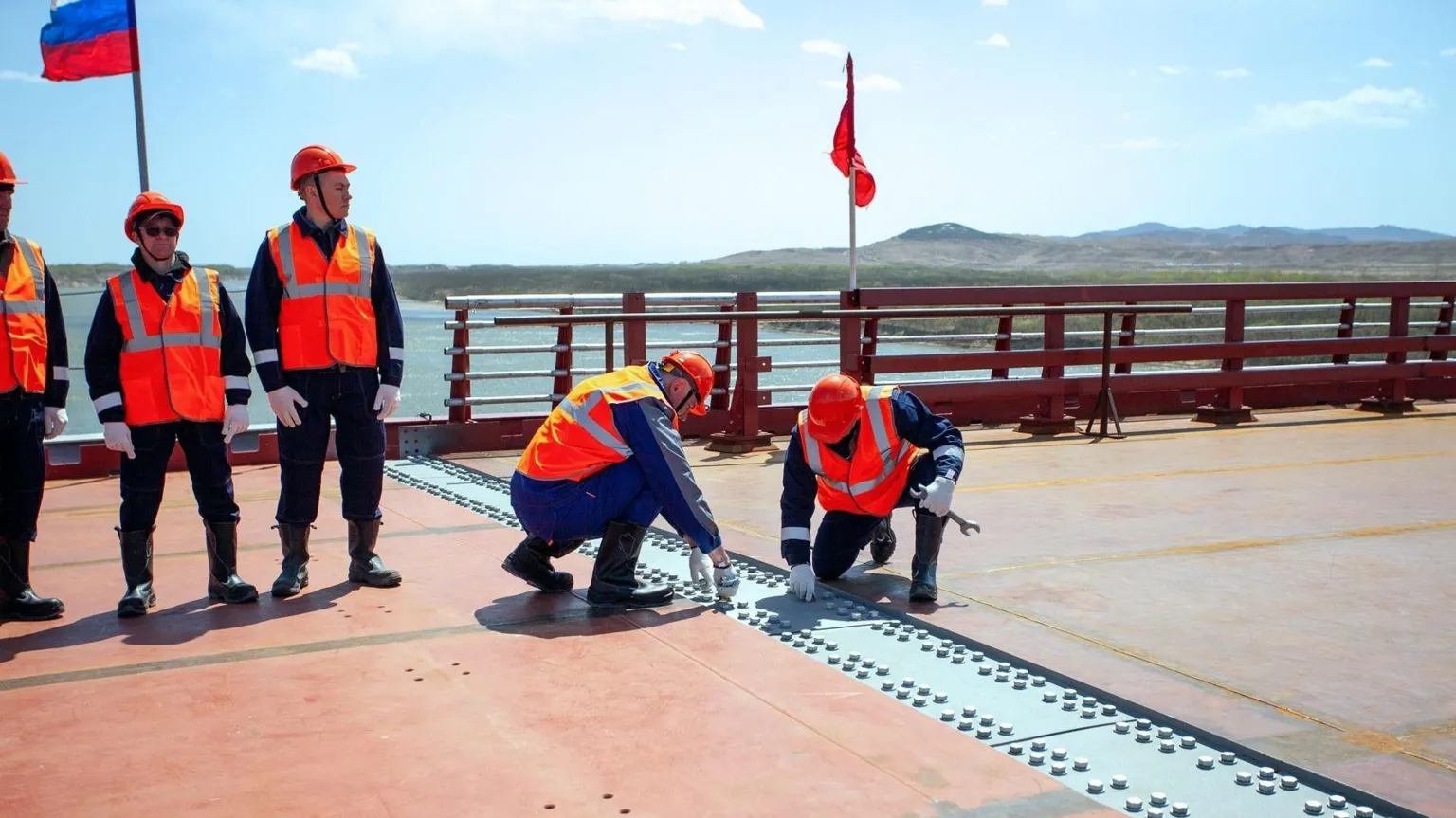
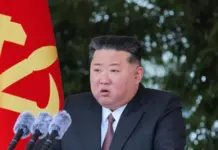
The total cost of the project is estimated to exceed 9 billion roubles — roughly £88 million or $120 million — according to Russian state media. Construction began approximately one year after the agreement to build the bridge was reached during Vladimir Putin’s visit to Pyongyang in June 2024, when the Russian president met Kim Jong Un and the two leaders signed a landmark mutual defence pact pledging military assistance if either country faced aggression.
That agreement has since translated into tangible military cooperation on a significant scale. South Korea estimates that North Korea has dispatched approximately 15,000 troops to support Russia’s invasion of Ukraine, of whom around 2,000 are believed to have died in combat. In a striking acknowledgement of those losses, Kim Jong Un and Russian Defence Minister Andrey Belousov jointly unveiled a memorial in Pyongyang honouring North Korean soldiers killed in the conflict. Belousov also held talks with North Korean officials on long-term military cooperation during the same visit.
The economic dimensions of the partnership are equally significant. North Korea is widely believed to have received food, fuel and military technology from Russia in exchange for providing troops and artillery shells — a transactional arrangement that has given Pyongyang tangible material benefits while supplying Moscow with manpower and munitions it has struggled to produce domestically at sufficient scale.
The new bridge represents a structural upgrade to what was, until recently, one of the quietest border crossings in the world. The Tumen River link between the two countries was described as among the most dormant bilateral connections globally before Russia’s full-scale invasion of Ukraine in February 2022 transformed the strategic calculus for both governments. Rail traffic over the Friendship Bridge has remained elevated throughout the construction of the road crossing, underscoring how dramatically the volume of bilateral exchange has grown.
North Korea Russia Bridge: Peninsula Security in Context
The completion of the Khasan–Tumangang Bridge will provide a dedicated road corridor capable of moving personnel, equipment and commercial goods with a flexibility that rail alone cannot offer. For Russia, it offers an additional logistical channel at a time when Western sanctions have placed enormous pressure on its supply chains. For North Korea, it deepens integration with its most powerful patron and provides economic relief to a country long isolated by international restrictions.
The bridge’s opening, expected to coincide almost exactly with the first anniversary of the Putin-Kim summit that initiated the project, will serve as a potent symbol of how rapidly the two countries have moved to institutionalise a partnership that extends well beyond diplomacy into shared military operations, defence industry cooperation and physical infrastructure binding their territories together.