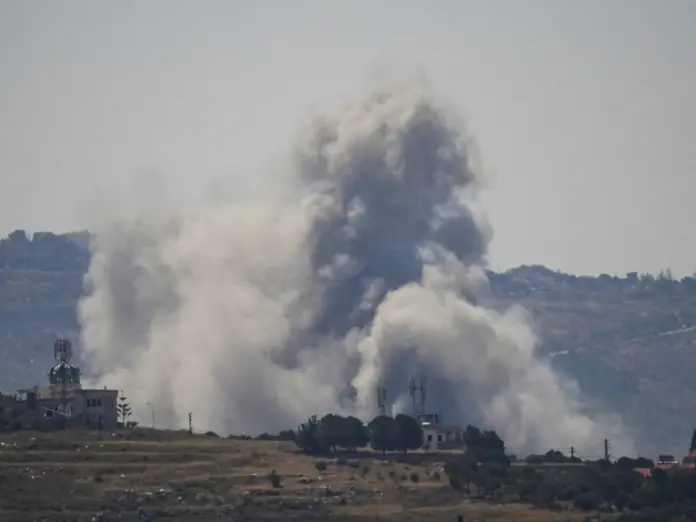
BEIRUT — Israeli air strikes tore through multiple communities in southern Lebanon on Monday, killing at least 14 people and wounding dozens more, as Iran issued its starkest warning yet that continued Israeli aggression would trigger "much more severe and crushing measures." The bloodshed marked a sharp intensification of a conflict that has already claimed more than 3,600 Lebanese lives since March.
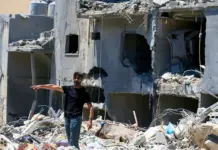
Israel Lebanon Strikes — The deadliest single strike hit Zefta in the Nabatieh district, killing seven people — among them a Syrian child and a woman — and wounding eight others. In Tyre, an Israeli strike near a Red Cross centre killed five people and wounded eight, including four paramedics. The blast also damaged a UNESCO World Heritage Site in the ancient coastal city. A further strike on al-Marwaniyah in the Sidon district killed two people, including a child, and wounded ten. Israeli artillery additionally shelled the village of Touline.
The strikes follow an Israeli attack on Beirut on Sunday that triggered the latest flare-up between the two sides. Hezbollah claimed to have carried out 16 operations against Israeli forces on Monday in response, including the destruction of two Israeli military bulldozers near Beaufort Castle in Yohmor al-Shaqif and the interception of an Israeli drone over Iqlim al-Tuffah.
Recommended Reading
Israeli Defence Minister Israel Katz dismissed Iran’s warning outright, pledging to continue operations against Hezbollah and threatening strikes on Beirut’s southern suburbs should any attacks be launched against northern Israel. "We will not stop," Katz signalled, as his government pressed forward with a campaign that Lebanese Prime Minister Nawaf Salam said has involved nearly 3,500 air strikes and more than 400 demolition operations since April 16 alone.
The scale of destruction is staggering. Lebanon’s Ministry of Health reports 3,637 people killed and 11,188 wounded since the offensive began on March 2. More than one million people — roughly a fifth of Lebanon’s entire population — have been displaced. The International Rescue Committee warned that 94 percent of those displaced are struggling to meet even their most basic needs.
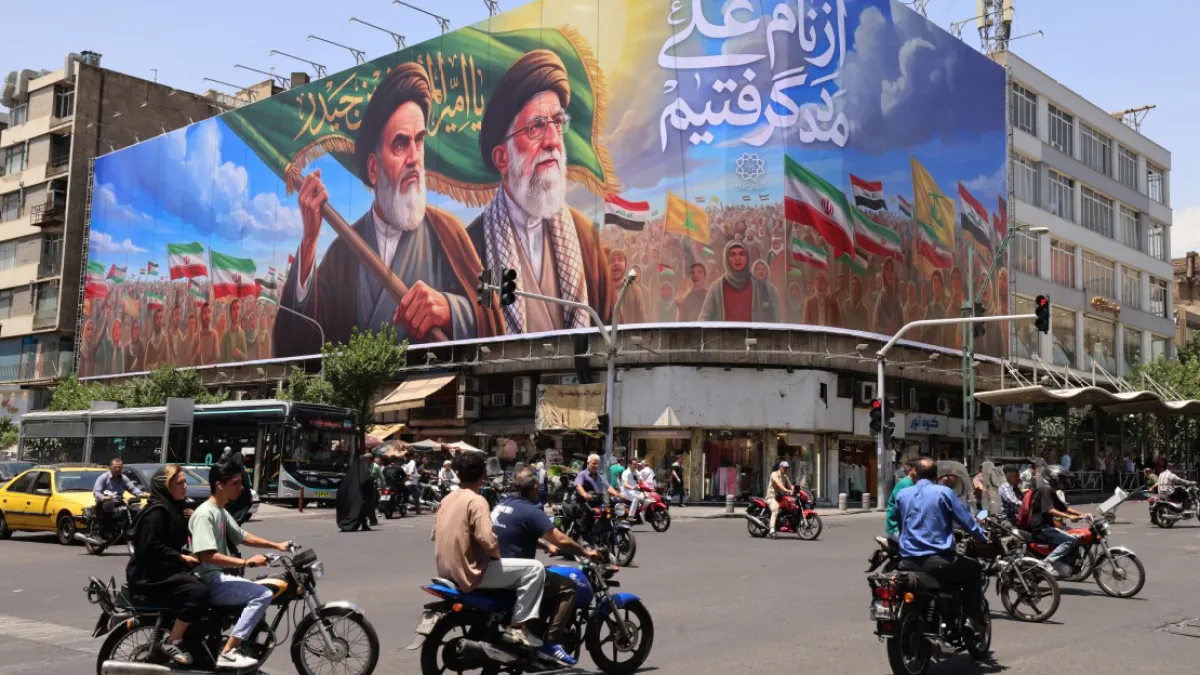
The conflict’s regional dimensions have grown increasingly volatile. Lebanon was drawn into the broader US-Israel war on Iran on March 2, when Hezbollah fired rockets into northern Israel. The killing of Iranian Supreme Leader Ali Khamenei on February 28 had already upended the regional order, and while Washington and Tehran reached a ceasefire on April 8, Israel has shown no intention of halting its Lebanon campaign. Iran and Israel have paused their direct exchanges of fire, but Tehran made clear Monday that this restraint has limits — warning that strikes will resume if Israeli aggression, including in Lebanon, does not stop.
The United States finds itself navigating an increasingly uncomfortable position. President Donald Trump has reportedly warned Israeli Prime Minister Benjamin Netanyahu to "be careful, or you will be on your own very soon," a signal of growing American impatience. Meanwhile, the US military’s Central Command has struck seven vessels since imposing a blockade on Iranian ports in April, including disabling an oil tanker in the Gulf of Oman bound for an Iranian port on Monday.
Israel Lebanon Strikes: Regional Implications
International pressure on Israel is mounting on multiple fronts. A joint statement signed by 18 European nations, Australia, and Japan criticised Israeli laws requiring aid organisations to submit staff lists to the government. Israel’s top court upheld the restrictions, and 37 humanitarian groups — including Oxfam, Save the Children, Doctors Without Borders, and the International Rescue Committee — have been banned for refusing to comply. A United Nations spokesperson warned that Israeli military evacuation directives in southern and eastern Lebanon cannot be safely executed under current conditions, raising fears of further civilian casualties as the offensive shows no sign of abating.
The humanitarian corridor in Tyre, where paramedics were among Monday’s wounded, has become emblematic of the broader crisis: a conflict in which civilian infrastructure, ancient heritage, and medical workers are all caught in the crossfire of a war with no clear end in sight.